
Radioactive wasp nests found near nuclear storage site in South Carolina
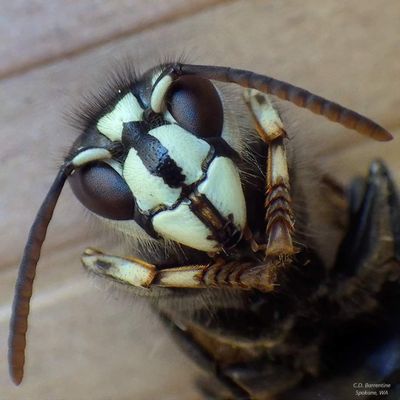
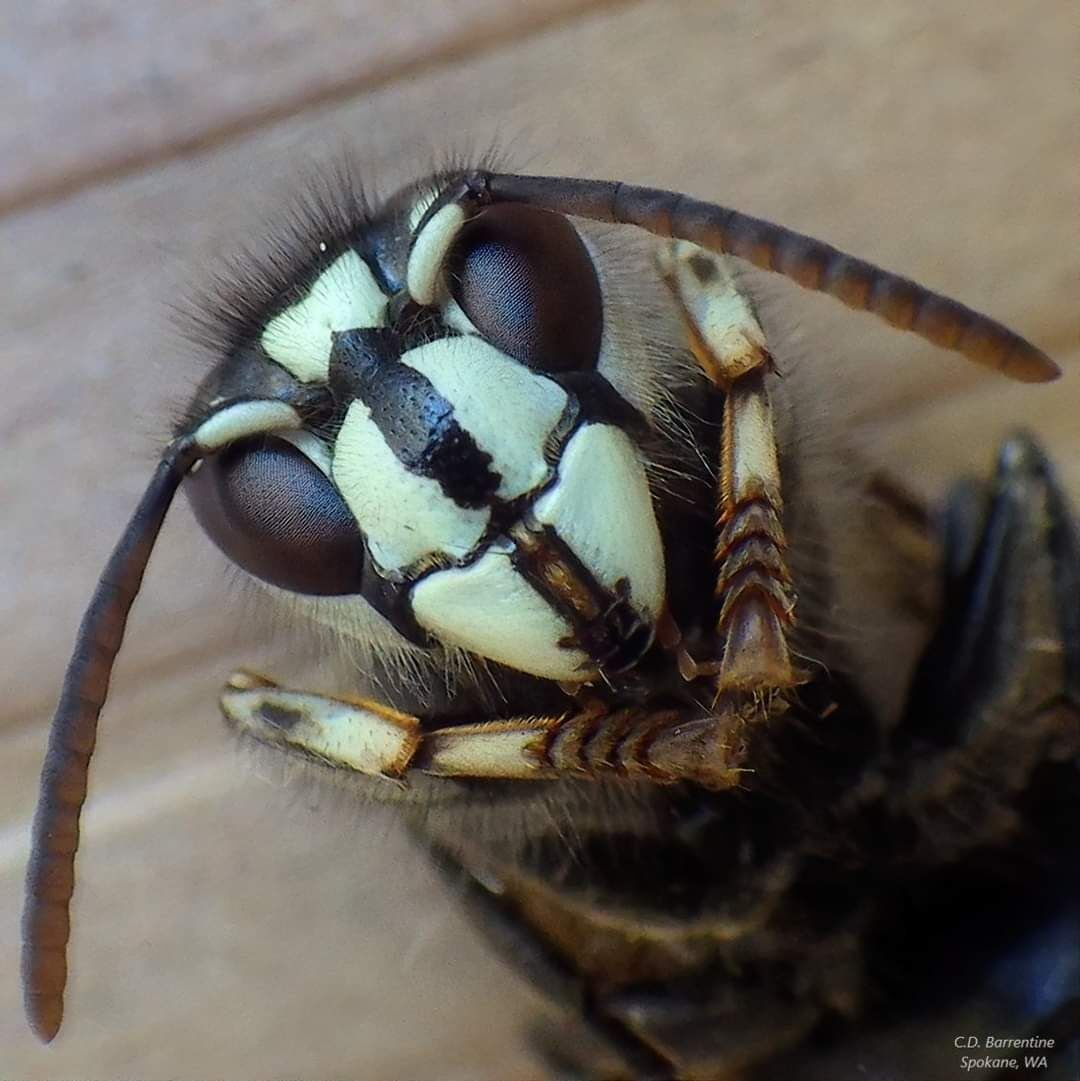
In early July, a wasp nest with a radiation level 10 times what is allowed by federal regulations was found inside the grounds of a sprawling Cold War-era nuclear site in South Carolina that today partly serves as a storage area for radioactive liquid waste.
Federal officials said Friday that at least three more contaminated wasp nests were found within the 310-square-mile Savannah River Site, which encompasses an area more than four times the size of the District of Columbia.
The wasp nests have raised concerns among some locals in South Carolina’s sandhills region, who fear there could be an undetected leak, although federal authorities said that the discoveries were not cause for alarm and experts noted that the discovery of radioactivity in wildlife near nuclear facilities did not necessarily indicate the likelihood of a major leak.
“The biggest question remains is how the wasps were exposed to radiation and does that exposure pathway still exist?” Tom Clements, the director of the watchdog group Savannah River Site Watch, said in an email.
“Ideally, the system would not leak, but much of the waste storage and treatment equipment dates from the 1950s and the entire system, which poses a threat to groundwater, needs to be cleaned up and closed as soon as possible,” he added.
Federal authorities have said the situation remains under control. In a statement sent to reporters, Edwin Deshong, manager of the Savannah River Site’s Office of Environmental Management, said the wasp nests had “very low levels of radioactive contamination” and did not pose health risks to the site’s workers, nearby residents or the environment.
Deshong’s statement did not directly address a July 22 report from the Department of Energy that said the first wasp nest, found July 3 near tanks holding radioactive waste, contained 10 times what is allowed under federal regulations. That report, though, says there was “no impact” from the contaminated nest, and its high radioactivity level was due to “on-site legacy radioactive contamination” rather than “a loss of contamination control.”
Clements expressed frustration over what he described as a lack of transparency from senior federal authorities. “I remain mad as a hornet that DOE is not saying how the wasps got contaminated, if they had any actual waste on them or if there might be some kind of leak from the highly radioactive waste tanks or associated piping,” he said.
The Savannah River Site’s 43 active underground waste tanks have more than 34 million gallons of radioactive liquid waste. The oldest tanks have previously “developed small hairline cracks” that led to small-volume leaks, the Savannah River Site says on its website.
The Savannah River Mission Completion, which manages the Savannah River nuclear site, aims to remove, clean and close the waste tanks.
Kathryn Higley, a professor of nuclear science and engineering at Oregon State University, said that the discovery of the wasp nests was unlikely to pose a public safety hazard.
“It’s a big site,” she said by phone. The contaminated wasps nests are probably more of an annoyance for the technicians who have to take care of them than a hazard to the technicians or the people nearby, Higley added.
Higley, who is also the president of the National Council on Radiation Protection and Measurements chartered by Congress, said it is not surprising that wasps could have made a nest with contaminated sediment because the Savannah River Site is actively engaged in remediation of contaminated groundwater and sediment.
“A small localized hot spot doesn’t present a larger threat to the environment,” she said in an email. “I would expect that they’re trying to figure out the source of the contamination. It may be very subtle.”