
Rubio recasts long-held beliefs with cuts to U.S. human rights reports
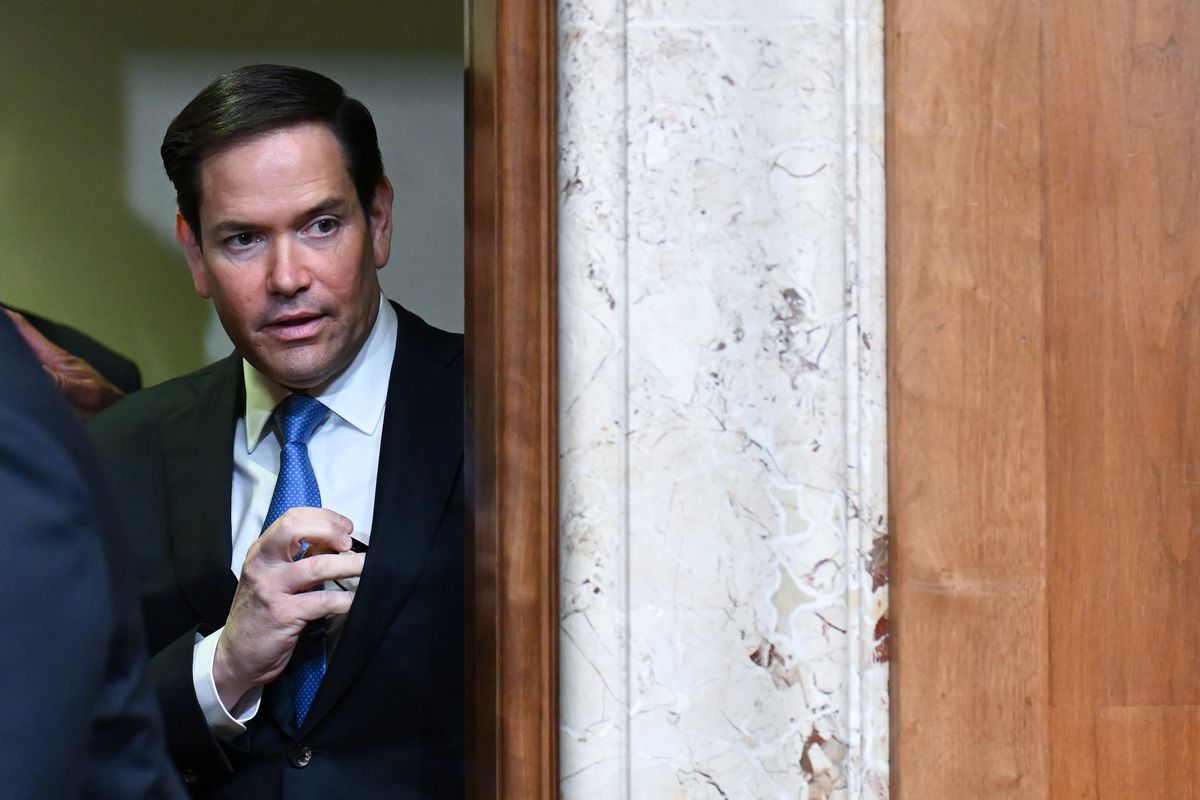
Secretary of State Marco Rubio, a vocal champion of human rights during his 14 years in the Senate, has overseen the most dramatic recasting of Washington’s annual assessment of foreign governments’ transgressions in years, sharply curtailing formal criticism of corruption and abuse around the world in a sweeping realignment of U.S. priorities.
The State Department transmitted its human rights reports to Congress on Tuesday, almost a half-year late, with little of the fanfare that typically accompanies their publication and no personal presentation from Rubio or another senior official, a break with recent history. The reports, which cover 198 countries and territories over the whole of 2024, have seen significant details cut, with many sections removed and country entries often half the length, if not far shorter, compared to previous years.
In the editing, scrutiny of significant human rights violations – to include gender-based violence and the persecution of LGBTQ+ people – has been limited or removed completely in what U.S. officials have said was a bid for “readability” and to ensure the completed reports better complied with statutory guidelines. Critics of Rubio’s approach to the exercise, including some within the State Department itself, say the process has been inappropriately politicized, with Trump administration allies like Israel and El Salvador receiving better treatment while foreign policy foes are harangued.
Brazil and South Africa, two countries that have found themselves at odds with the Trump administration, found themselves under new lines of attack in the reports. The State Department accused Brazil’s left-wing government of “disproportionately suppressing the speech of supporters of former president Jair Bolsonaro,” a key international ally of President Donald Trump accused of attempting to stay in power with a violent coup.
Some of the biggest changes can be seen in the reports for Western Europe, where the Trump administration claimed the human rights situation had gotten worse in 2024. In France, the State Department said, there were “credible reports of serious restrictions on freedom of expression, including enforcement of or threat of criminal or civil laws in order to limit expression; and crimes, violence, or threats of violence motivated by antisemitism,” its report says.
The report for Britain also describes as “two-tier” the country’s enforcement of media laws that it said targeted “ordinary Britons” – echoing language from right-wing leaders like Nigel Farage, an ally of Trump.
Asked about how changes to the report aligned with Rubio’s personal history championing human rights, State Department spokeswoman Tammy Bruce said Tuesday that Rubio “cares about this issue” and that “we’ve seen him in his Senate career, and even in his career in Florida, and now as secretary of State, committed to human rights, every day.”
Bruce also said that more changes may be coming to the report next year, stating that she expected the 2025 human rights reports to have “a much more distinctive and clear framework of what matters to the Trump administration.”
A senior State Department official, briefing members of the news media last week, said the Trump administration had “made very clear that human rights are central to the United States government’s foreign policy” but that there was a new focus in some areas, with freedom of expression and “unlawful surveillance and restrictive laws against disfavored voices” areas of increased concern. This official spoke on the condition of anonymity under ground rules set by the department.
Critics of the Trump administration say the State Department is using the human rights reports as a political tool, emphasizing free speech issues that mostly impacted far-right allies in Europe and Latin America while downplaying serious reports of torture and abuse in partner countries like El Salvador, where the State Department said there were “no credible reports of significant human rights abuses.”
The Trump administration reached an agreement with El Salvador to incarcerate migrants deported from the U.S., even though the State Department’s previous report for El Salvador, documenting 2023, identified “significant human rights issues” in the country, including “harsh and life-threatening prison conditions.” Several Venezuelans whom the Trump administration sent to a Salvadoran prison this year later said they faced repeated beatings.
Some former Republican foreign policy officials expressed concern that such shifts could signal inconsistencies in what are supposed to be core American values. “Every administration may have some rights that they want to emphasize or de-emphasize, but it’s important that there be a generally consistent basis for assessing countries every year to gauge their progress or regression on human rights,” said David J. Kramer, who served as assistant secretary of state for democracy, human rights and labor in the George W. Bush administration.
The report should “neither sugarcoat problems nor overstate concerns in other countries, but it also should not be shy in calling out the repression of human rights in truly authoritarian places like Russia, China, Iran, North Korea, Afghanistan and Venezuela, among others,” Kramer said. While the human rights reports describe abuses in all these nations, the level of detail has been reduced.
Others noted that the Trump administration has been criticized on freedom of speech issues, with Rubio personally signing off on a visa revocation directive for foreigners who had engaged in protests or activism related to the Israel-Gaza war.
“Attacking democratic U.S. allies for so-called free speech violations while seeking to imprison law-abiding college students at home for peaceful expression against U.S. foreign policy exemplify this administration’s destructive and hypocritical approach to human rights,” said Uzra Zeya, a top official for human rights at the State Department during the Biden administration who now leads the Human Rights First nonprofit.
The muted release of the reports – while Congress is in recess – is notable, especially as Rubio made a point of highlighting the importance of the reports during his years as a Republican senator from Florida, when he served on the Senate Foreign Relations Committee.
In 2012, he issued a statement arguing that “the world has been a better place (for two centuries) because America has strived to defend these fundamental human rights both at home and abroad.”
“The State Department’s annual human rights report sheds light on foreign governments’ failure to respect their citizens’ fundamental rights,” he said in that statement, adding that it was important for the world to know that “the United States will stand with freedom-seeking people around the world and will not tolerate violations against their rights.”
Rubio publicly broke with the State Department during the first Trump administration, criticizing then-Secretary of State Rex Tillerson for not presenting the 2016 reports to Congress in person. “For 1st time in a long time @StateDept #humanrights report will not be presented by Secretary of State. I hope they reconsider,” he wrote on Twitter, now known as X, in March 2017.
Rubio’s former Senate colleagues voted unanimously to approve his nomination to the post, with all Democrats voting in support of a Republican whom many viewed then as a potential moderating force on a president with little regard for Washington’s foreign policy establishment. “I believe you have the skills and are well qualified to serve as secretary of state,” the ranking Democrat on the Senate Foreign Relations Committee, New Hampshire Sen. Jeanne Shaheen , said during opening remarks at his confirmation ceremony.
Since then, some of the secretary’s former colleagues on the Senate Foreign Relations Committee have become his sternest critics. Shaheen said that this year’s human rights reports were “a shell of previous year’s reports and stripped of critical information about serious human rights abuses around the world.”
“These reports are required by law to ensure American taxpayer dollars do not support autocrats who violate the rights of their citizens,” Shaheen said.
Idaho Sen. James E. Risch , the committee’s Republican majority leader, praised the new reports in a statement, describing them as “easier to read” and more accurately reflecting “recognized human rights reporting.” Risch, who worked with Rubio on the committee for many years, said that “the protection and promotion of internationally recognized human rights” had been one of their shared commitments and he was glad Rubio was continuing this “vital work.”
U.S. diplomats have compiled the State Department’s annual human rights reports for almost 50 years. Their findings are considered the most thorough of their kind and are routinely relied upon by courts inside and outside the United States.
As the Washington Post previously reported, internal guidance circulated earlier this year instructed diplomats responsible for drafting reports to remove references to numerous potential human rights violations, including governments that deported people to a country where they could face torture, crimes that involve violence against LGBTQ+ people and government corruption. The directive was met with resistance from some staff.
Human rights advocates who closely track the annual reports also have expressed disappointment at the changes Rubio has made.
“Secretary Rubio knows full well from his time in the Senate how vital these reports are in informing policy decision and shaping diplomatic conversations, yet he has made the dangerous and shortsighted decision to put out a truncated version that doesn’t tell the whole story of human rights violations,” said Amanda Klasing, director of advocacy at Amnesty International USA.
The scale-back of the 2024 human rights reports comes as Rubio has led several major changes at the State Department, including a reorganization that he said was designed to remove an ingrained “radical political ideology,” and which closed some offices related to human rights programs and others focused on war crimes and democracy.
The State Department laid off roughly 1,300 U.S.-based employees in July as part of the reorganization, with offices from the bureau that traditionally helped draft and refine the human rights reports – the Bureau of Democracy, Human Rights, and Labor – among those that faced the biggest staffing losses.
Current and former U.S. officials have said subject matter experts at the State Department were sidelined when the reports were being written, with political appointees with little-to-no government experience often playing a leading role.