
‘A miracle will be the only thing to save him’: Spokane immigrant who fled persecution in Nicaragua running out of options to stay in U.S.
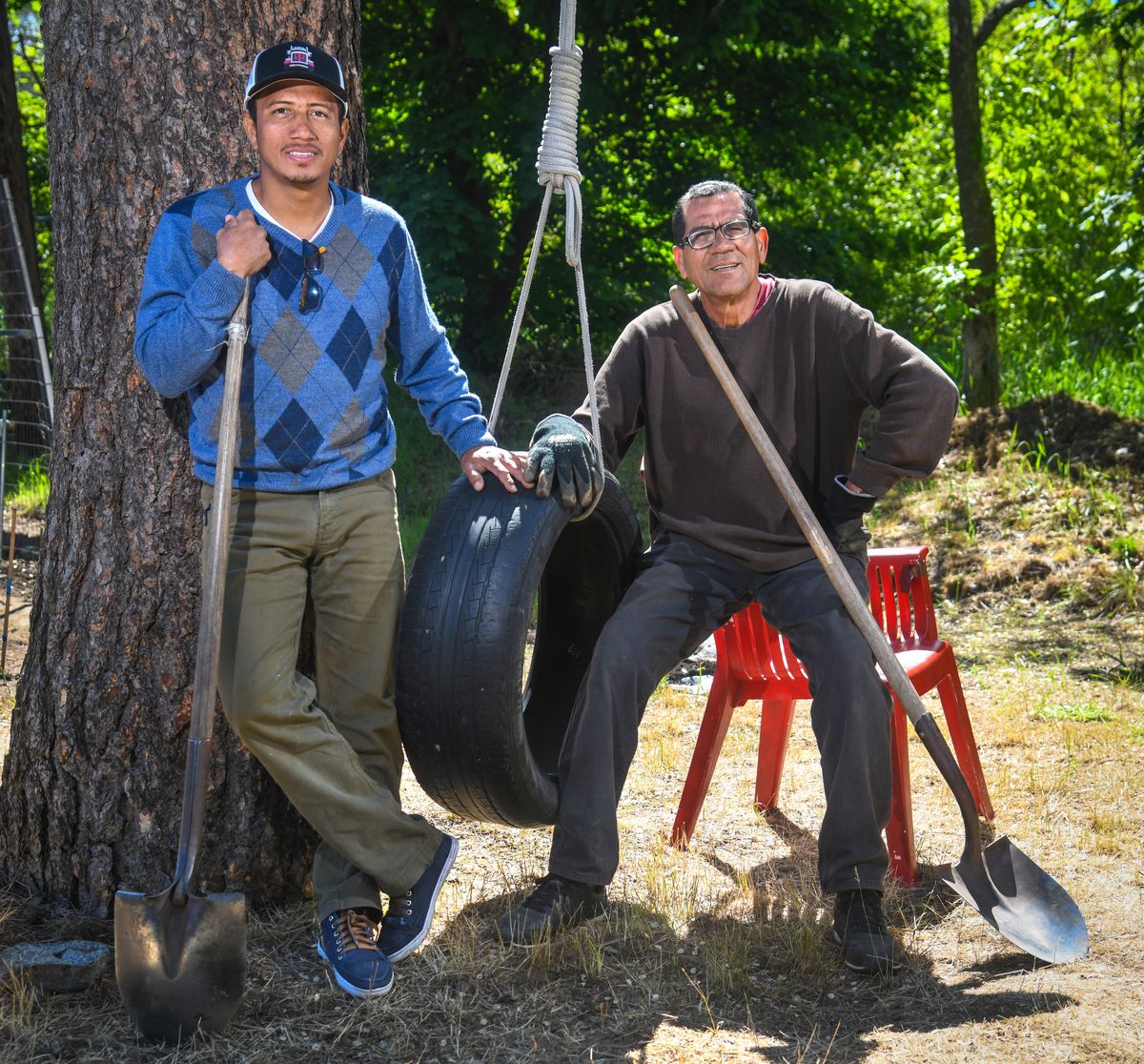
As Spokane immigrant Alberto Lovo Rojas sits in Tacoma’s Northwest Immigration Detention Center, there are times when he will laugh with his friends who can only visit him through a window.
Other times, his friend Jim Larson says, he will ask, “What did I do so wrong to be punished this way?”
Rojas, 41, has told him there are times he and other immigrants won’t receive their dinner until midnight. People continued to be brought in to the center, sick and coughing, and getting other people sick, Larson said. Rojas also spoke of a time he was kept inside the detention walls for so long he was starting to become depressed.
But most recently, Rojas – a staunch Catholic – asked Larson to bring him a Bible. Larson did show up with one and was promptly told by front desk staff those were no longer allowed.
And his wife, Dora Morales Díaz, has spent months agonizing about the thought of him there.
“I have gone on three occasions to see my husband,” Morales Díaz told The Spokesman-Review. “It breaks my heart seeing everybody there, crying.”
Rojas, a local mechanic with three young children and no criminal record, was arrested by U.S. Immigration and Customs Enforcement in February after a haircut.
His plea to federal immigration courts to let him stay in the U.S. out of fear for his safety has consistently been denied due to filing paperwork late, even though his story has stayed the same: His uncle was shot and injured, and they witnessed a young boy be shot in the head and killed during a protest in Nicaragua in 2019. Rojas, like some of his family, was outspoken enough against the Nicaraguan government that it put a target on him, his home and other loved ones.
Through numerous trials and tribulations, Rojas was able to obtain a legal work permit to live in Spokane with his family. And he did so quietly, playing soccer, going to church – until President Donald Trump made good on his promises to carry out mass deportations of immigrants. Rojas, like many other immigrants with no criminal record, was swept up in the waves of ICE arrests.
After his arrest, Rojas asked the Board of Immigration Appeals to reopen his denied asylum request from 2021. The board denied his most recent request to reopen his asylum case on Aug. 4, effectively lifting a stay of removal that would have kept him temporarily safe from deportation.
“Alberto called me while I was at the grocery store, and he asked me if I was home and not to get nervous. He told me that they denied the motion,” Díaz said.
It left her at a loss for words.
The Board of Immigration Appeals called his motion to reopen his asylum request “untimely,” due to the prior paperwork deadline from 2021. But they also decided not enough risk is present in Nicaragua to justify reopening his case, despite Rojas’ update that his mother’s farm was illegally seized by the government in 2024 as retaliation for being outspoken against the government. The government is known to illegally seize property from political activists, according to a 2018 U.S. Department of State report.
“While we are sympathetic to the alleged threats and harm the respondent and his family have recently experienced, the respondent has not shown this was part of a larger material change in country conditions since 2019,” the board wrote in the denial. As decided in a 2018 appeal case, respondents must show the conditions of the country they fled from would affect them in a significantly different way than when they left it.
But to Díaz, that doesn’t change her husband’s circumstances – he came to find safety, “not to get rich.”
“We left Nicaragua because we didn’t have freedom of speech and felt restricted on how we were living. Here, it’s starting to feel the same way … Apart from being immigrants, we are also human beings, hoping to find a better life,” she said. “He said he would rather be in the detention center because he knows he can call us. But if he gets deported, we don’t know if we will get the opportunity … We still don’t know where he is going to go.”
Rojas’s options are slim, although he could seek a more difficult appeal to a higher court or petition a final removal order within 30 days of a judge’s decision. After that, there appear to be no options left – the U.S. Supreme Court does not take up cases based on facts, only rules that are perceived to have been misapplied.
Meanwhile, the couple’s children continually ask when their father is coming back. Díaz has to tell them “not to get their hopes up.”
“At this point, what can I say,” she said. “I feel like a miracle will be the only thing to save him.”