
‘We step in to fill those gaps in knowledge:’ $2.1 million donation funds program to help first-generation EWU students
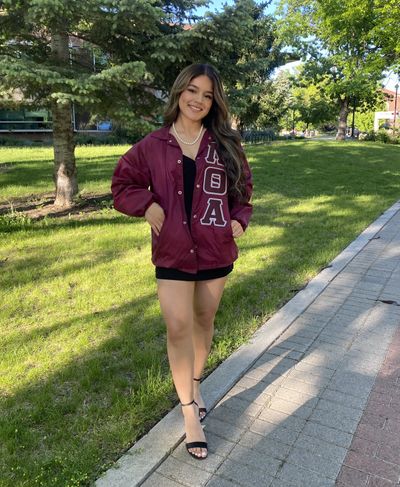
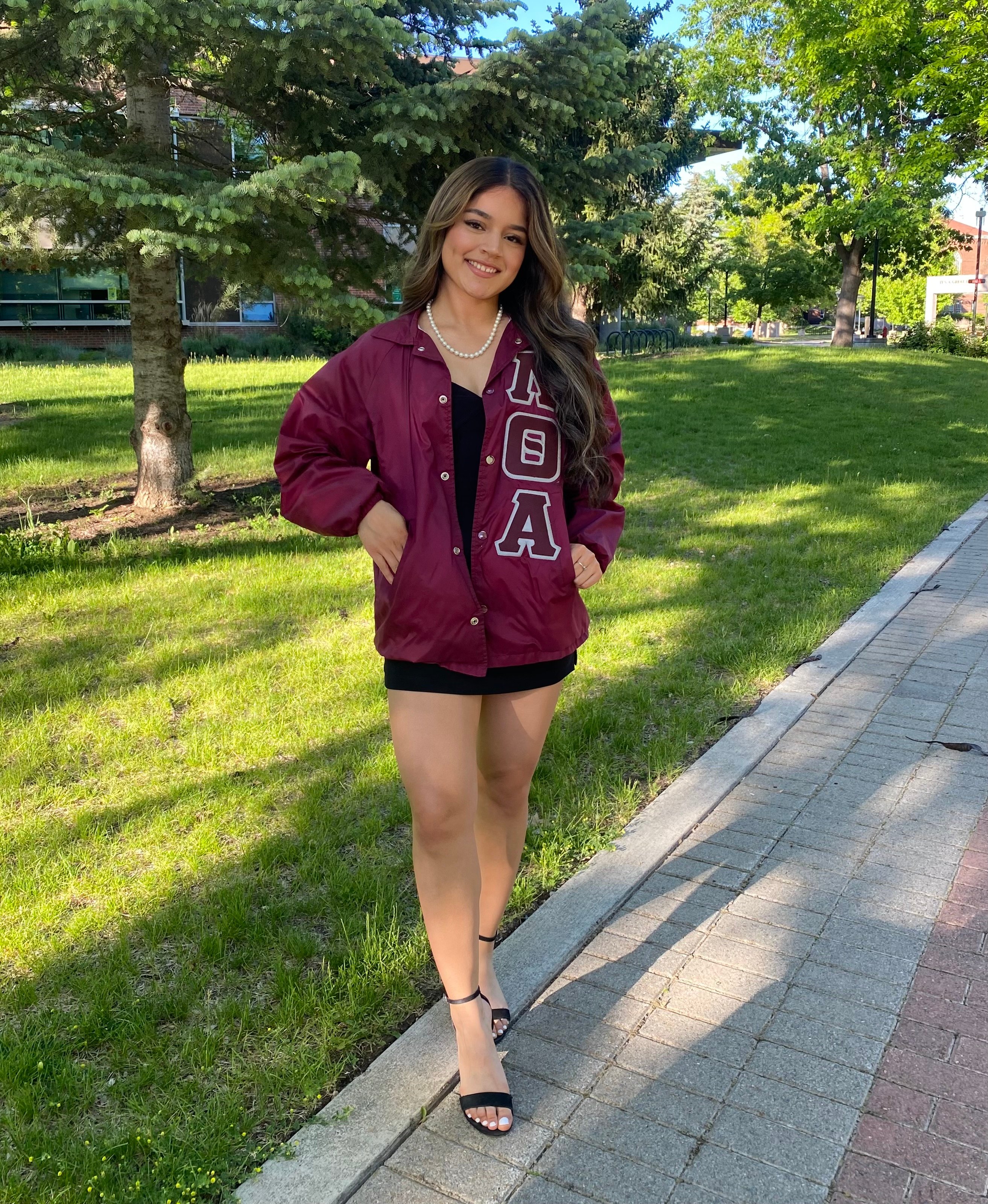
A first-generation college student from the small agricultural town of Benton City, Kasey Sigaran entered an unfamiliar world when she enrolled at Eastern Washington University.
Among the challenges was the application for financial aid, with which Sigaran said she “had a lot of issues.” So, when it came time to reapply, she sought help from Rocio Rangel, director of the university’s College Assistance Migrant Program.
“I remember I came in super scared, and I talked to Rocio, and we did it in, like, 15 minutes,” Sigaran said. “So that was such a great relief, because I never thought I could experience it like that, but she made everything very easy.”
The assistance applying for financial aid is just one of the ways the program has helped Sigaran navigate college life in Cheney. Between scholarships, job opportunities and registering for classes, the program helps first-generation students with tasks to which often struggle to adapt because of the lack of college experience in their families.
As Sigaran struggled to pick her major, a program adviser helped her enroll in prerequisites that fit the business, education and psychology majors she was considering at the time.
“So just little things like that, they were always very patient,” Sigaran said.
And she’s not alone.
Since CAMP launched at Eastern Washington University in 2020, many first-generation students have received help through the program.
To be eligible, a student must come from a migrant or seasonal farmworker family. In the program, students have access to financial stipends, mentoring and an adviser, among other help. The goal, Rangel said, is to ensure students have a solid foundation for their college careers.
“They don’t have generational parents who have gone to college,” Rangel said. “So we step in to fill those gaps in knowledge and also support them and create a sense of belonging to make sure that they feel comfortable in their decision to go to college and see themselves as graduates of college, because that’s super important.”
The university’s 2025 graduating class included 37 students who participated in the program. A former participant in the program at St. Edward’s University in Texas herself, Rangel knows firsthand the impact it can have.
“They were the reason I knew I belonged there,” Rangel said. “And so, I really appreciated that they could fill that gap and take away some of the mystical qualities of why everyone else seemed to know what college was and I just didn’t.”
While the program has received federal funding since it launched, a delay left Rangel to wonder this spring whether CAMP could continue. Wenatchee Valley College, which previously operated CAMP, announced in July it had suspended its program over a lack of federal money.
While the university has not received a formal notice that funding for the program was canceled, Rangel said the delay left them “in limbo.”
So, a $2.1 million donation from the Krumble Foundation to fund the program for five years “could not have come at a better time,” Rangel said. The money, Rangel said, will allow the program to operate at the same level it did with federal funds.
“This level of support was instrumental in us being able to continue our program and continue serving our students,” Rangel said.
After helping Eastern Washington University for six years, Burke Blevins, the foundation’s vice president, said CAMP was a “very compelling and natural program for us to get behind.”
“For our region to be economically viable, we need an institution that provides a high-quality education at as reasonable costs as possible in this day in age, and that’s why Eastern is really essential to the Spokane region,” Blevins said. “And this is a program that’s aimed at the kind of people that really drive our economy, those people who are going to college, the first generation in their family, and making socioeconomic movements for generations to come.”
While the Krumble Foundation has supported a variety of programs at Eastern, CAMP stood out. One of the strongest factors in student success, Blevins said, is a strong relationship with an adviser, something Rangel has worked to develop with each of the students in the program.
“We’ve talked to a lot of really wonderful and motivated administrators and faculty people, but Rocio is just somebody special,” Blevins said. “And it’s easy to get behind her.”
As of this week, the program has a full class of 40 students for the upcoming school year. Entering her senior year, Sigaran now volunteers and helps the program’s newest cohort adapt to college.
Sigaran, who majored in social work, is deciding whether to enroll in grad school or pursue a career helping migrant families navigate the health care system. As she prepares to graduate this spring, she credits the CAMP program with easing her transition to college.
“They really try to make sure that you are aware of all of the resources there are available for you, as well as a ‘Not have to do it on your own’ type of thing,” Sigaran said. “They were kind of like the ones that help bring them to you, which is something that most of us don’t have in our first year.”