
Leaders of VA health record program tell lawmakers system is on track to expand in 2026

WASHINGTON – The leaders responsible for a troubled Department of Veterans Affairs computer system told House lawmakers on Monday the program is on track to expand to more than a dozen new hospitals in 2026, following a long delay due to problems that emerged after the system was first deployed at Spokane’s VA hospital five years ago.
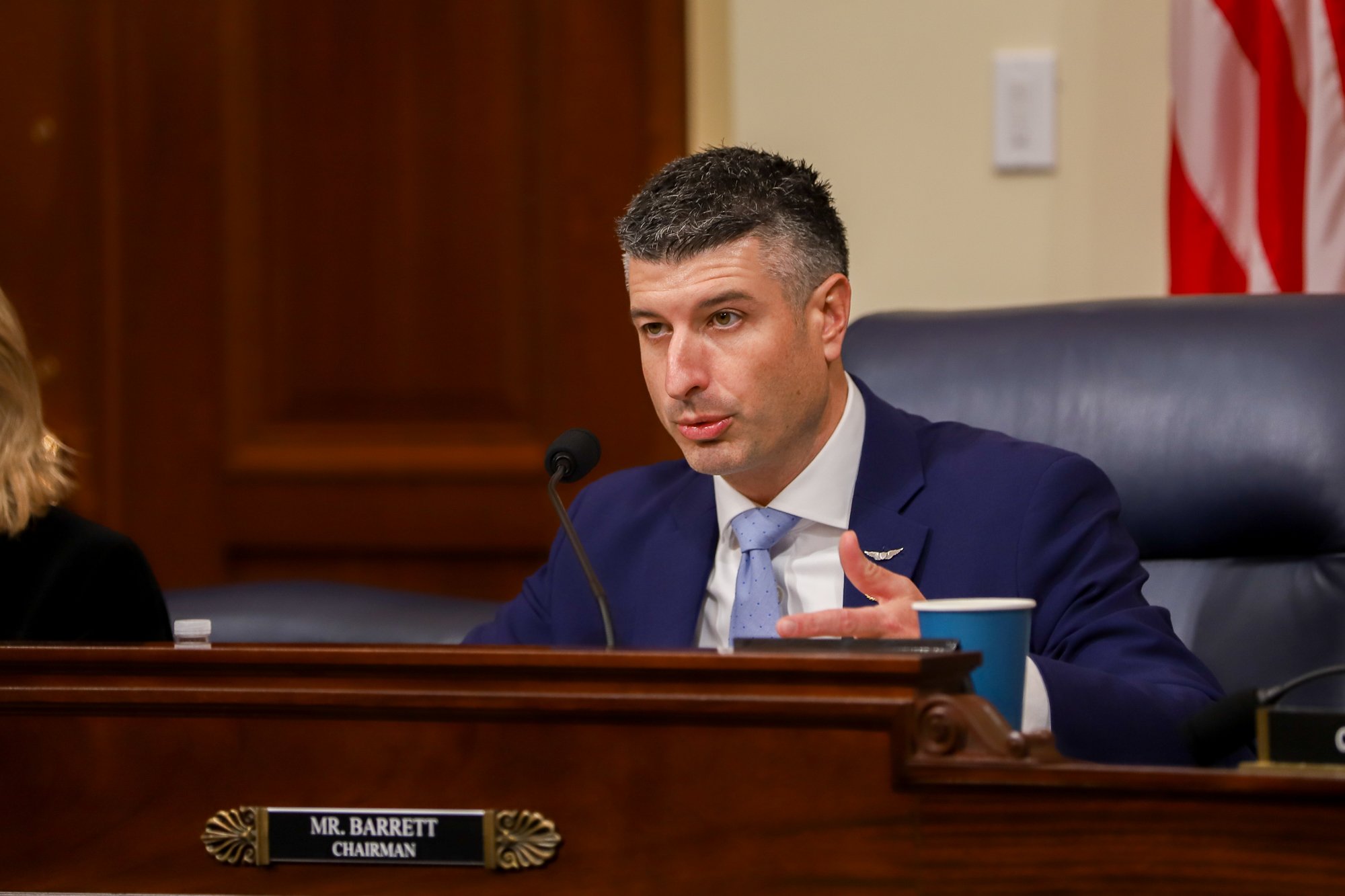
Rep. Tom Barrett, a Michigan Republican who chairs the House VA Subcommittee on Technology Modernization, said the hearing came at a “pivotal moment” with the electronic health record system set to launch at four hospitals in his home state in April. The system – now developed by Oracle after the tech giant acquired the original contractor, Cerner – is scheduled to launch at 13 hospitals and dozens of clinics in 2026, a dramatic acceleration after a nearly three-year “reset” period prompted by dangerous errors.
“The timeline is locked in, the countdown is on and one question remains,” Barrett said. “When the switch flips in April, will this system deliver? For millions of veterans relying on VA hospitals, and staff supporting them, this is not theoretical. It is real, it is happening and it must go right.”
Neil Evans, the executive director of the office in charge of the VA’s Electronic Health Record Modernization program, told the panel the department had made “significant progress” in improving the system since the previous hearing in February. He touted improvements in a twice-yearly survey of the system’s users – their satisfaction has risen from 7% to 33%, he said – and said it is on track to be used at all 170 VA hospitals by the end of 2031.
“Ultimately, our goal is to deliver an EHR system that earns the trust of veterans, clinicians and staff,” Evans said, using the acronym for electronic health record. “That means a system that works efficiently, enhances care coordination, reduces administrative burden and improves health outcomes.”
A recent investigation by The Spokesman-Review and Washington Post found that the system is still beset by problems that hamper patient care at the facilities where it’s currently in use in Washington, Idaho, Oregon, Montana and Ohio. The system played a role in more than 4,600 cases of patient harm, including six deaths, at those facilities as of Aug. 1, according to internal VA data obtained through a Freedom of Information Act request.
Rep. Nikki Budzinski of Illinois, the top Democrat on the subcommittee, cited that reporting and raised concerns about the rapid acceleration of the program before the problems have been fully resolved.
“What I have heard in the past year has not convinced me that VA is ready to launch at 13 facilities in 2026,” she said. “I worry that we are spending billions of dollars while simultaneously setting this program – particularly the six sites that are already live – up for failure.”
Seema Verma, executive vice president and general manager of Oracle Health and Life Sciences, told the panel that Oracle and the VA are “fully aligned” and that “overall system performance is strong,” with more than 95% of each of the past 21 months “incident free.”
“We feel very well prepared to deal with the expansions,” said Verma, who served as administrator of the Centers for Medicare and Medicaid Services in the first Trump administration, when Budzinski raised concerns about the pace of the planned rollout.
Carol Harris, a director of the IT division at the nonpartisan Government Accountability Office, testified about the results of a report published Monday that found VA had yet to fully implement 16 of the 18 recommendations GAO had made about the electronic health record program. Budzinski said the VA provided the subcommittee in September with an updated cost estimate for the program – $37.2 billion, which exceeds the previous estimate of nearly $33 billion the VA commissioned from the Institute for Defense Analyses in 2022.
Harris voiced concern that the VA doesn’t plan to conduct a comprehensive, independent assessment to determine if the system is suitable before launching it in Michigan. Without such an assessment, she said, “The department increases the risk of deploying the system prematurely, thereby posing unnecessary risk to patient health and safety.”
Barrett, an Army veteran, noted that he receives his own health care from some of the VA facilities that are next up to adopt the system, putting him in an unusual position as a lawmaker charged with oversight of a program that affects him directly. The freshman Republican brought in additional expertise on the program when he hired his chief of staff, Kyle VonEnde, who served in the same role to former Rep. Cathy McMorris Rodgers, R-Spokane, until her retirement at the end of 2024.
Budzinski recently became the top Democrat on the subcommittee after her predecessor, Rep. Sheila Cherfilus-McCormick of Florida, was indicted in November on federal charges of using federal disaster funds to finance her campaign. Budzinski represents an Illinois district near VA hospitals in Indiana that are scheduled to adopt the system later in 2026.
The only other lawmaker who attended the hearing and asked questions of the witnesses was Rep. Morgan Luttrell, R-Texas, a Navy veteran who asked about the cost of maintaining the system once it is deployed to all of the VA’s nearly 1,400 facilities. Evans said that while the VA hadn’t produced an official estimate, the final year of implementation is expected to cost about $2.1 billion in sustainment costs alone.