
Gardening: Now’s the time to divide and transplant bearded iris

While July gardening chores revolve around watering, weeding, deadheading and helping plants through the heat, those chores might include transplanting bearded iris and watching for powdery mildew on maples.
Our iris put on an exceptional show in early June. Between then and the last half of July, the rhizomes have been storing up energy for next spring’s blooms. Iris bloom best when they aren’t crowded together and now is the time to divide crowded clumps to stimulate new growth.
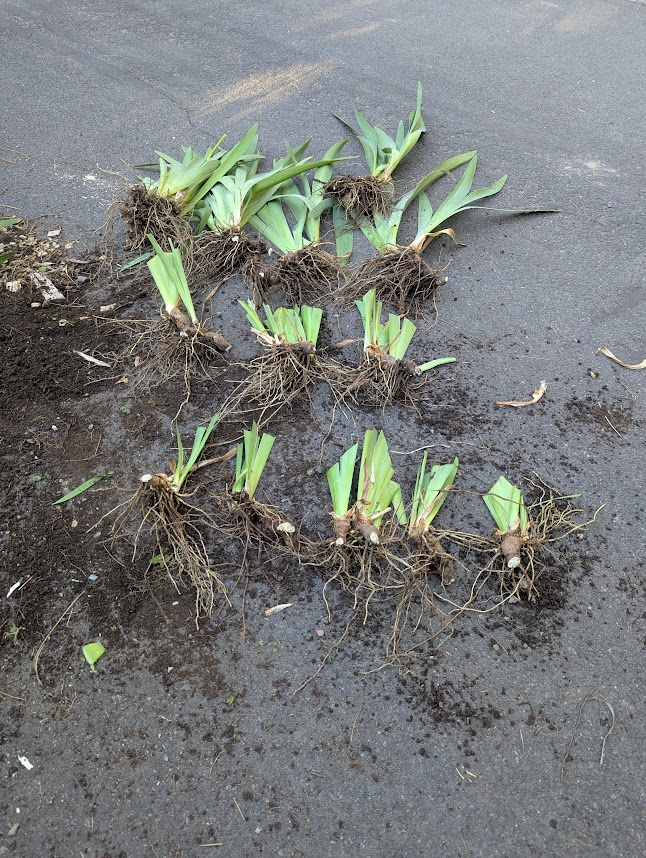
Start by inserting a pitchfork or shovel into the ground 6 inches from the clump. Work your way around the clump, gently prying up the roots. Continue to pry until you work the clump loose from the ground. Shake the excess dirt off and gently break or pull the clump into smaller pieces. Discard the dark brown old roots. Each new rhizome section should be about 6 inches long with a healthy set of leaves attached. Trim the leaves down by half to reduce moisture loss and set the rhizomes in a shady spot for three to four days to allow any breaks to callus over.
Replant the rhizomes about 10 inches apart in good garden soil in full sun. Spread out the rootlets from the clump onto the surface of the soil and then cover the entire rhizome with soil leaving the top of the rhizome exposed. Water in the new planting and mulch the soil lightly to reduce water loss. Do not fertilize until the following spring.
The Spokane County Master Gardeners have been receiving a lot of calls on powdery mildew on maples in the past few weeks. Sadly, there is not much a homeowner can easily do to prevent this fungus once it shows up.
According to Kris Hendron of the Master Gardener Plant Clinic, it is a problem we’ve seen for the past few years. The trees may look ugly, but mildew rarely kills them outright. The white powdery coating on the leaves is the mycelia or roots of the fungus.
The fungus travels on the wind, making it impossible to isolate. It generally takes root when we have hot days followed by cool nights as we did earlier in May.
There are fungicides on the market for it, but they need to be applied before the mildew shows up. This might work for small trees, but spraying bigger ones is expensive and probably not worth the cost. Hendron said the best thing you can do is to rake up the leaves in the fall and send them out in the trash to remove overwintering spores. This breaks up the natural life cycle of the fungus.
With all the warm weather we’ve had since early May, I’ve noticed that garlic is getting ripe early this year. Garlic is ready to harvest when half the leaves have turned brown. Gently dig the bulbs out, bunch them together and hang them in a dry shaded spot to dry for a month. Proper drying will increase storage life.