
Then and Now: Spokane Grand Prix
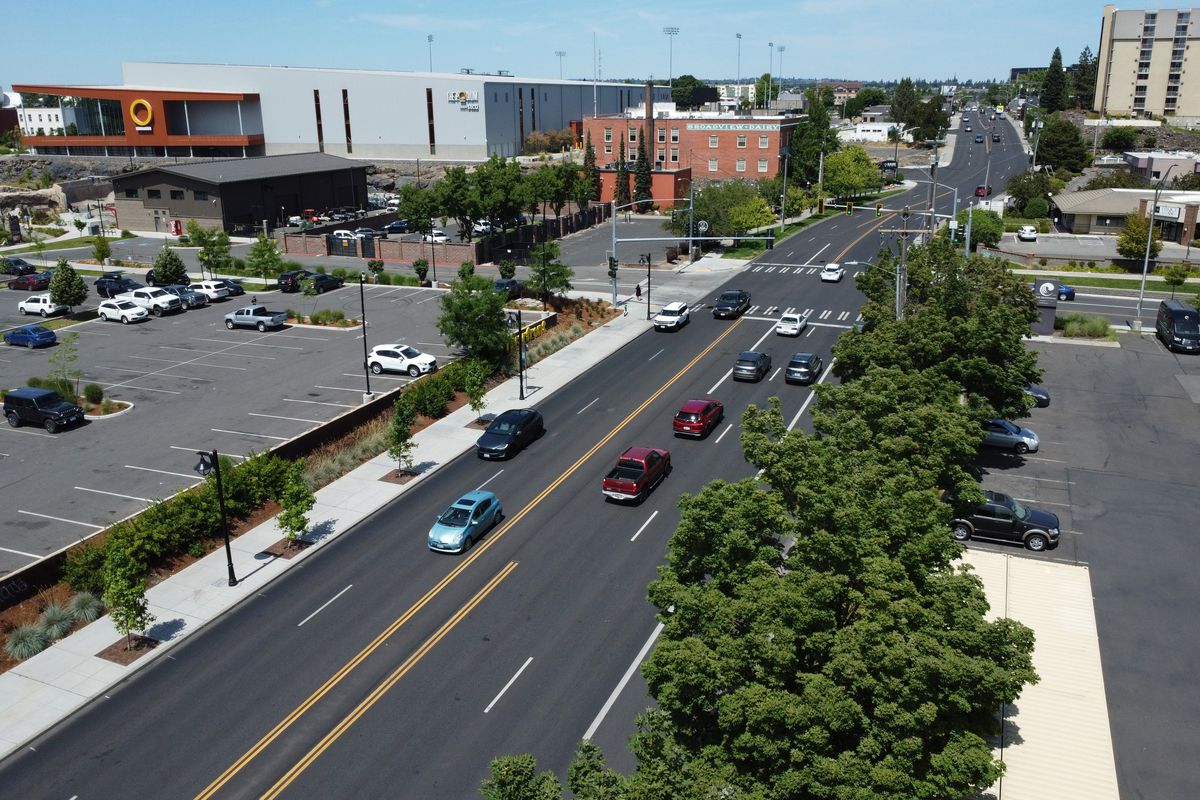
Spokane spent two years trying to turn the town’s love of cars into an ongoing event around the Fourth of July. Ultimately, it cost too much and struggled to generate enough interest or profit to keep going.
In 1986, Spokane City Council member Jack Hebner suggested a road race through downtown as a way to expand Neighbor Days, a local festival surrounding the Fourth of July holiday. The annual festival was 10 years old at the time and previously sponsored by KREM-TV.
It would require a large volunteer group, major and minor commercial sponsors, a racing management partner, vendors to pave the streets and line them with concrete barriers and, hopefully, a broadcast TV contract.
B&B Distributors and Budweiser, along with several other businesses signed on as sponsors. Motor Racing Management of Parker, Colorado, was hired for consulting.
Among the prominent organizers were advertising executive Chuck Robey; racing enthusiast Mel Nordhagen; marketing director Teri Little, mother of NASCAR driver Chad Little; and others with financial and management experience.
In April 1987, the City Council approved the idea and provided $220,000 for repaving the streets. In June, the Grand Prix group took out a $250,000 loan to put on the race.
The 1.6-mile track around Riverfront Park wasn’t ready for July 3 practice, but it opened on July 4 for warmups. But then, the holiday races were canceled due to rain. Races, with both stock cars and open-wheel Indy cars, were eventually completed the next day, but the event left behind thousands of dollars in unpaid debts to vendors and the city.
Despite the losses, the Grand Prix board called it a success that showed promise for another try in 1988.
The city authorized another race in 1988 on the condition that organizers pay back money owed to the city. Schuck’s Auto Supply became a major sponsor, brightening the outlook for breaking even.
About 14,000 tickets were sold in 1987 and about 17,000 in 1988.
The event drew good crowds but the miles of barriers and fencing frustrated local retail businesses. And the mounting debts ended the Grand Prix for good.
“It wasn’t a total disaster,” said Robey. “We provided some entertainment and got people thinking about doing other things downtown.”
A year later, in 1989, Hoopfest held its first 3-on-3 basketball tournament.