
Gardening: Blooms that stand up to the late-summer heat
Tomorrow will be Aug. 1 which means we will be down to the last month of summer. Our spring gardens were gorgeous but as happens every year, their blooms have faded in the heat. With their fading comes a smaller choice of colorful flowers to fill the garden through the rest of the summer. Here are a few of my favorite late summer flowers.
Monarda, otherwise known as bee balm or bergamot, is native to much of North America in different forms. In its native state, it sports red-hued flowers, but hybridizers have developed plants that bloom in shades of light pink, dark pink, rose-red and dark red. It is a hummingbird and bee magnet through the late summer. Monarda ranges in height from a diminutive 12 inches to over 4 feet. It does best in well irrigated, moisture-retentive, compost-enriched loam or clay-loam soils in full sun. Select mildew resistant varieties as it is prone to the fungus.
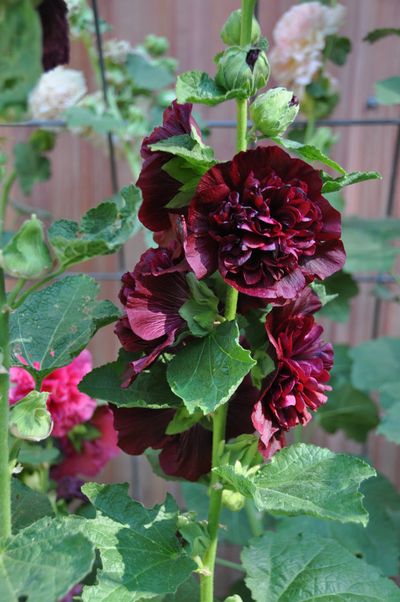
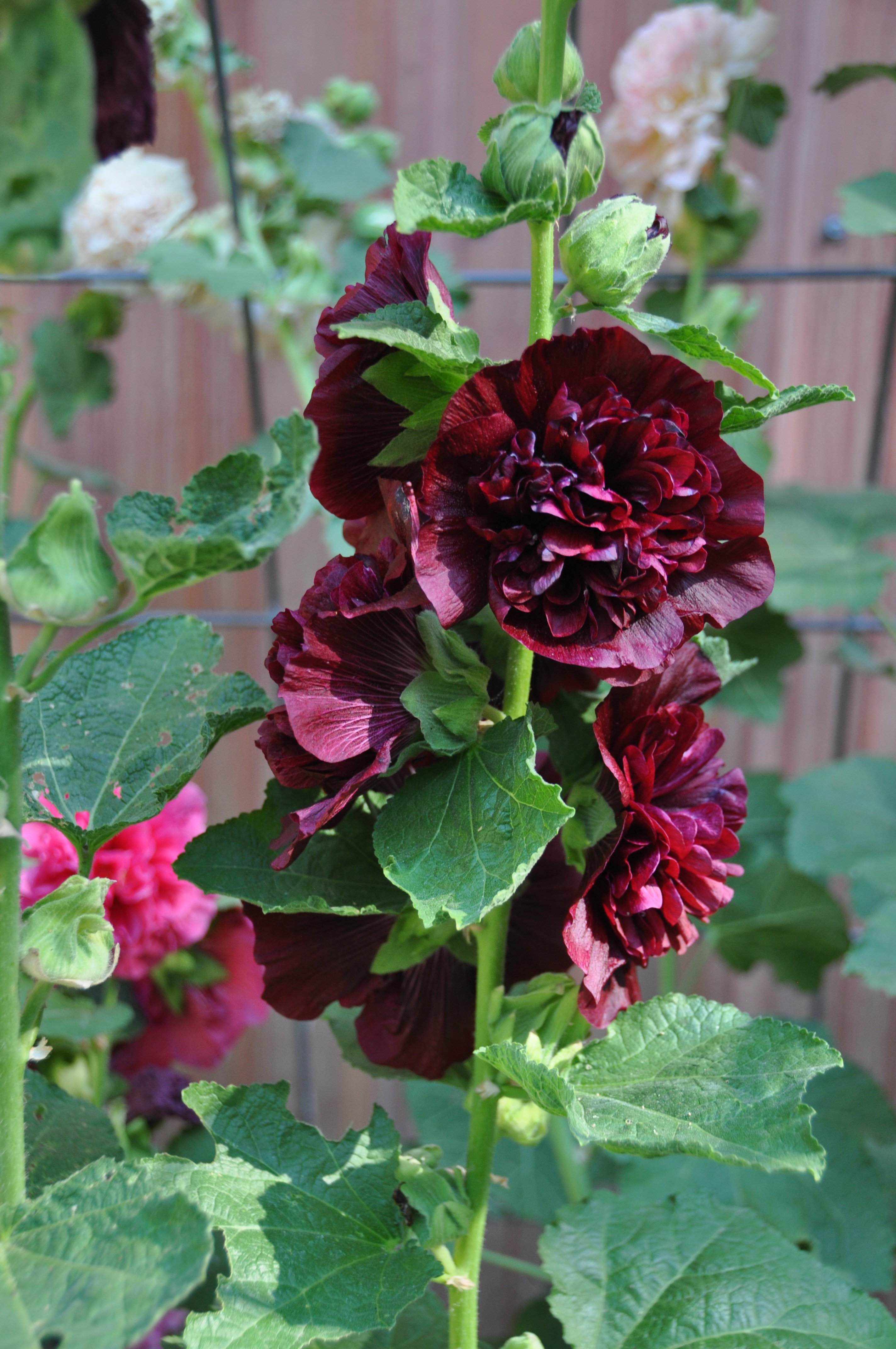
Hollyhocks are biennials that grow a low growing clump of leaves the first year and then shoot up 6-foot stalks that are covered with ruffled flowers in shades of white, pink, red, yellow and nearly black-burgundy. They prefer moist, well-drained soil and full to partial afternoon shade. Deadhead old flowers to promote more blooms. The plants readily self-seed if seed heads left on the plant. Be aware, the deer think they are a sweet treat.
Russian sage or perovskia is a drought tolerant pollinator magnet. Not a true sage, the plant produces clouds of blue flowers on stiff, upright stems that add architectural interest to a garden. This is the perfect plant for those sunny, hot dry places that the sprinklers hit lightly. There are many cultivars of this plant that range from a foot to 4 feet tall.
Lilies are often considered the queens of the late summer garden. Planted as hardy bulbs in the fall, they will grow to as much as 6 feet tall in a kaleidoscope of colors and a heavenly scent that perfumes the summer evening’s air. They prefer well-drained soil and full sun with some dappled late afternoon shade in our climate. Because they are tall, stake them to keep them from blowing over in the wind. Water regularly but don’t overwater to prevent bulb rot. Another deer favorite.
Coneflowers and black-eyed Susans are both native to the Midwest plains. Members of the aster family, they are both characterized by daisy-like petals with a large central disk in the middle of the flower. In the last 20 years, plant breeders have been having a field day creating coneflowers in shades of pink, purple, and white and newer varieties in orange, green, peach, and coral. Black-eyed Susans are typically yellow, gold or orange, but some varieties also come in red, bronze and mahogany. Both like sunny locations with well-drained soil. They are drought tolerant once established but prefer to be deeply watered. Flowers can be deadheaded but the birds love the seeds left on the plant.