
Gardening: Plant bulbs this fall for spring color
Summer is slowly fading away, and it’s time to plan for the fall gardening season. Temperatures will eventually start dropping as we get into September, but the ground will stay warm for a few more weeks that will help new plantings settle in.
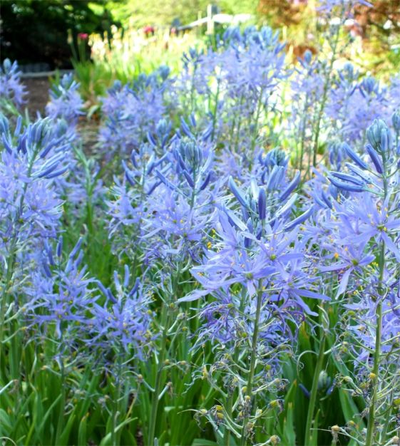
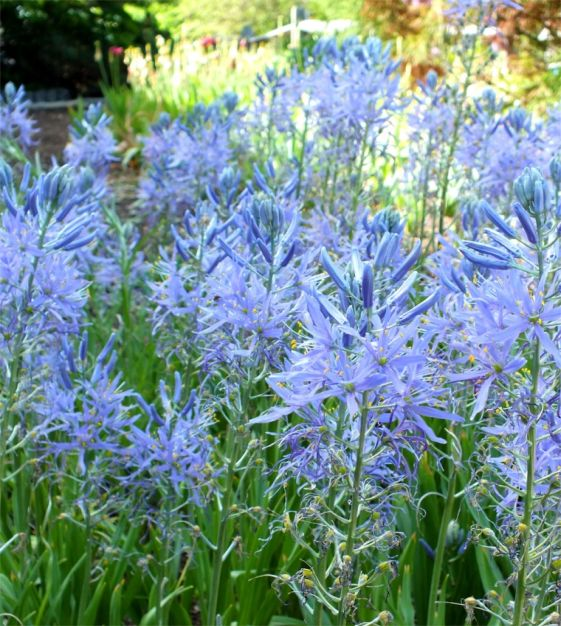
If adding unusual and interesting fall bulbs to your garden is on your list this year, the Spokane County Master Gardener Foundation has a deal for you. Now through Sept. 12, the group will be taking orders for unique varieties of tulips, daffodils, reticulated iris, fritillaria, camas and others. This year’s bulbs are sourced from Van Engelen Inc., one of the oldest importers of Dutch grown bulbs in the country and well-known for their quality. Bulbs must be ordered online by Sept. 12 at spokane.mastergardenerfoundation.org/all-events/bulb-sale/. Orders will be available for in-person pick up at the WSU Extension Office on Oct. 18. The Extension Office is located at 222 N. Havana St. in the southwest corner of the Interstate Fair and Expo Center grounds.
Spring blooming bulbs are best planted in October in this area. They will spend the fall growing roots before going dormant when the soil freezes. In the spring, as the weather and ground warm, they will produce brightly colored blossoms that help to take away the winter gray. Every bulb will have its own planting directions, but most are dependent on the size of the bulb. If you are plagued by squirrels or other digging creatures, cover the planting area with chicken wire. Be sure to water them in well.
September into early October is a good time to take advantage of fall nursery sales and to transplant perennials. Again, the warm soil will help transplants establish themselves before winter. Like bulbs, water them in well and then after a couple of hard frosts mulch them with shredded pine needles or leaves to prevent frost heaving later in the winter.
October is also the best time to plant garlic. Like bulbs and perennials, garlic will have time to grow roots before going dormant. After heads of garlic are broken into individual cloves, the largest cloves are planted about 2 inches deep and 6 inches apart. The smaller ones can go to the kitchen. In early November the bed should be covered with several inches of shredded pine needles or leaves, wood chips or straw to minimize frost heaving. It’s best to use seed garlic purchased online or at garden centers rather than grocery store heads. Grocery store garlic is often not hardy in our area or has been treated to control sprouting.
Weed and mulch your beds now to reduce your work in the spring. Removing weeds that have sprung up in the cooler weather and then mulching areas with shredded needles and leaves, arborist wood chips or compost will dramatically cut down your spring clean-up efforts. Add well-rotted cow manure and compost to vegetable beds and then cover them with mulch. In the spring, simply clear a space and plant your seeds and plants.