
Cool Critters: Western boxelder bug begins autumn stampede
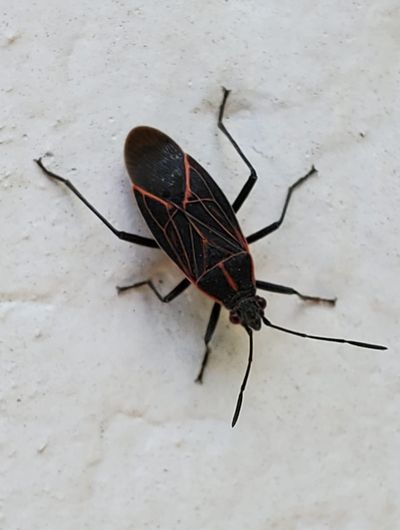
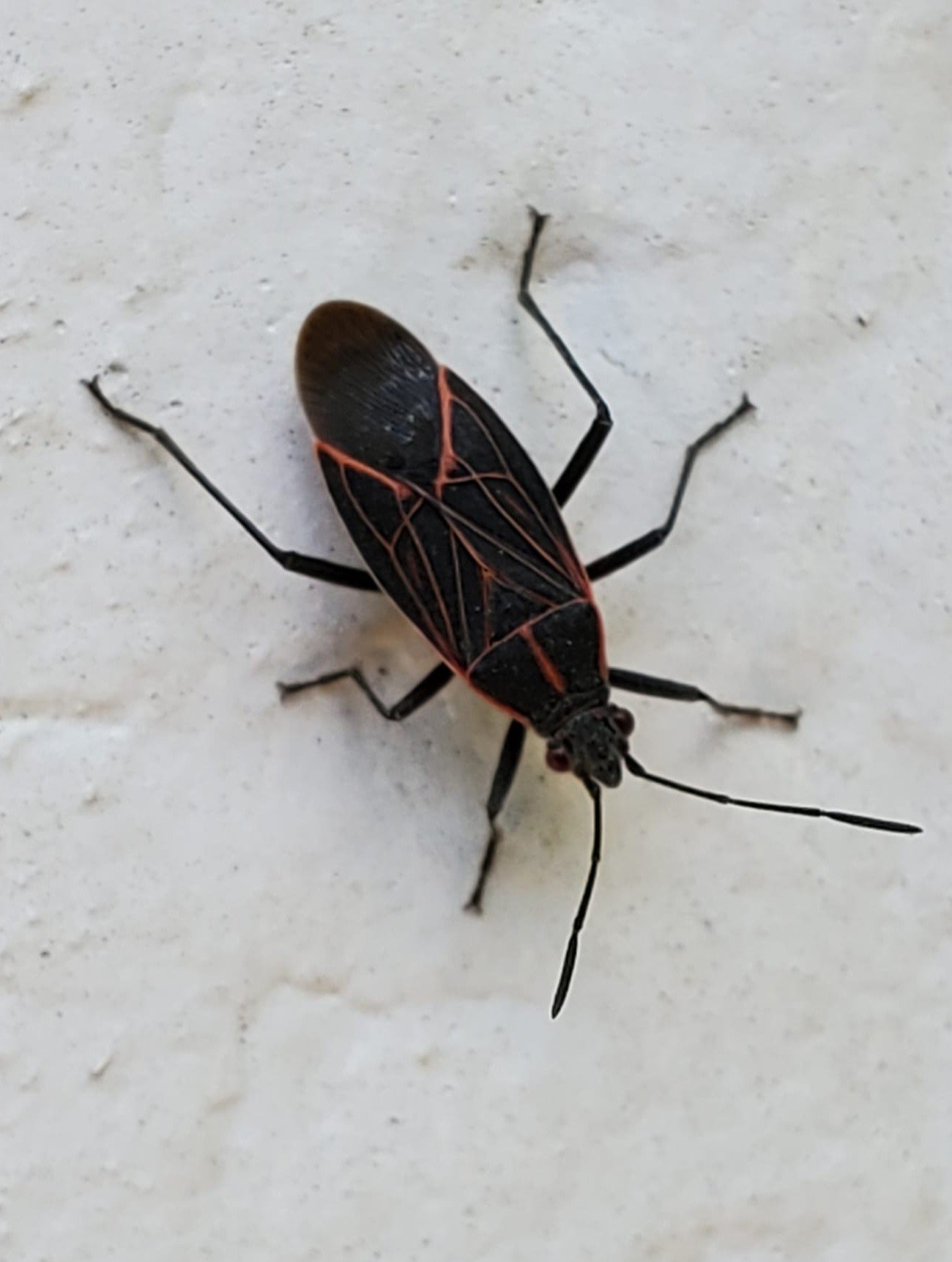
Come autumn, there’s no place like home for the western boxelder bug.
Your home.
Acting on cues like cooler temperatures and shorter days, the boxelder bug has begun its “fall crawl” to reach shelter before cold weather arrives.
And it never knocks, sometimes stinks and likes to hang out in crowds.
“They seek out places to spend the winter where they can overwinter as adults,” said entomologist Richard Zack of Washington State University. What’s more, they can release a “peculiar, nasty odor” when stressed or crushed, he explained.
Though harmless, boxelder bugs can become an annoyance this time of year.
“They can appear in very large numbers in the fall,” Zack said.
But not just anywhere.
Western boxelders are found in areas where boxelder trees grow, and to a lesser extent, ash and certain maple trees, according to the United States Department of Agriculture. This means, of course, that many parts of the Inland Northwest offer the habitat they need.
Each September, boxelders leave their host trees in search of a warm place to spend winter. If your home or another structure is close by, they’ll probably be drawn to it.
At first, you might see them basking in the sun on south-facing walls of homes and other buildings, where they rest and warm up, Zack said. Then, as the weather grows cooler, they’ll make their move indoors. All they need to get in is a small crack or gap around windows, doors, pipes or on the siding, he explained.
Indoors or out, it’s easy to identify these insects. Slender and elongated like a sunflower seed, the western boxelder is black with bright reddish-orange markings.
If you find one inside your home, chances are there’s more. So, what to do? First, take a deep breath. Boxelders don’t bite, won’t eat your indoor plants or reproduce indoors. Nor do they scout kitchens for food. Instead, they quietly mill around the edges of rooms or inside wall cavities. Their goal: to make it through winter and go back outdoors in the spring.
If you don’t fancy the idea of sharing your domestic interior with boxelders, it’s best to keep them from entering in the first place by sealing external cracks and crevices, Zack advised. Also, fix any deteriorating weatherstripping on doors and windows.
If boxelders gain entry anyway? Remember, they release a bad smell when threatened or squashed. Best to vacuum them and throw away the bag afterward, Zack said.
Scientists have found that humans are blissfully unaware of the many types of bugs that live indoors with us. So if you’re feeling snug as a bug in a rug for the arrival of winter, keep in mind that right this minute, a spider is likely peering out from a dark corner somewhere in your home.