
Ask Dr. Universe: You can make a difference by protecting butterfly populations
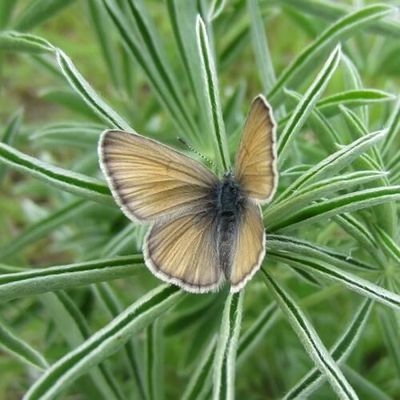
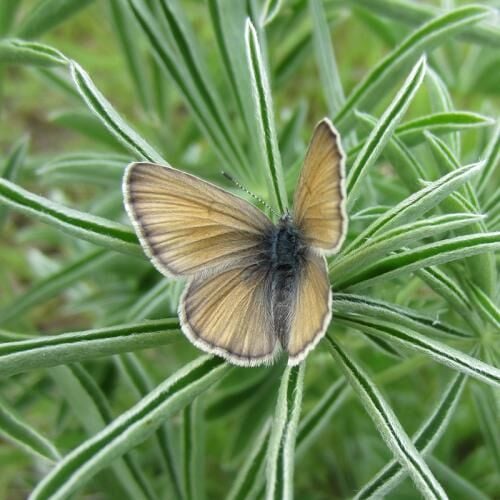
Dear Dr. Universe: How can a regular person make a big difference in society? – Zachary, 11, California
Dear Zachary,
Butterflies are in trouble. That’s what I learned when I read the first ever complete report about them. It was produced by the Xerces Society for Invertebrate Conservation and led by my friend Cheryl Schultz. She’s a conservation biologist at Washington State University.
It made me think about your question. Taking care of butterflies – and other beneficial insects – is one way to make the world a better place.
Here’s the situation.
The report looked at monitoring data for 342 butterfly species. That’s about half of known U.S. species. They found that butterfly numbers declined 22% from 2000 to 2020. Let’s say someone counted 100 individual butterflies in 2000. They would only see 78 butterflies during the same count in 2020.
“In many ways, it’s depressing because there are so many butterflies tanking,” says Schultz. “But there are things we can do…and, collectively, we can make a big difference.”
It turns out butterfly lovers in our region (the Pacific Northwest) may be in a good position to help our fluttery neighbors.
The numbers for Pacific Northwest butterflies dropped just 2.7%. If we look at groups of butterflies (species) instead of individual butterflies, about 25% showed significant declines. That’s stark. But the declines here may be less severe than in other parts of the country.
Regional experts are already using the data to make decisions.
“What we’re trying to do in Washington is incorporate those species into our priorities,” says Ross Winton of the Washington Department of Fish and Wildlife. “Just like we need systematic monitoring, we need a systematic approach to identifying our conservation needs.”
We know why butterflies are disappearing.
They’re losing habitat. That can happen when people use land for new things. Like making cities or expanding farm fields. It can happen if the habitat gets broken into patches. Many butterflies can’t fly from one patch of habitat to the next. It’s too far for them.
They’re hurt by pesticides. Some of these target insects. But butterflies are insects, too. They may get killed or harmed by accident. Some target plants. They may poison the plants butterflies use. It’s a tricky balance to use chemicals to help us grow enough food and still protect beneficial insects.
They’re at risk from climate stress. As the planet warms, flowers may bloom and wither earlier. The right flowers might not be around at the same time the butterflies are.
Here’s what we can do now to help butterflies.
Learn more about butterflies. Butterflies need three things. They need nectar plants to eat. They need host plants for their babies. They need year-round, connected habitat.
Plant nectar plants that bloom through spring, summer and fall. Adult butterflies feed on sweet flower nectar. Many butterflies eat all spring, summer, and fall. Install native plants when you can. But don’t pull any flowering plants without replacing them.
Provide host plants for caterpillars. Butterflies lay eggs on or near plants their caterpillars can eat. Those host plants may be different from their nectar plants.
Support wild spaces. Some butterflies are strong fliers. But many are habitat specialists. They stick close to home. They need connected wild patches to move around the landscape. That gives them places to rest and refuel. It helps them seek mates, avoid predators, and find new places to lay eggs. In the winter, many butterflies hunker down. They need dense plants or leaf litter.
Reduce pesticides. Use nonchemical techniques to manage pests, especially around your home and water sources. Never use pesticides on flowering weeds – because butterflies might visit them. Help keep wild spaces that connect patches of habitat healthy. That’s places like bike paths or roadsides. Speak up for butterflies in your community.
Look for butterflies around you. You may spot butterflies when you’re gardening, fishing, hunting, or walking your dog. Snap photos. Identify what you see using apps like Seek. Upload your observations to iNaturalist. Then scientists can use your pics for science. Last year, a photo alerted Washington scientists to a new population of Taylor’s checkerspot butterflies. Now they can monitor those endangered butterflies.
Butterflies do big jobs. They help pollinate our wildflowers and crops. They make great meals for birds and other animals. And they’re environmental sentinels. They inform us about the health of our ecosystems. Plus, protecting butterflies also helps less familiar insects.
You butter believe actions you take for these flittering animals make a big difference.
Sincerely,
Dr. Universe
Adults can help kids submit a question at askdruniverse.wsu.edu/ask.