US Sen. Amy Klobuchar jumps into Minnesota governor’s race
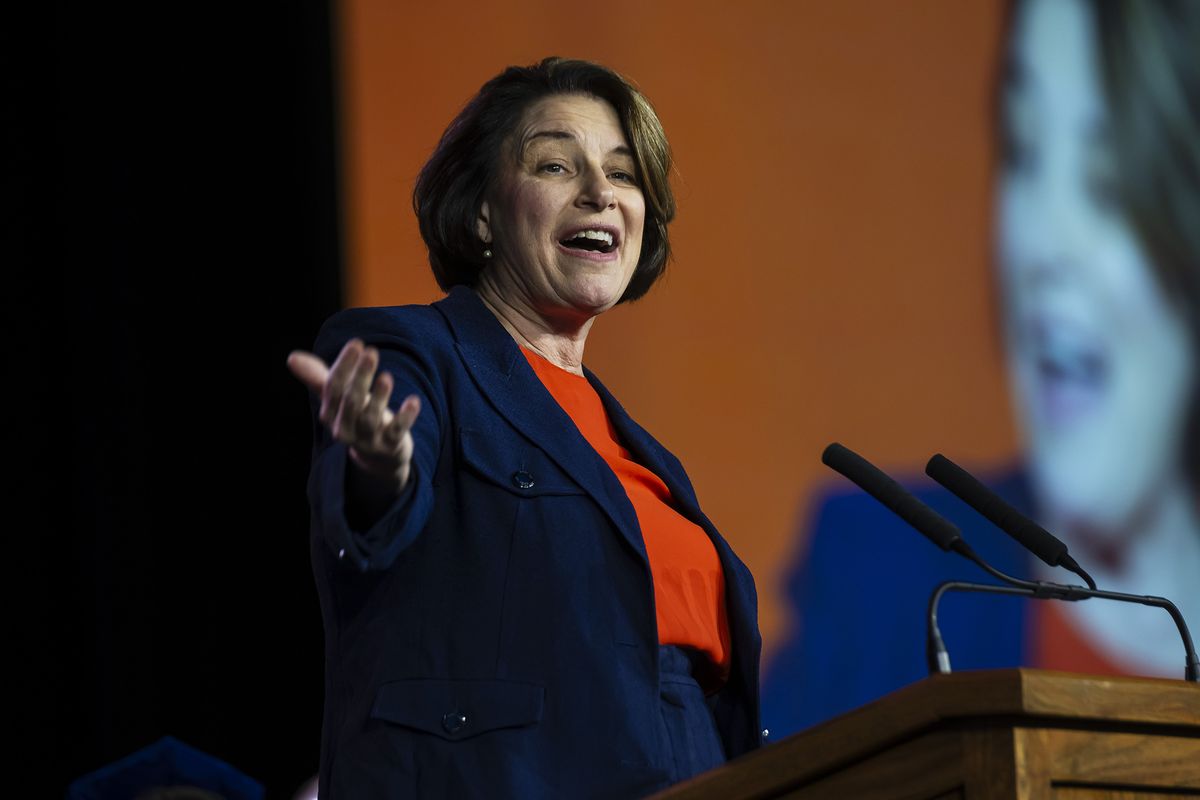
MINNEAPOLIS — Democratic Sen. Amy Klobuchar launched her campaign for Minnesota governor on Jan. 29, seeking to protect her party’s hold on the office after Tim Walz abandoned his bid for a third term.
The senator’s announcement follows weeks of turmoil in her home state that included violent clashes between federal immigration agents and protesters, culminating in the killing of two Minnesotans who were U.S. citizens.
In a four-minute video announcing her campaign, Klobuchar said “we cannot sugarcoat how hard this is, but in these moments of enormous difficulty, we find strength in our Minnesota values of hard work, freedom and simple decency and goodwill.”
“These times call for leaders who can stand up and not be rubber stamps of this administration, but who are also willing to find common ground and fix things in our state,” she said.
The entrance of Klobuchar fundamentally alters the dynamic of the governor’s race. Instead of facing a polarizing second-term incumbent in Walz, Republicans are now bracing for a likely battle against the DFL’s most popular statewide politician. Klobuchar has won each of her Senate elections by wide margins and developed a reputation in Washington as a competent and ideologically moderate senator.
Her record could blunt some of the GOP’s usual lines of attack. The field of about a dozen Republicans running for governor are trying to make the 2026 election a referendum on the snowballing fraud crisis in the state’s social services programs. But tying that problem to Klobuchar, a federal lawmaker, could prove difficult.
Even so, Republicans are making the case that a Klobuchar governorship would be more of the same.
“Amy Klobuchar is Walz’s third term — same mindset, same excuses, same results. And voters already see it,“ Minnesota Republican Party Chair Alex Plechash said in a statement after Klobuchar filed paperwork to run for governor.
The political fallout of the Trump administration’s immigration enforcement campaign has put Republicans in Minnesota on their heels, but party leaders remain confident that fraud will remain a top issue heading into November.
Some Democrats have said Klobuchar’s experience as Hennepin County Attorney will help in the crackdown on social services fraud, though she could also face skepticism on her prosecutorial record from progressive Democrats.
The senator touted that experience in her announcement.
“I don’t like fraud or waste in government. That’s why I went after crime as county attorney. I will make sure the people who steal taxpayer money go to jail and root out the fraud by changing the way state government works,” Klobuchar said.
But Klobuchar’s immediate focus is trying to get the federal government to remove ICE agents from Minnesota.
In the midst of the immigration crackdown, Klobuchar is pushing back on funding for the Department of Homeland Security ahead of a possible partial government shutdown on Jan. 30. She’s also meeting with local leaders and police chiefs about ICE enforcement in their communities and has reached out to President Donald Trump’s Chief of Staff Susie Wiles about the administration’s immigration crackdown.
No other prominent Democrats have stepped up to run for the seat, likely giving Klobuchar a clear path to the DFL nomination.
Other top Democrats in the state, including Secretary of State Steve Simon and Attorney General Keith Ellison, have both passed on running. Lt. Gov Peggy Flanagan and Rep. Angie Craig, who are locked in a fiery Democratic primary to replace retiring U.S. Sen. Tina Smith, have also both said they will not run for governor.
Klobuchar emerged as an early favorite among Democratic donors and lawmakers shortly after Walz’s announcement.
She became Minnesota’s first woman elected to the U.S. Senate when she won the seat in 2006 against Republican Mark Kennedy. She won a fourth term in the U.S. Senate in 2024, which ends in January 2031. If she wins, she will become Minnesota’s first female governor.
Klobuchar can remain in her Senate seat during her gubernatorial run but would leave if she wins in November, creating another opening in the U.S. Senate.
She could potentially appoint her U.S. Senate replacement as governor, depending on whether Walz does it before his second term is up in January. If she were to lose the governor’s race, Klobuchar would be able to remain in the U.S. Senate.
Klobuchar is expected to face whoever prevails in a crowded Republican field, which includes Minnesota House Speaker Lisa Demuth, MyPillow CEO Mike Lindell, businessman Kendall Qualls and state Rep. Kristin Robbins.
Klobuchar, a 2020 presidential candidate, has been mulling her political future for months, including potentially moving up in Senate leadership or running again for president.
But she would likely face a crowded field of Democrats in 2028 if she ran for president, and it could take years for some Senate leadership positions to open up.
Last summer, as Walz was undecided on whether he would run for a third term, many Minnesota Democrats believed Klobuchar would step up if he decided not to seek re-election.
Walz announced he would seek a third term in September but dropped out after the holidays as criticism grew over the fraud crisis. He invited Klobuchar to the governor’s residence, and they discussed the possibility of her running in his place.
Klobuchar’s response gave Walz the confidence to announce the next day he would abandon the race, according to people familiar with their conversation.
“I like my job in the Senate. But I love our state more than any job,” Klobuchar said in her campaign ad.
“And Minnesota, I want to be a transformative governor.”