
Spokane Valley councilman uses Somalian nationality to describe fraud concerns in a local project funded federally
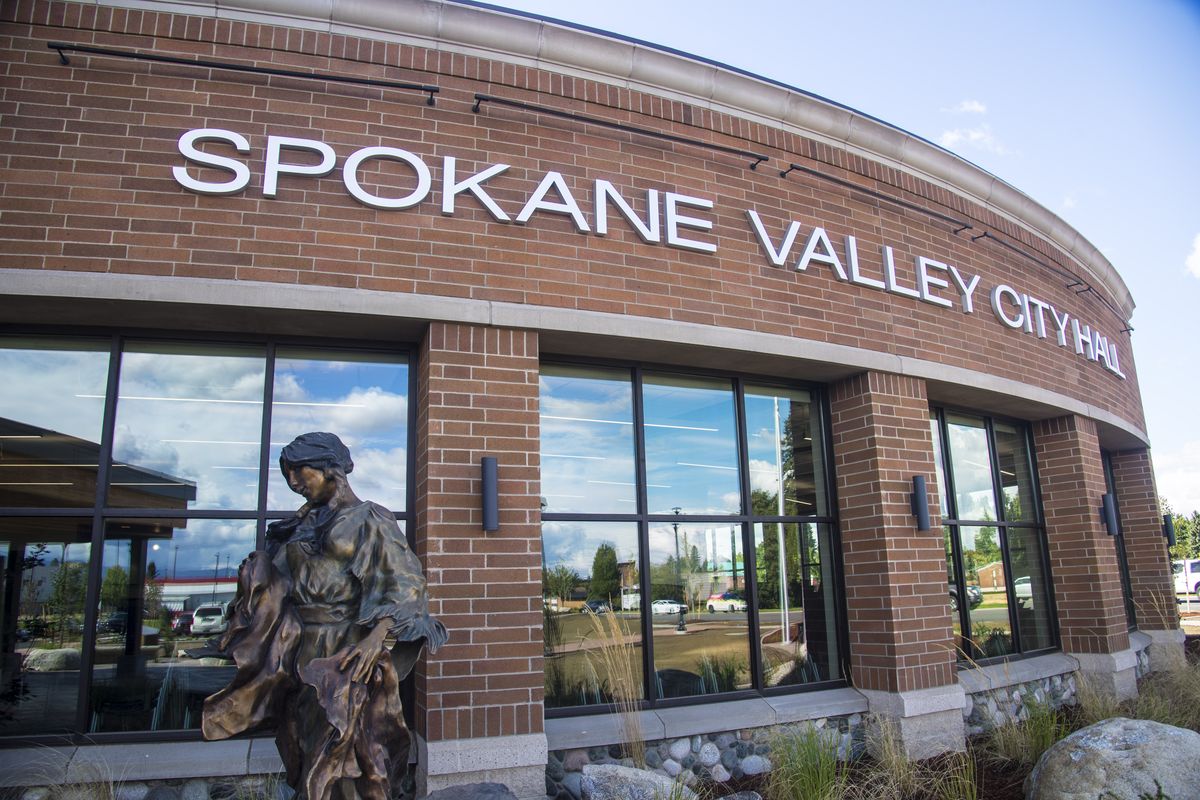
Three minutes before a special meeting at Spokane Valley City Hall ended, recently elected councilman Mike Kelly said something that startled some in the room.
The city council was discussing a disaster recovery grant potentially for the Spokane Regional Long-Term Recovery Group, which requested nearly $8.4 million to rebuild homes for households destroyed by the Oregon and Gray Road Fires. The homes are in Medical Lake, not Spokane Valley.
“I just want to make sure no Somalians are building houses out in Medical Lake,” Kelly said. “Not to disparage the nationality, I’m just making a point … just because they’re federal dollars doesn’t mean they don’t get abused.”
Kelly confirmed on Wednesday that he was referring to an incident in Minnesota, where federal prosecutors charged nearly 100 people with felonies, accused of stealing hundreds of millions of dollars from a federal program aimed at keeping children fed during the pandemic. Dozens have been convicted. Many of the defendants are of Somali descent, although the suspected ring leader was white.
When asked about his comment, Kelly said he was trying to point out that federal involvement in a program requires oversight to protect from the kind of abuse charged in Minnesota.
The fraud began in pockets of Minnesota’s Somali community. The situation ultimately garnered national headlines, drawing attention from President Trump, who has said that Somali perpetrators should go “back to where they came from.”
“Due to the large amount requested … and the lack of history by the nonprofit applicant, concerns have been expressed about adequate oversight and potential fraud,” Kelly said. “… I was not trying to disparage an entire nationality, but in light of recent revelations in other states, federal programs are subject to fraud.”
Census figures show 99.8% of the 5,000 residents of Medical Lake are U.S. citizens. About 100 people living there were born outside the United States. Most Washington residents of Somali descent live in the Seattle and King County.
Executive director Craig Sanders said Kelly’s comment during the meeting surprised him, but since it is the first time the recovery group has applied for a federally funded grant, he partially understands the apprehension.
“Our track record speaks for itself,” Sanders said. “We’re just trying to get people back in their homes.”
By next month, the recovery group will have rebuilt 13 homes in two years, Sanders said.
“We have astute accounting. Every dollar spent is tracked back to grants,” Sanders said. “I don’t know how fraud could even happen with our model.”
Several council members voiced concerns similar to Kelly, including councilman Al Merkel, who voiced concerns about how much money the organization would get.
“This is the kind of pot of money that can be easily abused if it’s not watched very carefully,” Merkel said during the meetings.
Merkel said he barely remembers Kelly’s remark about Somalians.
“It didn’t really strike a chord with me given that it’s a pretty prominent story,” Merkel said.
But councilman Tim Hattenburg, remembers the remark clearly.
“I remember thinking in my head, ‘What did you just say?’” Hattenburg said.
Hattenburg said that no council member or city staff commented on Kelly’s remark because it was around 8:15 p.m. and the meeting had gone on for more than three hours. Concerns about fraud are fair, but categorizing a nationality as being fraudulent is not, Hattenburg said.
Hattenburg is on the Housing and Community Development Advisory Committee, which will decide if the grant is given to the recovery group or not.