
Idaho’s last dance: Far-reaching 1990 NCAA team jelled to near-perfection, then mysteriously scattered | Dave Boling

Considering he had been immersed in a long, award-winning career as a sports broadcaster in New York City, Otis Livingston was surprised to be touched so deeply by a basketball tidbit that hit the news last week.
The Idaho Vandals men’s basketball team had qualified for the NCAA Tournament for the first time in 36 years.
Wait, Livingston thought, that was the 1990 team. That was my team! Could it have taken them that long to get back?
“I didn’t keep close tabs on teams every single year, but I did see some hard times,” Livingston said of the trajectory of Vandal basketball. “This one is a surprise. That’s what March Madness is about, teams that get hot at the right time and earn the right to go to the NCAA Tournament. So, that’s why we’re so proud of them this year.”
The Vandals (21-14) ended the lengthy drought by beating Montana in the Big Sky Conference tournament, earning a No. 15 seed and now getting ready to face No. 2-seeded Houston Thursday in Oklahoma City.
Their situation is not much different than that of the 1990 team, except the earlier edition rolled through the regular season with a 25-5 record.
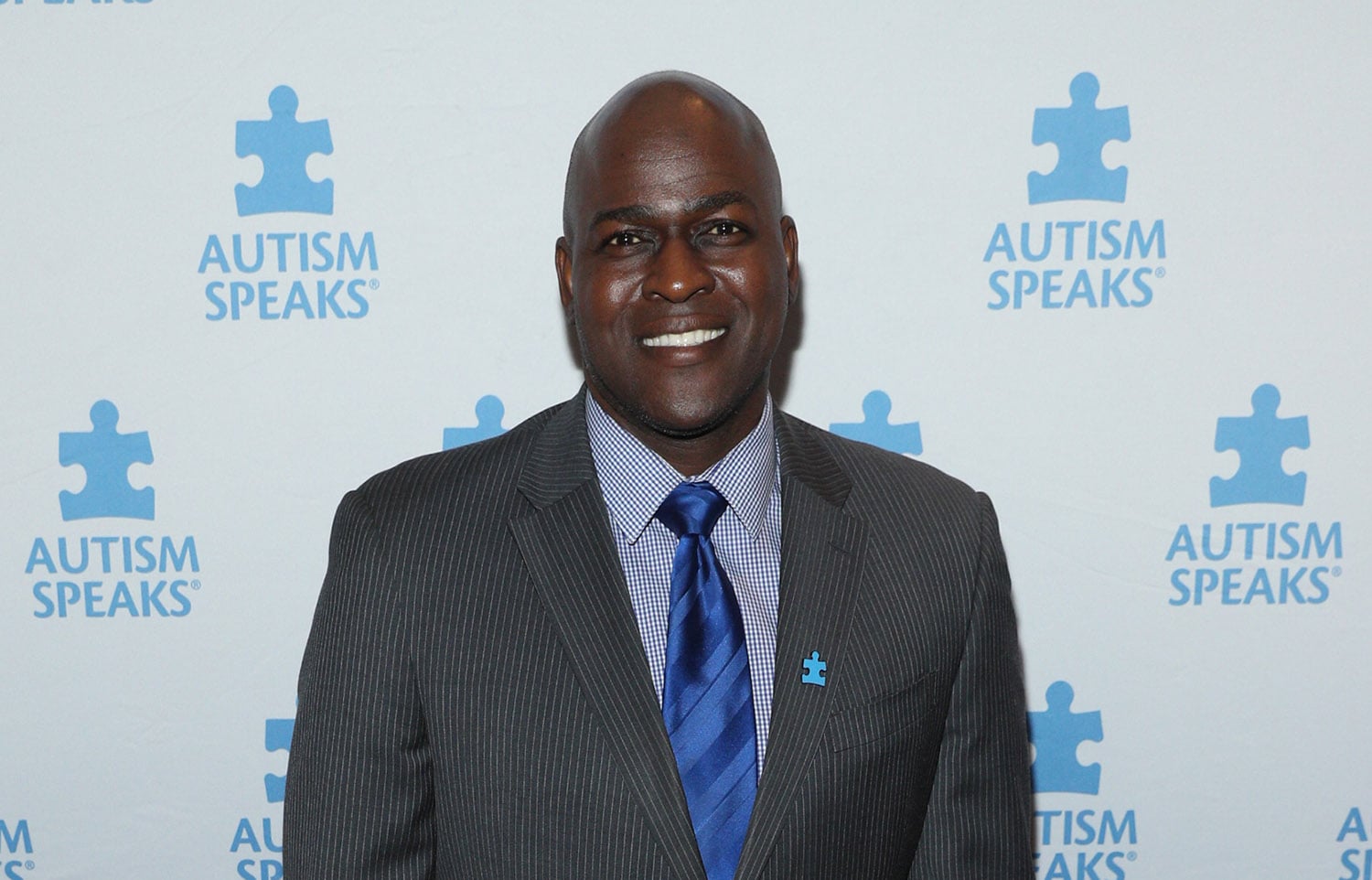
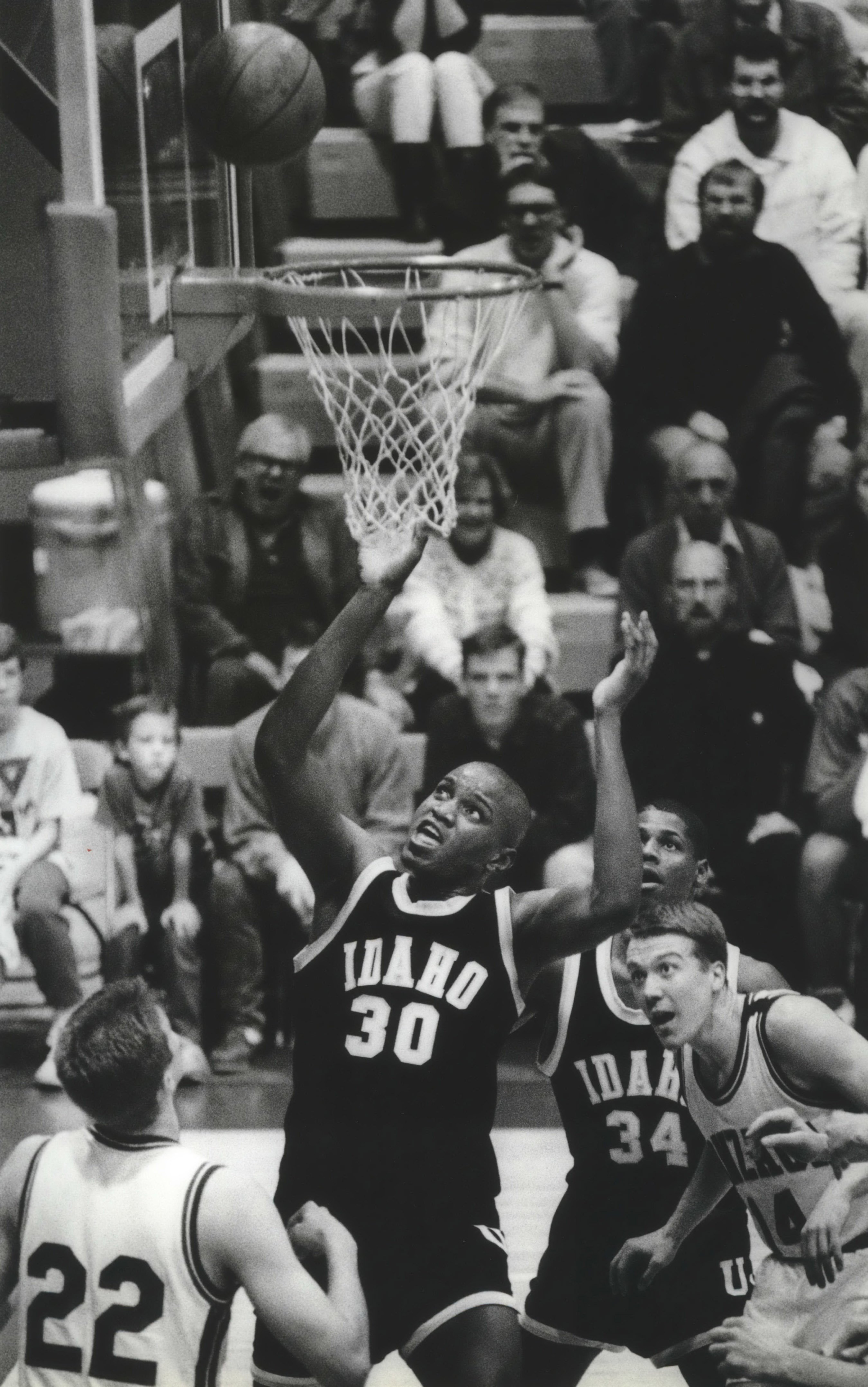
Livingston was the All-Big Sky Conference point guard who distributed a team-high 12 assists in that 78-59 loss to No. 4 -seeded Louisville the 1990 tournament’s first round in Salt Lake City.
It was the Vandals’ second consecutive NCAA appearance (1989 first-round loss to UNLV) under coach Kermit Davis, the youngest head coach in the country, who had put together a 50-12 record before making a huge leap to take over at Texas A&M.
His predecessor, Tim Floyd, initiated the string of success in Moscow two years earlier, by upgrading the talent-level with transfers and junior-college stars from all over the country.
Livingston was a part of the influx. A talented prep from Los Angeles, he played 27 games with Kansas before being suspended by head coach Larry Brown near the end of the 1988 season. It left Livingston on the outside looking in as the Danny Manning-led Jayhawks won an NCAA national championship.
As Livingston looked back during a recent phone interview, he said of his suspension: “I was head strong.” He added that the move to Idaho was the best thing that could have happened: He met his wife and started building the foundation for a multi-Emmy Award -winning broadcasting career, in which he’d covered just about every major sporting event in the world.
Livingston now realizes that the ’90 team benefited from being such a widely gathered collection of players from disparate backgrounds. But that also might be the reason they dispersed just as widely, and why most had lost touch over the years.
Dan Akins, from Potlatch, however, remained in the area, and runs a store there, just as his father had. His Vandal teammates nicknamed him “Potlatch.”
He ventured out, too, all the way over Pullman for work at Washington State, before moving back in 2005. Even he admits that he stopped going to UI games for a while. The demands of a growing family can keep you busy, but, also, the Vandals didn’t always give the fans much to attract them to games for many seasons.
Livingston stayed in Moscow for two seasons after the NCAA appearance, getting his broadcasting career started while his wife finished her degree. During that time, his two daughters were born.
“That really put it into perspective how long ago that was,” Livingston said.
The game before the game
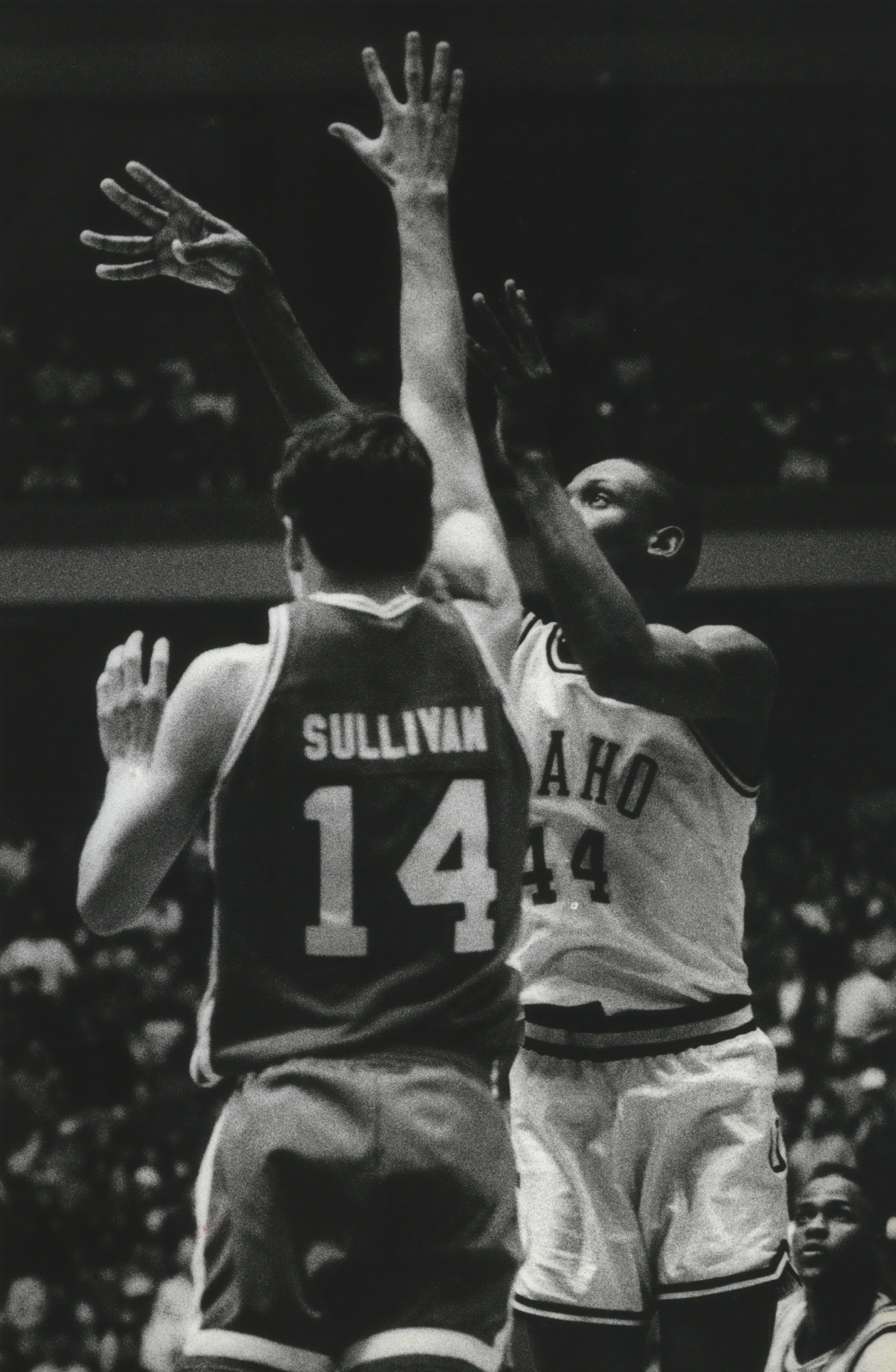
One can’t talk about the 1990 Idaho-Louisville game without mentioning the game that got them into the NCAAs – a 65-62 win over Eastern Washington in the Big Sky Conference tournament in Boise.
EWU led by as many as 13 in the second half, but a UI rally brought the score into a tie at 62 with four seconds remaining.
Dave Cook, sports information director at Idaho (later at EWU for decades) recalled that a camera crew focused in on Davis as he drew up the final play. Everyone expected the ball would go to conference player of the year, Riley Smith, the Vandals’ leading scorer.
Davis’ design assumed the Eagles would cluster around Smith, so he wanted the shot to be taken by Ricardo Boyd. Boyd, a 6-3 wing with conspicuously huge hands and silky jump shot, took the feed and buried a 3-pointer to give the Vandals their second straight NCAA berth.
“It was exactly the way Kermit drew it up,” Cook said.
Nobody was happier to see the shot drop than Livingston.
“I missed a couple free throws down the stretch and that kind of kept them in the game,” Livingston said. “But Ricardo saved me, and saved the team.”
The game
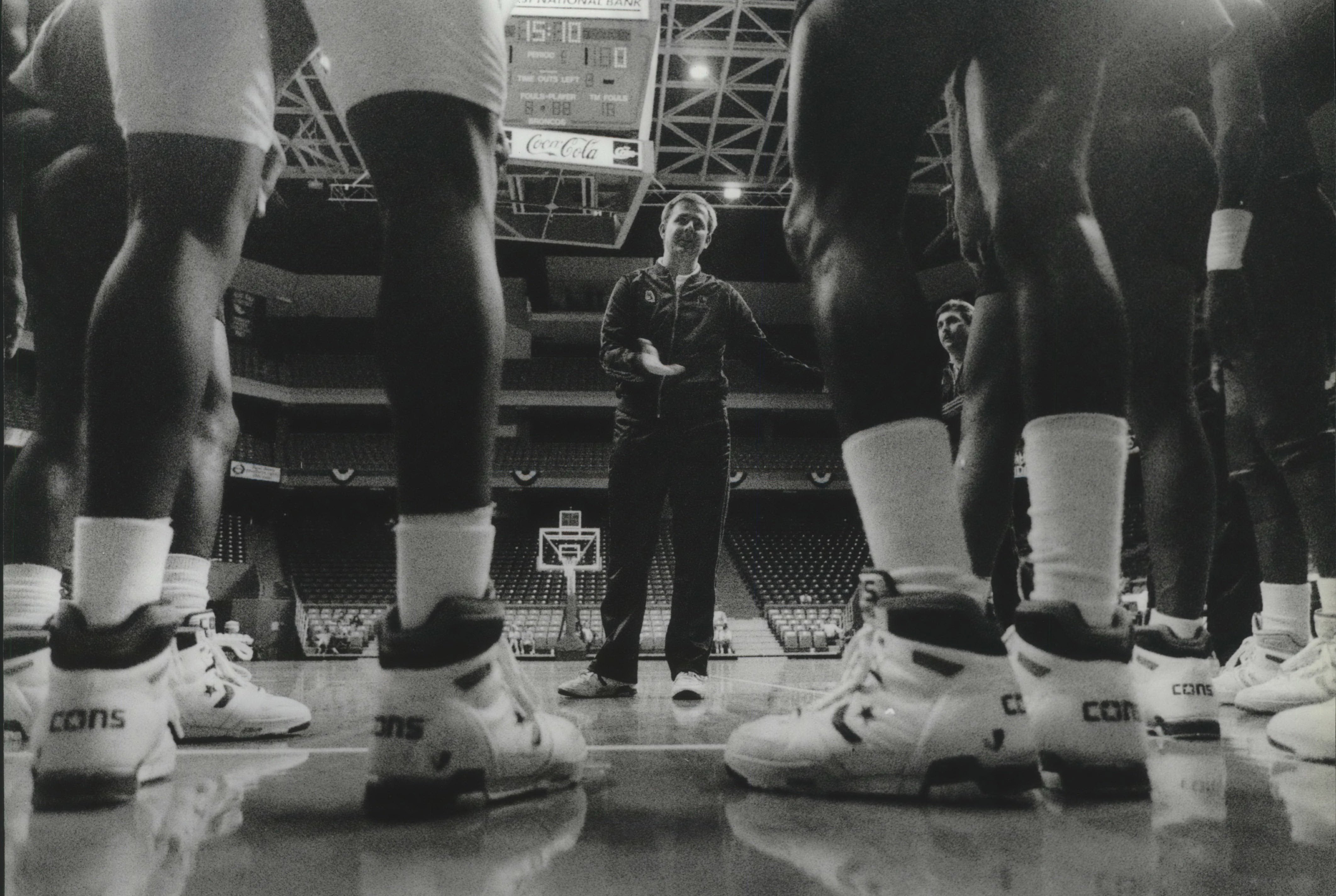
Davis conceded that the Vandals had little chance against the two-time NCAA-titlist Louisville Cardinals unless they played a perfect game.
Livingston remembered the game plan. “Playing fundamental basketball, back-door cuts, good screens, lobs to the basket. We wanted to use a lot of the shot clock.”
It worked to perfection, and the Vandals went on a 10-0 run and led 16-8 with 12 minutes gone.
“We caught them off guard from the tip,” radio announcer Tom Morris recalled. “You know they were looking past us, and they didn’t know what hit them. Riley Smith played the half of his life. Everything went in. He couldn’t miss.”
Livingston remembers the nonpartisan crowd at the Huntsman Center suddenly turning into fans of the upset-seeking No. 13-seeded Vandals.
Smith, at just 6-7, was shockingly efficient against the much taller Cardinals, headlined by 7-foot Felton Spencer, who would spend 11 seasons in the NBA. The problem for Smith was on the defensive side, where he drew three fouls barely midway through the first half, forcing him to sit.
“I went in for Riley and guarded Felton for like eight minutes,” Akins said. “My claim was (Spencer) didn’t score on me, but the rest of the team did … the game was already out of hand.”
Louisville went on a 28-3 run, a 14-0 stretch coming before halftime once Smith was on the bench. The Vandals continued to fight, being outscored by just two points in the second half.
Smith finished with 28 points (11-18 field goals) and 12 rebounds.
“Their athleticism was too much for 40 minutes,” Davis said afterward. “The game got too long. I’m really proud of my team. I really thought, for about 32 minutes in that game, we were right there.”
UL coach Denny Crum was particularly impressed with Livingston’s play. “I can see why Livingston set all kind of records in his conference for assists. He does a great job getting the ball inside.”
The aftermath
If fans had looked at the basketball programs of the four schools in the region at that time, the one most likely to turn into a national powerhouse might have been Idaho – on the heels of back-to-back NCAAs.
In 1990, Washington State hadn’t been to the tournament in seven years, but would qualify four times since. EWU hadn’t been to a tournament, ever, but has been to three since. And Gonzaga wouldn’t go to an NCAA for five years, and is now going to its 27th straight.
What happened to the Vandals?
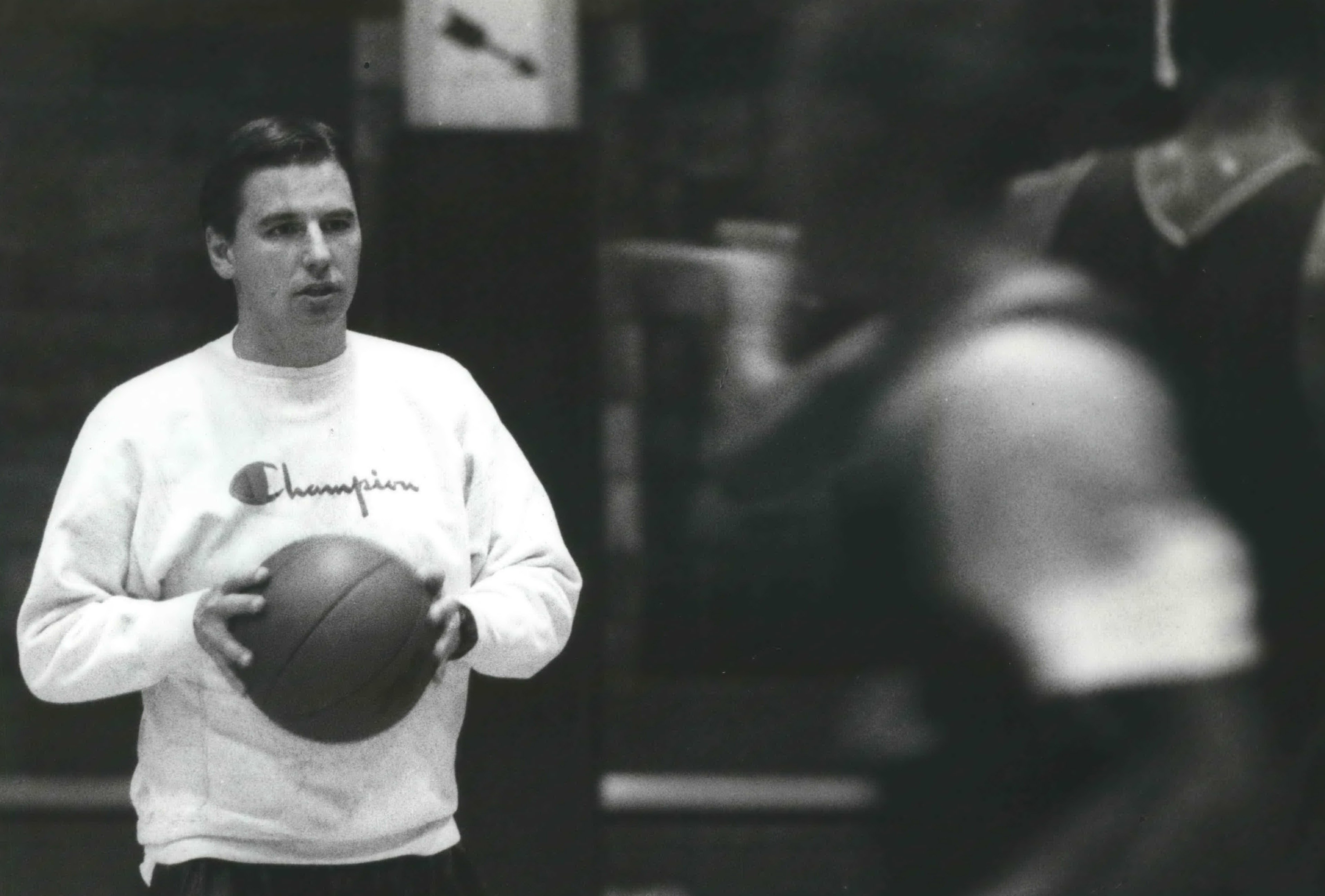
Davis left for Texas A&M, where he started with an eight-win season before being fired for NCAA violations.
His assistant at Idaho, Larry Eustachy, took over and had three winning seasons before leaving for Utah State. His coaching success followed to three other universities, although his stays were occasionally marred by off-court transgressions.
But at Idaho, that was truly an unprecedented stretch of talented coaches. Included in which was a graduate assistant under Floyd named Randy Bennett.
Bennett has become regarded as one of the finest coaches in the country for having turned Saint Mary’s into an annual NCAA participant. Wouldn’t it have been interesting to see what might have happened if they had a chance at some point to land Bennett as head coach?
Following Eustachy, seven coaches have led to Alex Pribble’s current tenure. That streak included Leonard Perry, who was a junior guard on the 1990 Vandals, but who couldn’t recapture the magic as a coach (48-97 in five seasons).
Also, Kermit Davis returned to Idaho with the 1996-97 team, and could only muster a 13-17 record in one season.
The players
Of the players from the 1990 group, Livingston has the highest profile, given his work in New York City media.
“Growing up in Los Angeles, that was my dream, having the pleasure of listening to Chick Hearn and Vin Scully and all those great broadcasters,” Livingston said. “It has been really fulfilling. To cover as many things as I’ve been able to do has been a real blessing.”
At 58, he has five children (Otis Livingston II having played point guard for George Mason, and now plays internationally) and three grandchildren.
In a highlight of his connection to UI, Livingston was asked in 2025 to be a commencement speaker.
“It was nerve-racking, sending them off into the world,” he said of the honor. His message? “Keep going. You know you’re going to get knocked down. You surround yourself with great people and you keep going.”
Ricardo Boyd died in October 2021. After Idaho, he played for years in Australia. He had become such a fan favorite that his obituary announcement was prefaced in a western Australian paper by “tight-knit basketball community remains in mourning after the sudden death of iconic U.S. import Ricardo Boyd.”
According to Akins and internet sites, guard Caesar Prelow is a pastor in Seattle.
In addition to Idaho, Perry has been a head coach at Pacific and an assistant at six universities and with the NBA’s Indiana Pacers .
The biggest mystery to Livingston and Akins is the whereabouts of Riley Smith.
“He’s really the one person I’d like to talk to,” said Akins, who was Smith’s roommate for the 1990 season. “Everyone’s tried to search for him on social media and things like that and just can’t track him down.”
“I think after college, he kind of just went on and did his own thing,” Livingston said . “And, you know … time and space.”
A few links could be found connecting him to playing for the Yakima Sun Kings of the CBA. Another mentioned he was headed to Greece to try the international game.
To those interviewed, the 1990 NCAA experience has been revived by this season’s success. Livingston said he remembers the Louisville game, because it was his last. But also for the same reasons the 2026 Vandals will always remember this week.
“Just to be a part of that was very cool,” he said. “Even if you’re going to lose, you want to experience it all, you want to have another game with your boys, to play another game for your fans. That’s why we won the Big Sky Tournament, because it was thrilling to just give us another opportunity to play with our team.”