
‘A living instrument for storytelling’: Spokane Symphony brings scores of Hans Zimmer, John Williams to life
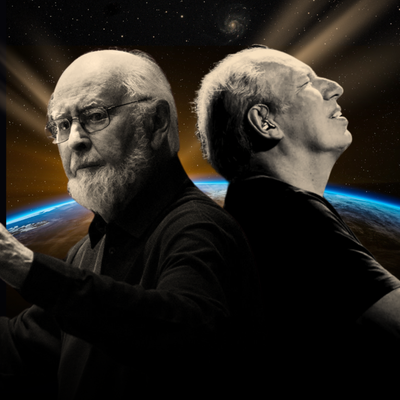
Whether you know it or not, the viewing experience of many of your favorite films was expanded by the orchestral scores that can make or break the biggest moments and set a movie’s tone throughout. The Spokane Symphony will be exploring the music of “Star Wars,” “Pirates of the Caribbean,” “Harry Potter,” “Interstellar” and more as they pit two of the greatest film composers’ neck and neck during Hans Zimmer vs. John Williams.
As part of the symphony’s 80-season celebration and one of the few “special” performances on this year’s schedule, some of the most iconic film music of all time will erupt from the Fox Theater stage on Friday and Saturday.
“Some of the themes that audiences immediately recognize the moment the first notes begin – for the ‘Jaws’ theme, we only need to hear two notes,” said James Lowe, the symphony’s music director and conductor. “It’s designed as a kind of cinematic journey through several decades of film music, from sweeping symphonic adventures to rhythm-driven sound worlds.”
The sheer recognizability of pieces like the “Jurassic Park” theme adds an extra sense of pressure on the symphony considering the masses have better odds of actually hearing a mistake.
“When the orchestra begins a cue, everyone in the hall already has it in their ear,” Lowe said. “But that recognition is also what makes the experience exciting.”
Experiencing these renowned pieces and motifs with a live orchestra as the dynamics ring through the theater provides a few different perspectives, for example, the key differences between Zimmer and Williams.
Williams, perhaps a bit more “old school,” composes similar to those from the legendary late-Romantic period with heavy emphasis on themes, character motifs and grand orchestration. Zimmer, meanwhile, builds a musical ecosystem from texture, rhythm and atmosphere while blending orchestral traditions with new electronic sounds.
“Both composers have defined the sound of film music, but they approach it quite differently,” Lowe said. “In a sense, Williams represents the continuation of the great symphonic film score tradition, while Zimmer reflects how film music has evolved in the digital age.”
Hearing these sprawling pieces separated from their cinematic origins also acts as a reminder that they are incredibly intricate and nuanced in their own right. Although they are intended to develop and further flesh out a movie, they can also stand alone as quality orchestral music.
“Hearing these pieces performed live by a full orchestra gives them a scale and immediacy that’s very different from hearing them on a film soundtrack,” Lowe said. “Many people might not immediately think of film scores as ‘concert music,’ but when you bring this repertoire into the concert hall, you realize just how sophisticated and expressive it is.
“Concerts like this are a great reminder that the orchestra is a living instrument for storytelling.”