
West Plains residents may soon vote on new fee to protect area’s groundwater
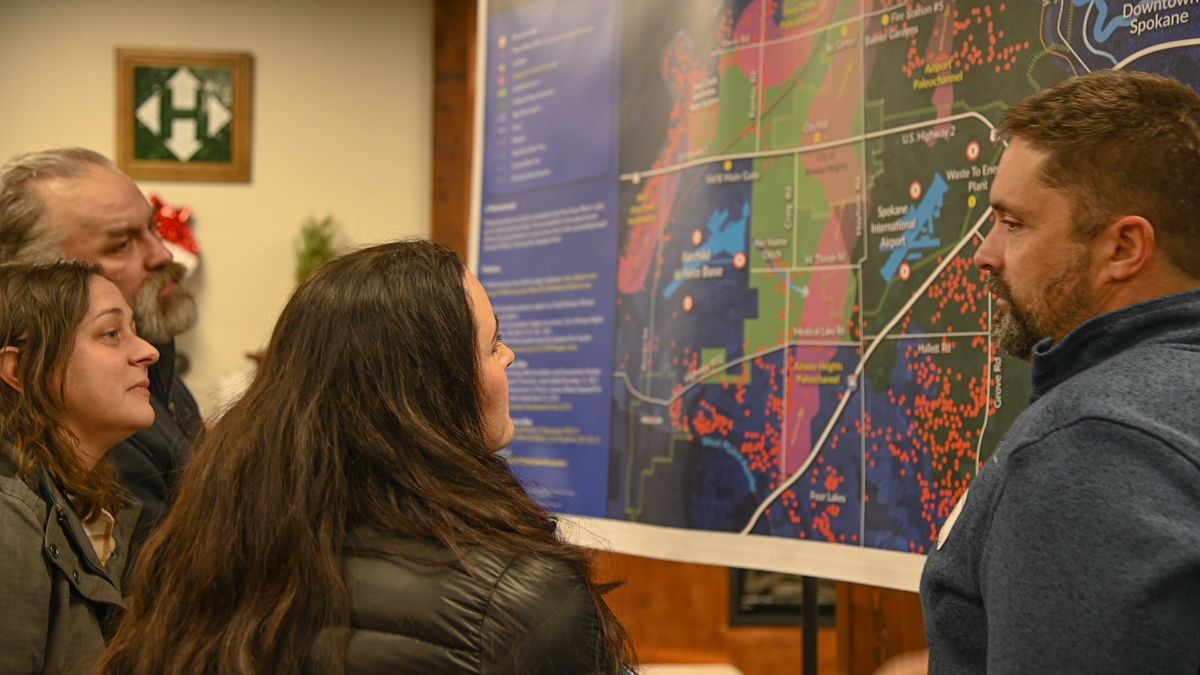
Property owners on the West Plains may decide later this year if they will pay annual $15 fees aimed at improving water quality.
Spokane County is exploring establishing an aquifer protection area to raise funding for water infrastructure, monitoring and education campaigns for the source of groundwater tainted with “forever chemicals.” The proposed protection area for the West Plains Aquifer would be put before voters in August if the county commissioners advance the measure at a county meeting in April.
The initiative would be a funding mechanism similar to the protection area in place for the Spokane Valley–Rathdrum Prairie Aquifer. First established in 1985, voters in Spokane, Spokane Valley, Millwood, Liberty Lake and unincorporated areas of the county over the aquifer renewed it for another 20 years last fall.
Stretching from Nine Mile Falls to south of Cheney, the West Plains proposal would include Cheney and Airway Heights, but exclude Fairchild Airforce Base, which, as a federal parcel, can only be taxed with permission.
The Cheney and Airway Heights city council s voted to join the effort. Voters including those in the towns who agreed to join will have the final say.
The Medical Lake City Council hasn’t made a final decision about joining the proposed aquifer protection area.
Amy Sumner, a Spokane County water resource manager, told the county commissioners at a meeting last week that around 18,600 parcels would be within the proposed boundaries. Single family homes would pay $15 a year for groundwater use and another $15 if using a septic system. Commercial properties would be charged by meter size, similar to the established aquifer protection rates for the Spokane Valley-Rathdrum Aquifer.
If approved, the measure would generate around $400,000 annually. Around $160,000 would be distributed among the participating towns to be used as they see fit and allowed for under state law, like planning, stormwater or sewer work, drinking water, monitoring, enforcement and education. The $160,000 could also be pooled and directed to regional initiatives, Sumner said.
“For programs such as a comprehensive plan, larger construction projects, or there was some interest in having water conservation rebates to kind of get people to reduce their water use,” Sumner said.
Spokane County Public Works Director Kyle Twohig said it could take more than a year for the funding to accrue and become available if the measure is approved by West Plains voters.
“So we have additional time through public input and additional meetings with municipalities to vet out the program in a little bit more detail,” Twohig said.
The Spokane County Commission has until May 1 to advance the measure to the August primary ballot. The proposal likely will be discussed and voted upon to move forward at a public hearing on April 14, according to a preliminary plan shared last week.