
Newly identified genetic groups of bighorn sheep could aid Idaho management
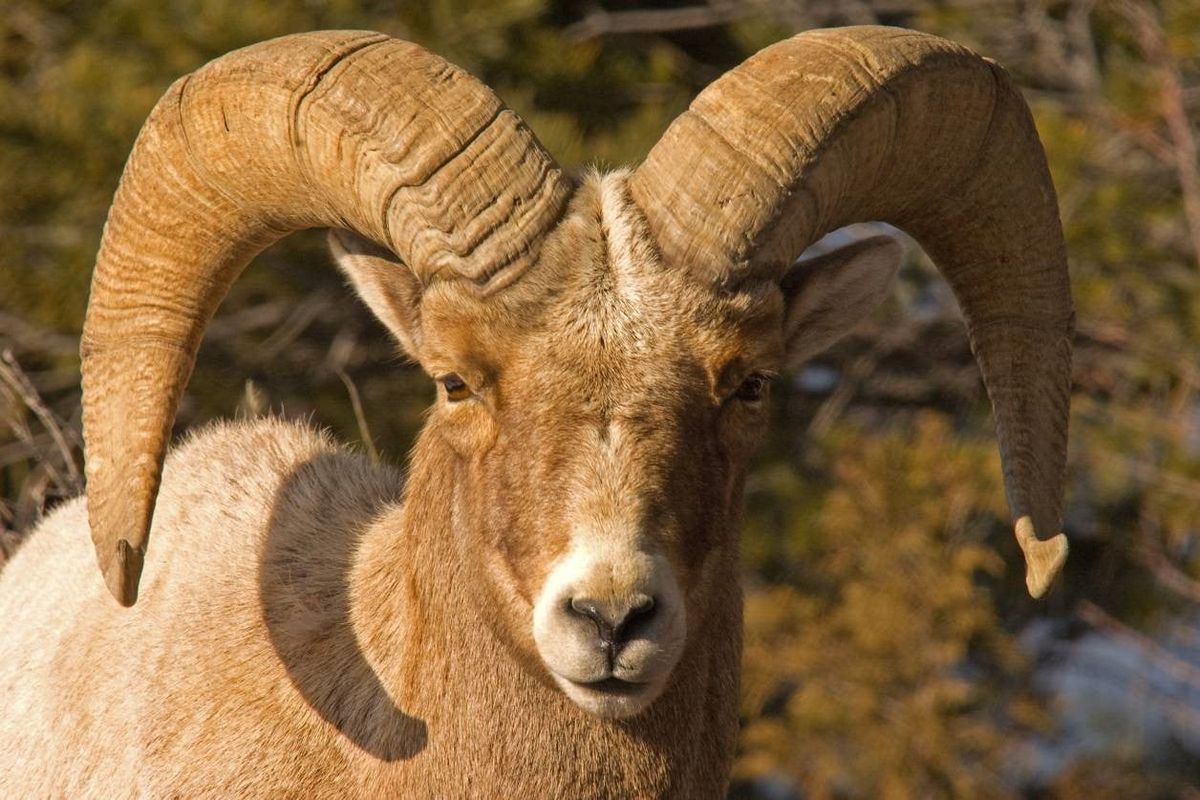
A new Idaho study has identified six distinct genetic groups of Rocky Mountain bighorn sheep across the state, opening new doors for management and reintroduction projects.
Examining DNA from horn samples dating back to 1897, the study found that habitat fragmentation and disease have nearly eliminated certain lineages of sheep across the Gem State.
For example, genetic comparisons in the study suggested that about 35% of the wild Rocky Mountain bighorn sheep from a study group, of those located mostly in the southern areas of the state, had evidence for desert bighorns in their ancestry.
Today, this hybrid-lineage makes up less than 1% of the state’s population.
The study includes DNA extracted from horns on display at the Jack O’Connor Hunting Heritage and Education Center that date from 1897 to 1985. Those samples were then compared to newer DNA samples collected from 2000 to 2017.
The project encapsulates over 20 years worth of research by scientists at the University of Idaho and Idaho Department of Fish and Game. The effort was sparked by the officials’ interest in revitalizing the native sheep populations favored by hunters.
Knowing what types of sheep used to live where is important when it comes to restoration and conservation efforts for populations in and out of Idaho, said Lisette Waits, the University of Idaho researcher on the project.
“When we do reintroductions to other areas, we like to try to make reintroductions of animals that are as genetically similar as possible to the animals that used to be there,” Waits said. “And we also want to move animals that are genetically diverse. Animals that have more genetic diversity can better adapt to environmental change.”
Idaho Department of Fish and Game biologist Frances Cassirer has studied Rocky Mountain bighorn sheep at the agency since 1995.
She said that paleontological and Native American history suggests the sheep were once as abundant in the region as deer or elk are today.
A species of “special conservation need,” Idaho is currently home to about 3,000 Rocky Mountain bighorn sheep.
Cassirer said the available habitat could support as many as 15,000.
“We know we have room for a lot more sheep,” she said. “So (the study) supports our efforts to try to continue to increase sheep numbers.”
Populations of the wild sheep fell when white settlers began trickling into Idaho in the 1800s, bringing unsustainable hunting practices and domestic livestock with them.
The bighorn were – and are today – highly susceptible to the diseases domestic livestock carry, especially pneumonia.
Hunting regulations in the state slowly ramped up as people noticed the populations declining, with some seasons even closing entirely by the mid-1900s.
Oregon, Washington, Nevada and New Mexico had completely extirpated their populations of Rocky Mountain bighorn before the year 1950.
Today, Idaho populations have increased enough to allow for 95 tags a year to hunt for the Rocky Mountain sheep, Cassirer said. Another five or so tags are made available for the California bighorn, a different subspecies of bighorn sheep.
“Populations are doing better, and we’ve also done a lot of translocations into Idaho from sheep – bringing sheep from other places or moving sheep around to try to re-establish them in historical ranges where they were extirpated,” she said.
Many of the horns used for the study’s historical sampling are part of a 38 piece, private collection housed at the Jack O’Connor Heritage Center in Lewiston. The collection previously was owned by the late John Carrey and was acquired by Doug Boggan, a lifelong big game hunter and former rancher.
“I wanted them used for research because bighorn sheep are a tremendously valuable resource here in Idaho,” Boggan said.
He hopes that the collection can contribute to more studies in the future.
“I appreciate the fish and game department for taking and interest and doing such a good job,” Boggan said.