
Topics
Wolves
Summary
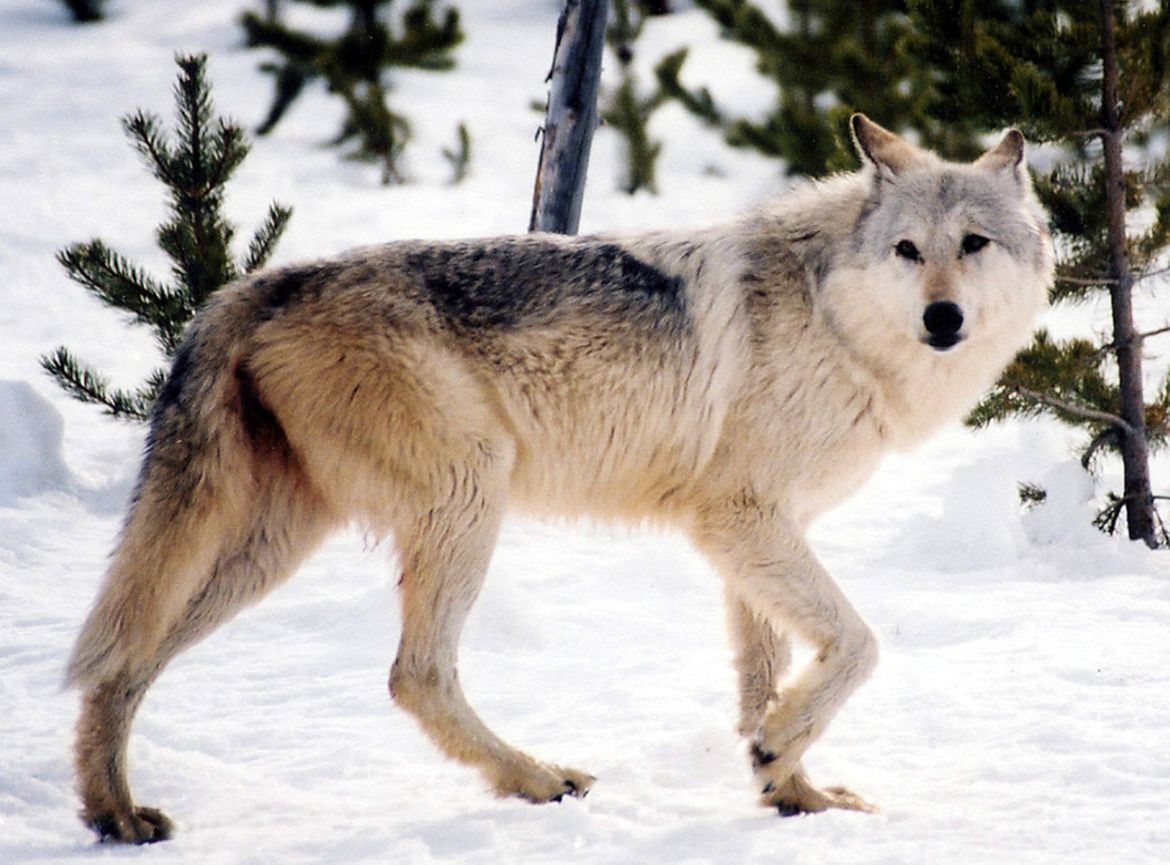
Few wildlife conservation efforts have been as controversial as that of the grey wolf in the Northern Rockies. Federal efforts to protect the wolf have clashed with state efforts to control wolf populations and protect livestock and game from predation by wolf packs.
Idaho and Montana have been given federal authority to manage wolf numbers using public hunts. Federal officials require Idaho to maintain a population of at least 150 wolves and 10 breeding pairs.
Idaho wildlife officials have boosted bag limits, expanded trapping and extended hunting seasons in some areas to help further reduce wolf populations in all corners of the state. Its 10-month wolf season runs until June.
Idaho’s wolf managers estimated 500 to 600 wolves roamed the state as of spring 2012, down from the more than 1,000 when the 2011 hunting season opened in August.
Hunters and trappers killed 364 wolves since the 2011 season opened, while dozens more wolves have died of natural causes or been killed for preying on livestock or targeted as part of a strategy to lessen impacts on specific elk herds in the state.
A federal appeals court in March rejected a lawsuit from conservation groups that wanted to block wolf hunts across the Northern Rockies. The ruling from a three-judge panel of the 9th U.S. Circuit Court of Appeals said Congress had the right to intervene when it stripped protections from wolves in spring 2011.
Lawmakers stepped in after court rulings kept wolves on the endangered list for years after they reached recovery goals. Wildlife advocates claimed in their lawsuit that Congress violated the separation of powers by interfering with the courts. But the court said Congress was within its rights, and that lawmakers had appropriately amended the Endangered Species Act to deal with Northern Rockies wolves.
There are more than 1,700 wolves in Montana, Idaho, Wyoming and expanding populations in portions of Eastern Washington and northeastern Oregon. Wolf hunting could resume in Wyoming this fall.
In parts of Montana, ranchers and local officials frustrated with continuing attacks on livestock have proposed bounties for hunters that kill wolves. Montana wildlife officials said they will consider ways to expand hunting after 166 wolves were killed this season, short of the state’s 220-wolf quota.
Wolves once thrived across North America but were exterminated across most of the continental U.S. by the 1930s, through government sponsored poisoning and bounty programs.
Wolves were put on the endangered list in 1974. Over the last two decades, state and federal agencies have spent more than $100 million on wolf restoration programs across the country. There are more than 4,500 of the animals in the upper Great Lakes and a struggling population of several dozen wolves in the Desert Southwest.
Prior lawsuits resulted first in the animals’ reintroduction to the Northern Rockies and then later kept them on the endangered list for a decade after the species reached recovery goal of 300 wolves in three states.
The U.S. Fish and Wildlife Service is monitoring the hunts. But agency officials have said they have no plans to intervene because the states have pledged to manage wolves responsibly.
Federal officials have pledged to step in to restore endangered species protections if wolf numbers drop to less than 100 animals in either Montana or Idaho.
Even without hunting, wolves are shot regularly in the region in response to livestock attacks. Since their reintroduction, more than 1,600 wolves have been shot by government wildlife agents or ranchers.
Latest updates in this topic
Idaho Fish and Game moves to expand wolf hunting, trapping season
Less than a week after an Idaho lawmaker proposed “wolf-free zones” and year-round wolf hunting seasons, the Idaho Fish and Game Commission has
Idaho agency wants to spend $408,000 a year to count wolves
Idaho’s top wildlife official on Tuesday requested authorization from state lawmakers to spend $408,000 to count wolves.
Investigation: Ferry County range riders were in Spokane when they were supposed to be patrolling
Washington’s wildlife agency is recommending second-degree theft charges be filed against several contract employees tasked with keeping wolves from killing cattle in northeast Washington.
25 years later: Politics, myths and the reintroduction of wolves to Yellowstone
In the same year that Yellowstone National Park marks the 25th anniversary of
Collared Washington wolf legally killed in Idaho
A collared wolf from the Stranger pack in Washington wandered into Idaho and was legally killed, the Washington Department of Fish and Wildlife reported Monday.
Judge dismisses two of three wolf-related claims against WDFW
On Friday, a King County Superior Court judge dismissed two of three claims against the Washington Department of Fish and Wildlife in a case filed in August 2019, according to …
Two Yellowstone wolf pups killed by vehicle; habituation to blame, biologist says
A Yellowstone National Park male and female wolf pup were killed by a vehicle in November and a park official is blaming some park visitors for making them less afraid …
Wolf advisory meeting scheduled
The next Washington Wolf Advisory meeting will be Jan. 8 and 9 in Tumwater.
WDFW responds to Gov. Jay Inslee’s request to kill fewer wolves
The Washington Department of Fish and Wildlife responded to a request from the Governor to kill fewer wolves, last week.
Judge dismisses parts of 2018 wolf lawsuit
On Nov. 1, a Thurston County Superior Court judge dismissed three of four claims against the Washington Department of Fish and Wildlife in a case filed by the Center for …
Fewer Yellowstone wolves equals no wolf-on-wolf deaths
For the first time in 24 years, Yellowstone National Park’s wolf project staff found no evidence in 2018 of wolves killing each other.
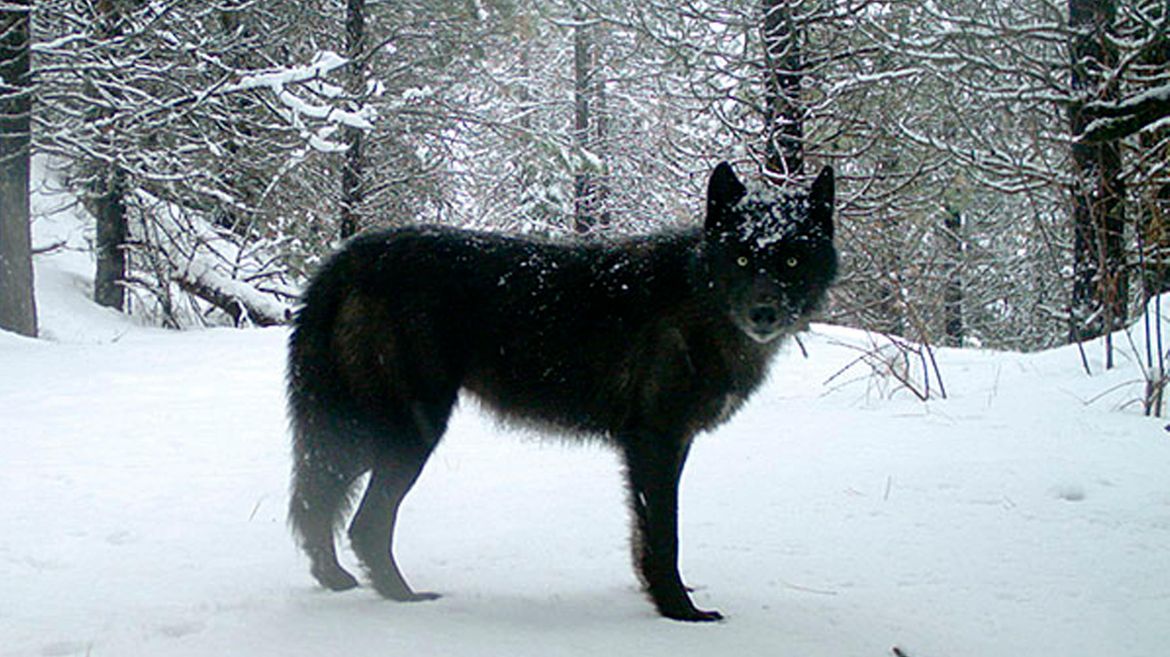
WDFW extends wolf comment period
The chance to comment on how Washington’s gray wolves should be managed once they are no longer a state endangered species has been extended until Nov. 15.
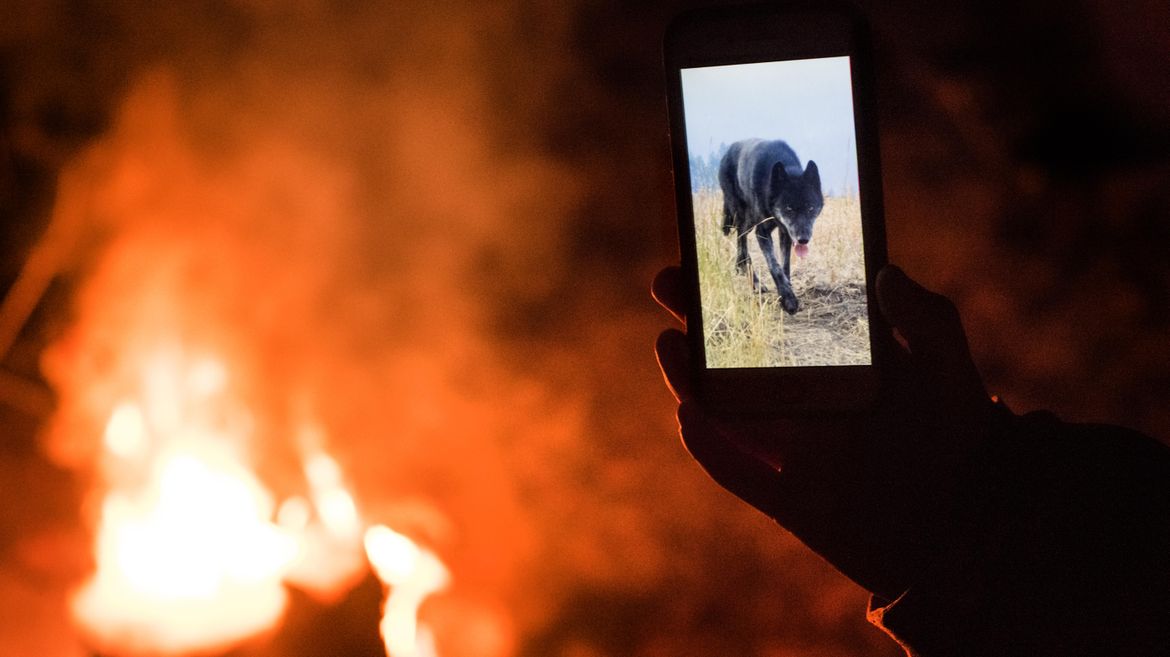
The Cowboy Whisperer: Ferry County range rider works to build understanding in Washington wolf country
Wolves are thriving in Washington, with their populations growing an average of 28% per year. But tolerance for wolves is, in Daniel Curry’s view, on the ropes. And every time …
WDFW commission will consider wolves, cougars, bears, fish
The Washington Fish and Wildlife Commission is scheduled to hear updates on wolf, cougar and bear management, and a number of proposed revisions to fishing regulations on Friday and Saturday.
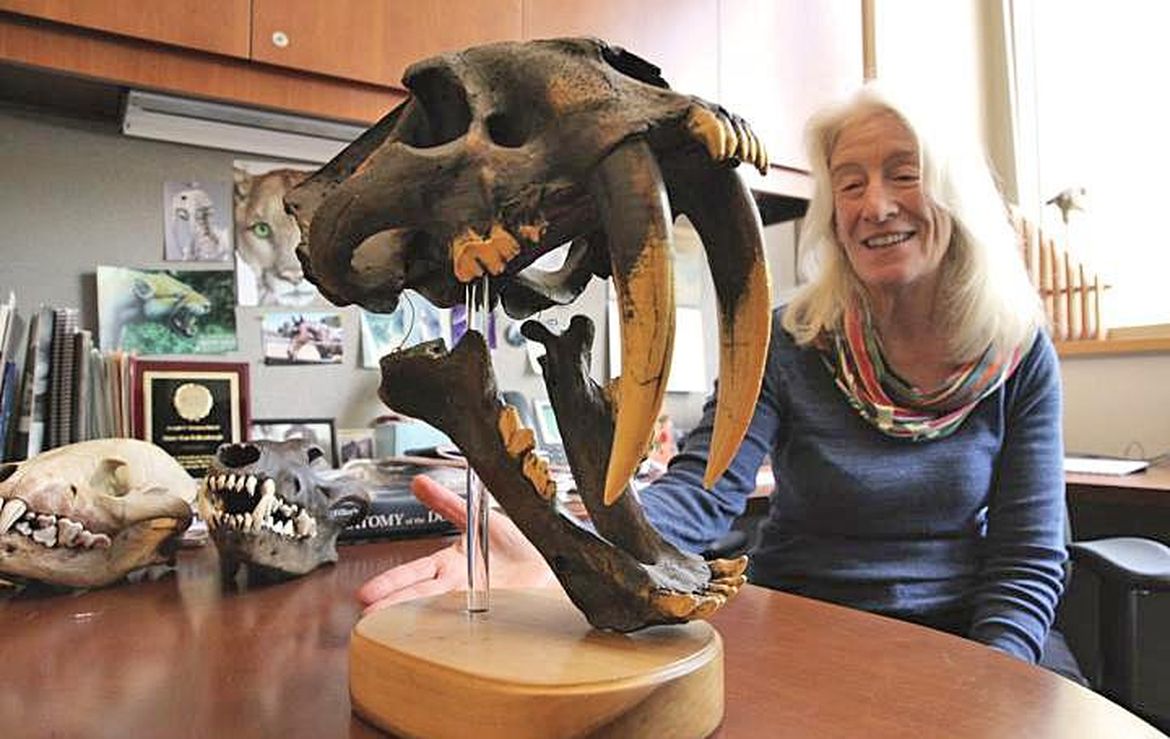
Broken Yellowstone wolf teeth reveal theory about ice age extinctions
This may be a tale that only dentists can appreciate, but the teeth of dead Yellowstone wolves are helping scientists understand the life of predators more than 11,000 years ago.
State kills female wolf in Grouse Flats pack
Just days after Gov. Jay Inslee asked that fewer wolves be killed, wildlife officials announced they’d removed a member of the Grouse Flats pack.

Inslee asks Washington wildlife agency to kill fewer wolves, pursue new management methods
“We must find new methods to better support co-existence between Washington’s livestock industry and gray wolves in our state,” Inslee said in the letter. “The status quo of annual lethal …
Washington officials to kill wolves in Grouse Flats pack
Members of the Grouse Flats wolf pack, in Southeast Washington, will be killed by state wildlife officials.
Dr. Kim Thorburn: Washington Department of Fish and Wildlife fulfills mandate
The mandate of the Washington Department of Fish and Wildlife is to preserve, protect and perpetuate the state’s fish and wildlife. It is an awesome and daunting responsibility.

Retired Spokane-area coach, teacher joins wolf advisory group
A well-known Spokane-area cross country coach is the newest member of a group tasked with guiding and directing wolf policy in Washington.
Hunting hot topic at online wolf management meeting
Hunting was on the minds of those that tuned into a virtual open house about wolf management on Tuesday.
Study suggests monogamous wolves make better parents
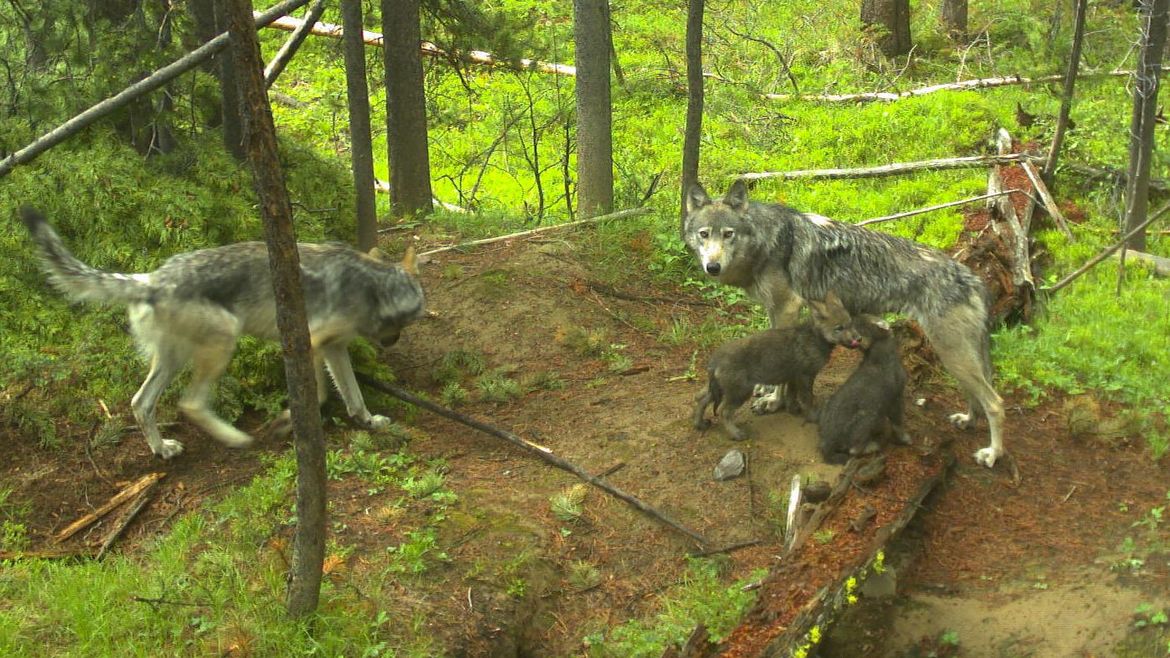
Wolf pups with monogamous parents are more likely to survive, according to new research from the University of Idaho.
Sophia Ressler: Cruel Washington wolf killing also wastes taxpayer money
The Washington Department of Fish and Wildlife has wasted millions in taxpayer dollars to create wolf management policies it has chosen not to follow.
Grouse Flats wolves kill calf on private land
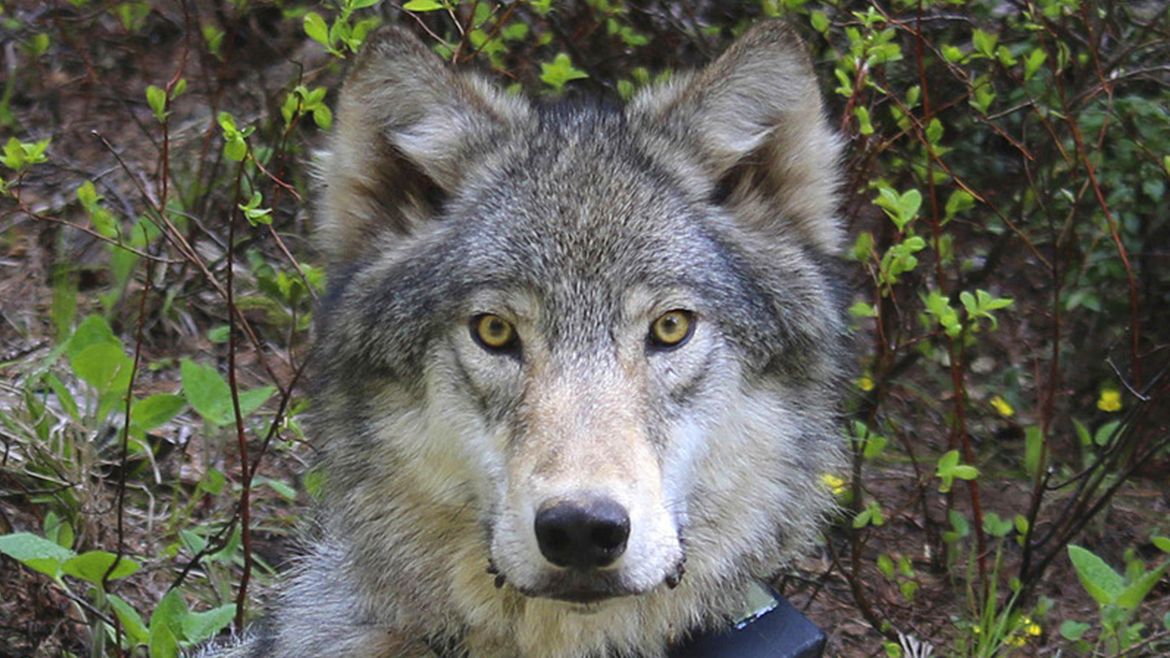
The Grouse Flats wolf pack in Garfield County has been credited with killing a 450-pound calf on Aug. 30, according to a Washington Department of Fish and Wildlife news release.
After threats of violence, online wolf post-recovery meetings scheduled
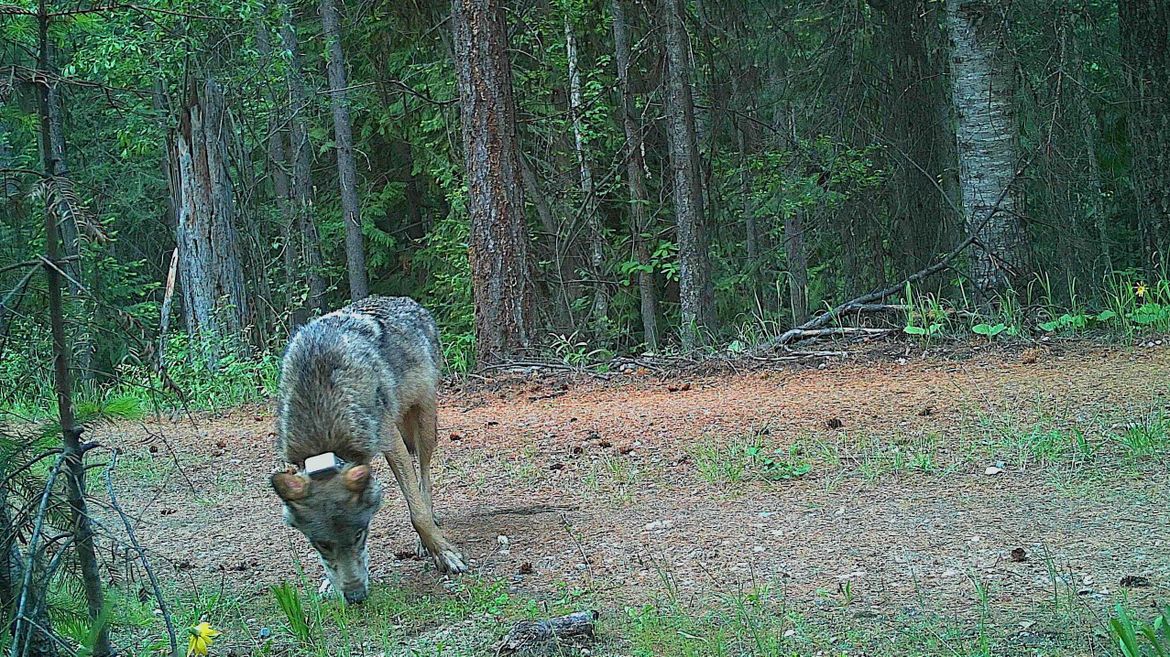
The Washington Department of Fish and Wildlife will host three online meetings to discuss how to manage wolves once they are fully recovered and delisted.
Sue Lani Madsen: Reward offer shows ranchers’ frustration with wolf issue
Someone has been shooting cows from the road in Stevens County, according to the Stevens County Cattlemen’s Association. But the cattlemen’s shooting charge is hard to prove, and there’s no …
WDFW Commission holding wolf meeting
The Washington Department of Fish and Wildlife commission will hold a special meeting at 8 a.m. Tuesday.
No Togo wolf deaths, for now
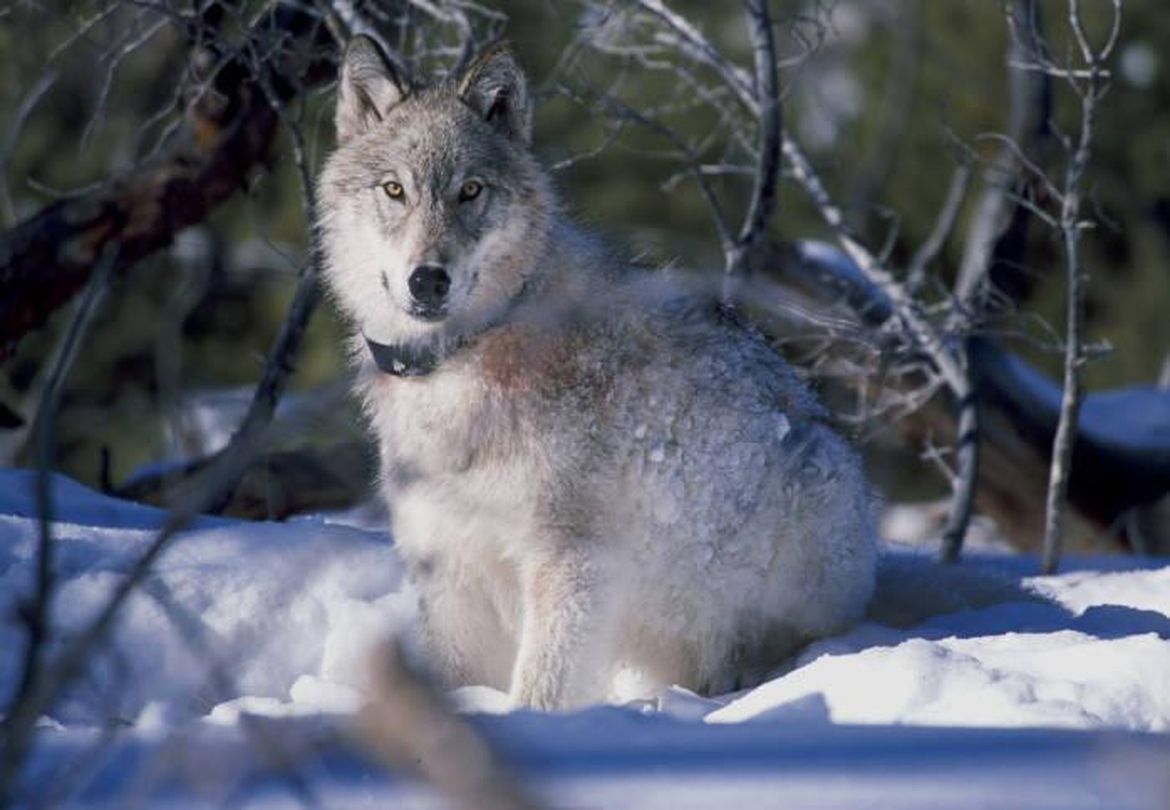
No members of the Togo wolf pack have been killed by Washington wildlife officials, yet.
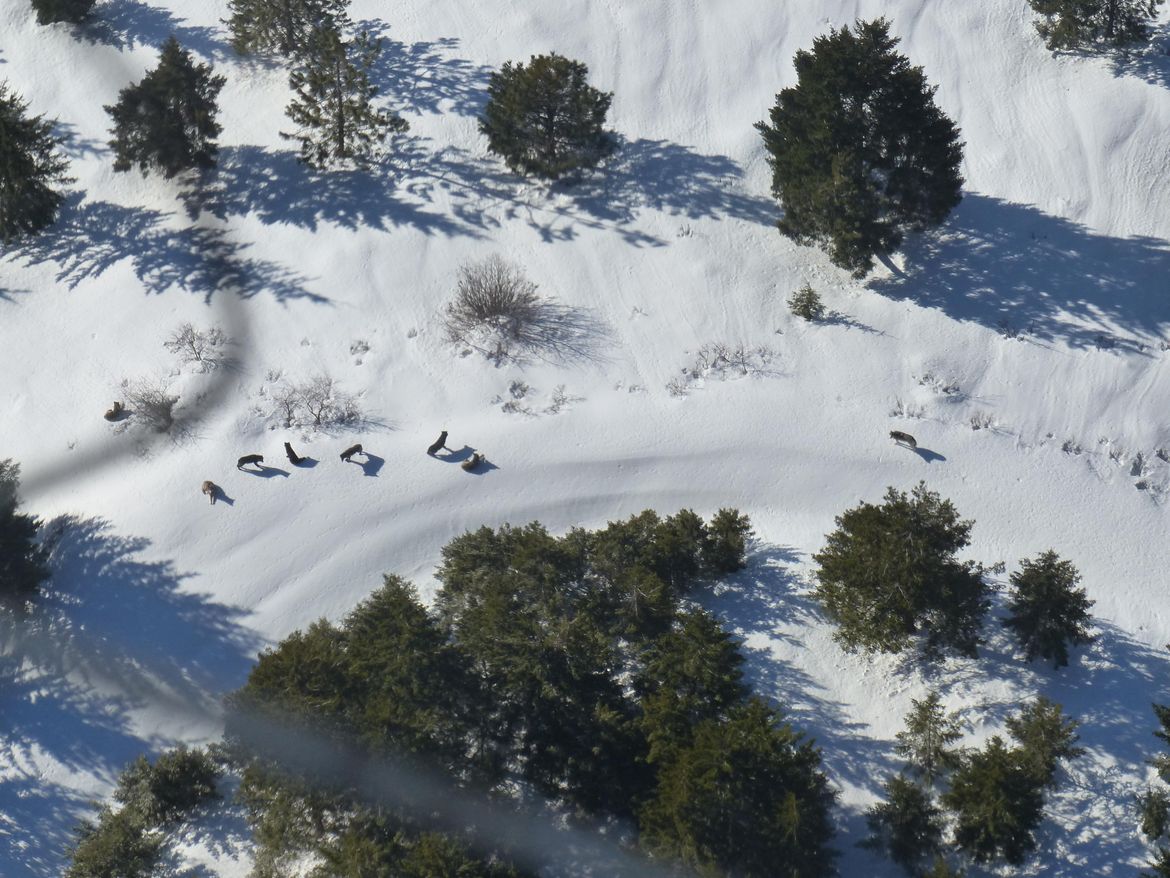
Washington wolf issues are heated, but experts urge perspective
Julia Smith is a relative newbie when it comes to Washington’s wolf issues.
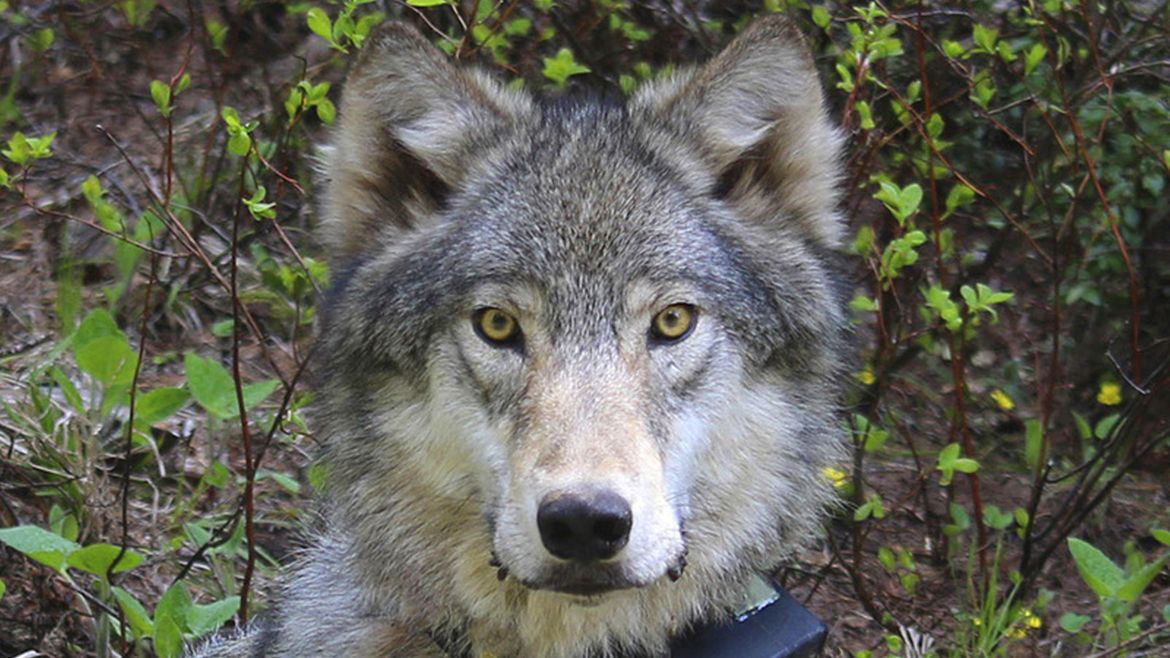
Statewide wolf meetings, including one in Spokane, canceled after threats of violence
Fearing violence, the Washington Department of Fish and Wildlife has canceled a series of 14 wolf-related meetings.
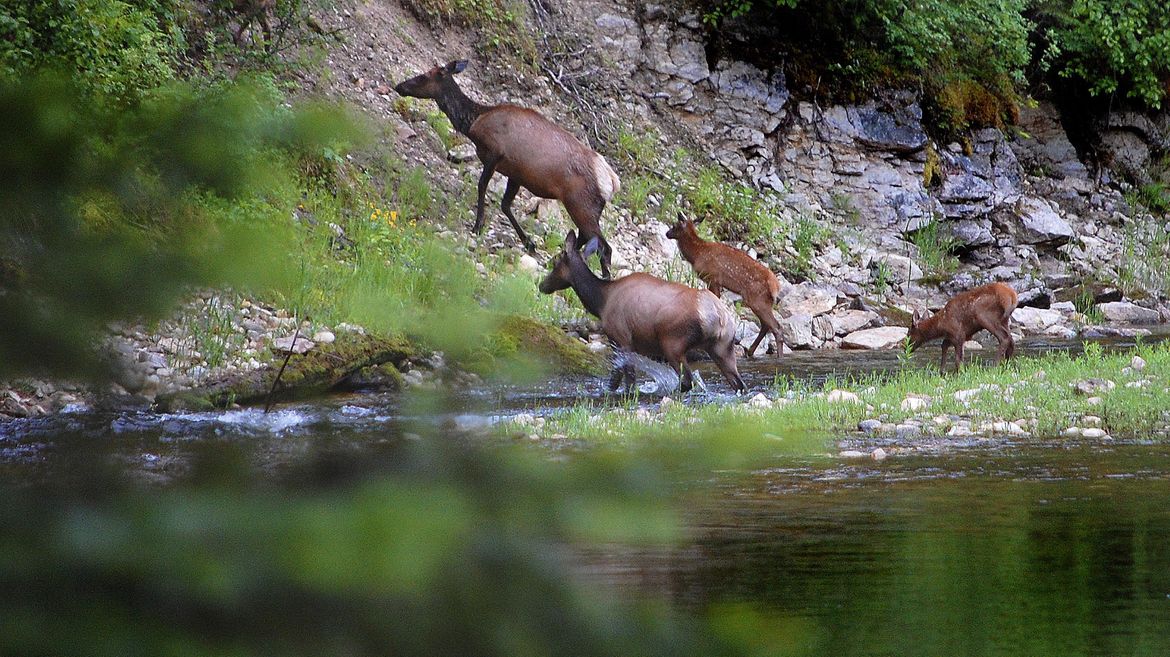
Study: Elk can be just as good at avoiding cougars and wolves as they are at hiding from hunters
Elk are crafty creatures. Just ask any elk hunter.
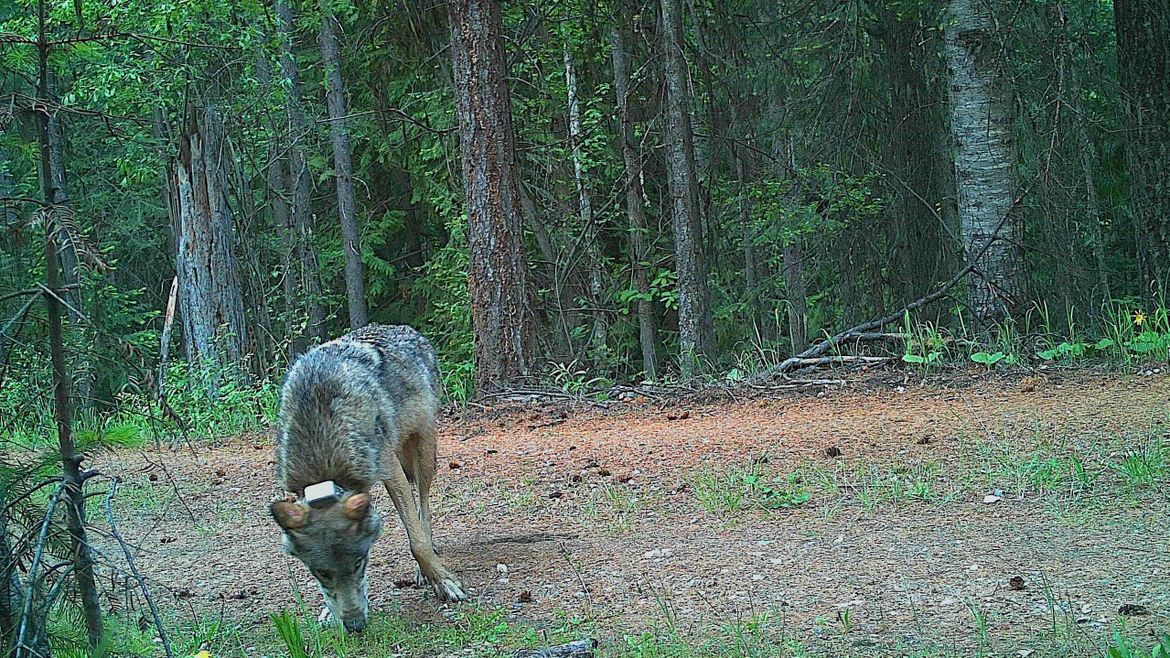
Judge declines to block killing of more wolves in the Kettle River Range of Ferry County
A judge declined to block the killing of more wolves in the Kettle River Range of Ferry County, Thursday.