

Arrow-right Camera
The Spokesman-Review Newspaper
Spokane, Washington  Est. May 19, 1883
Jesse Tinsley

Jesse Tinsley

Current Position: photojournalist

Jesse Tinsley joined The Spokesman-Review in 1989. He currently is a photojournalist in the Photo Department covering daily news and shoots drone photography.

Highlights

  • Keeping memories alive: Greg Jensen stands and salutes as taps is played Monday during military honors offered at the chapel nearby at the Washington State Veterans Cemetery in Medical Lake. Jensen, a Vietnam-era veteran of the Air Force, goes to the cemetery almost every day with his lawn chair and a Bible to visit the grave of his wife of 42 years, Estrella. “It’s been 16 months and I miss her every day,” he said. Indoors, a handful of veterans and a few family members read the names of veterans who died without a military funeral, said prayers and folded a flag, followed by a gun salute and taps.

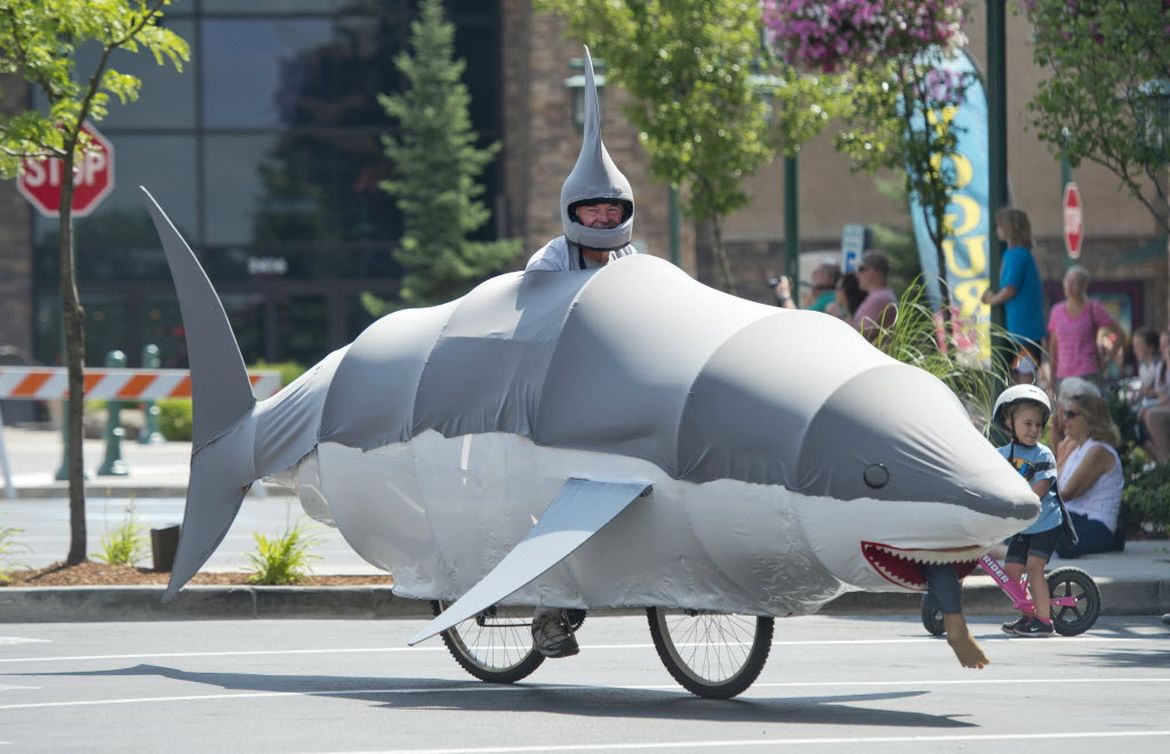
  • Ross Welburn of Hayden rides his shark cycle in the parade at Kinetic Fest, a daylong celebration of moving sculpture and human-powered transportation Saturday at the Riverstone development in Coeur d'Alene Sunday, July 12. Welburn created the frame from wood and plastic pipe and covered it with plastic.

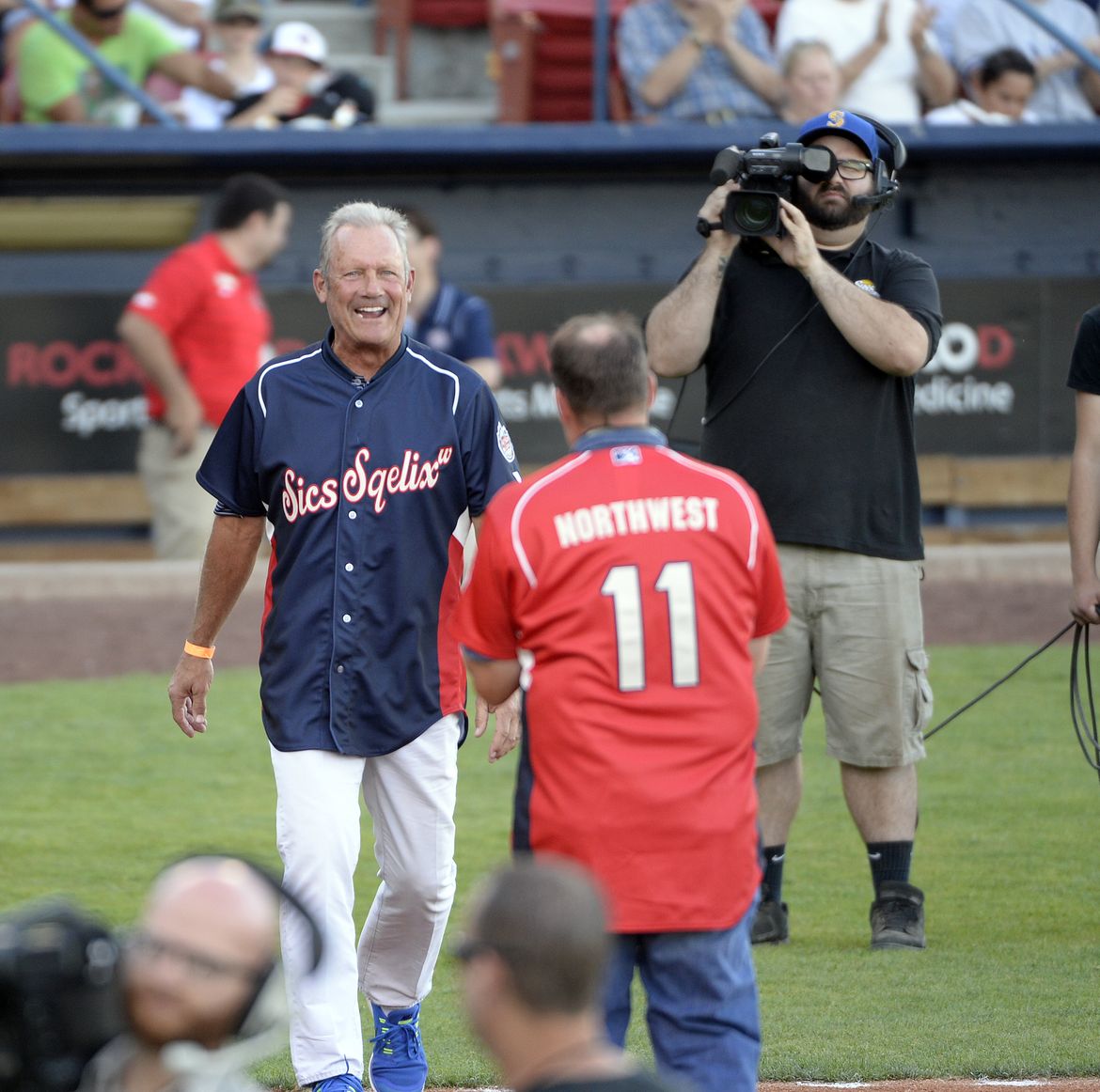
  • Baseball great George Brett meets with Mike Redmon before the Northwest League-Pioneer League All-Star Game.

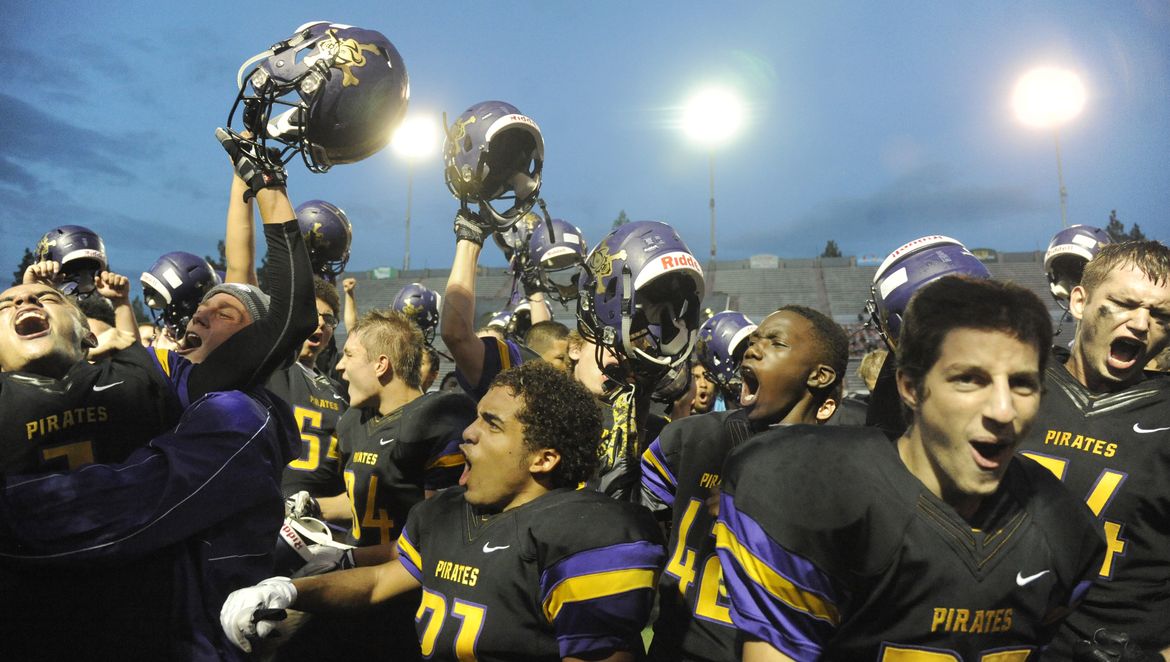
  • Rogers players celebrate after beating West Valley. The Pirates have two victories – back to back – for the first time since 2011.

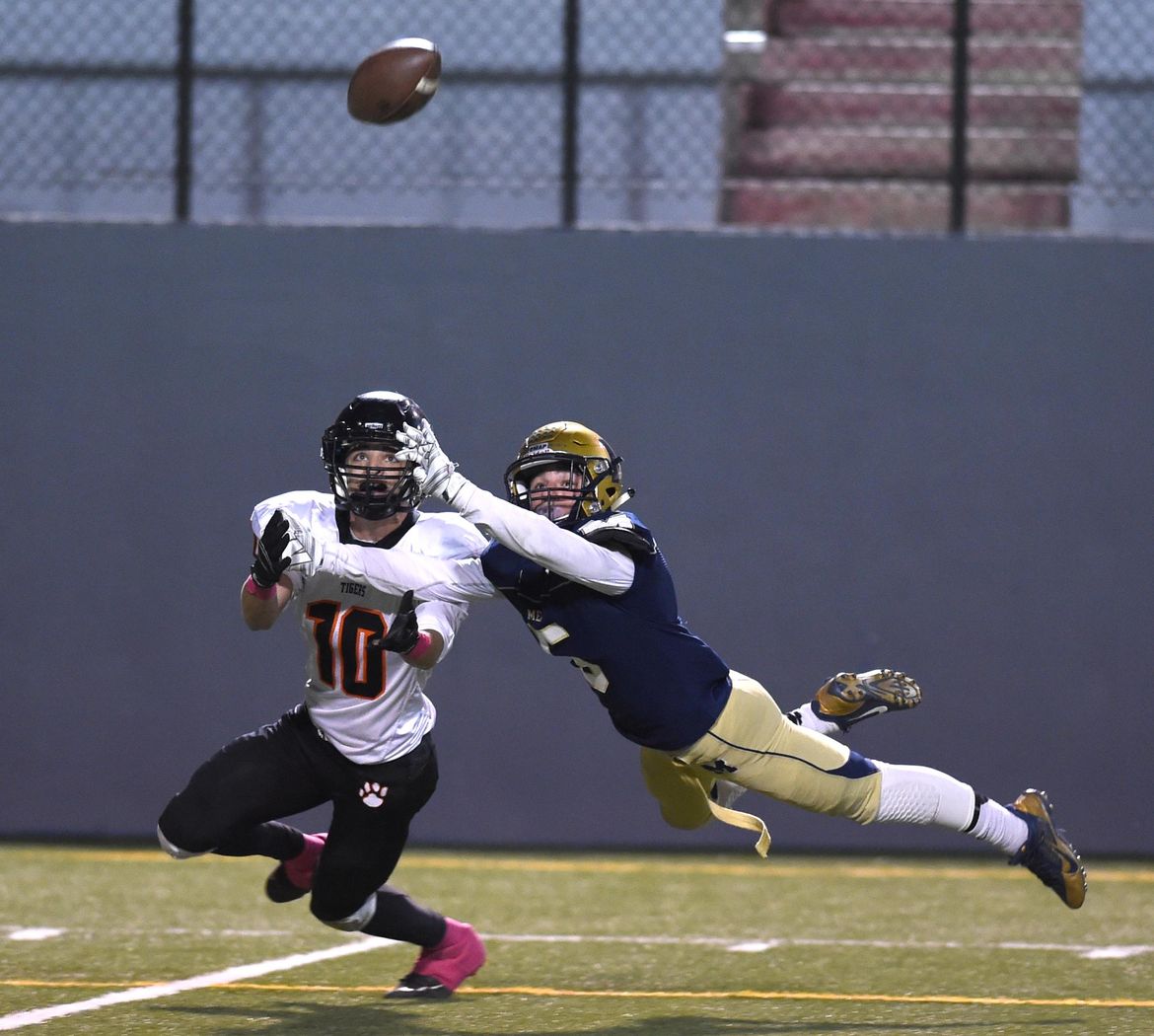
  • Lewis and Clark receiver Leo Haghighi, left, hovers over the goal line and makes a diving touchdown catch past the outstretched arms of Mead's Beau Skinner, right, the LC's first score of the game in the first half, Friday, Oct. 30, 2015, at Joe Albi Stadium.

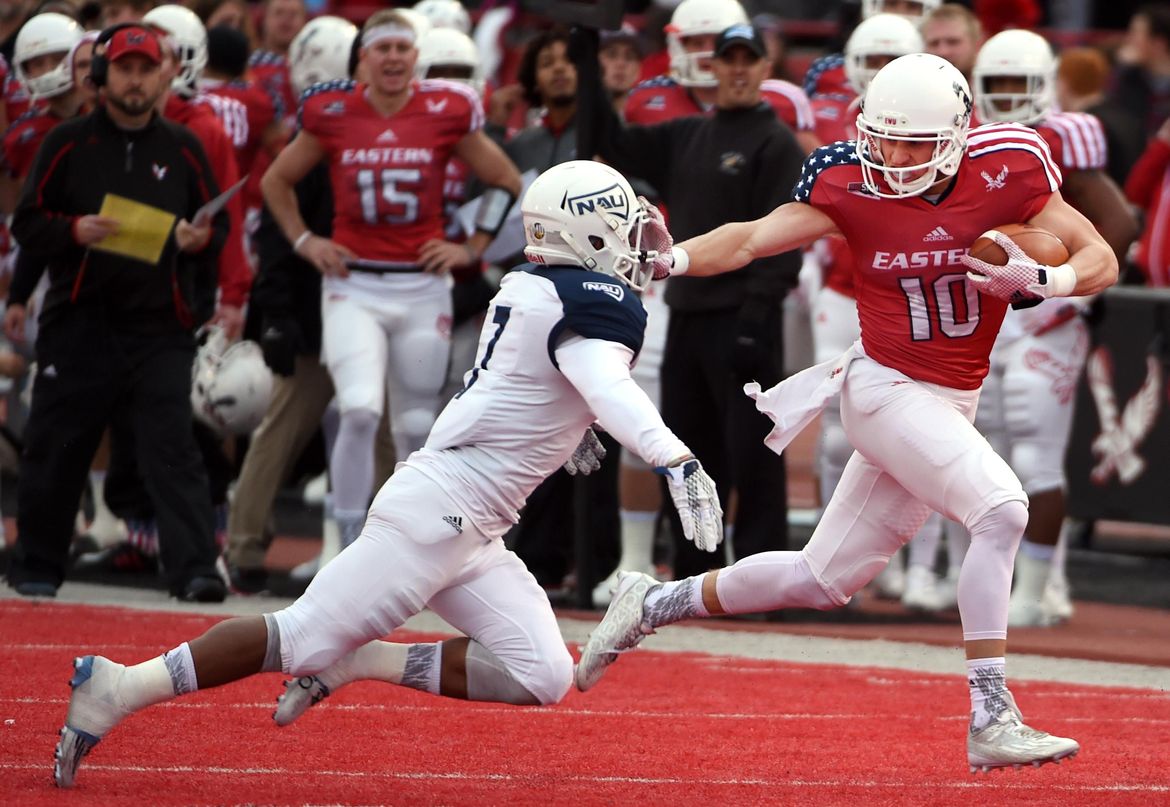
  • Eastern Washington standout receiver Cooper Kupp scampers for a few more yards while straight-arming Northern Arizona’s Eddie Horn (7) in the first half Saturday, Nov. 7, 2015 at EWU’s Roos Field.

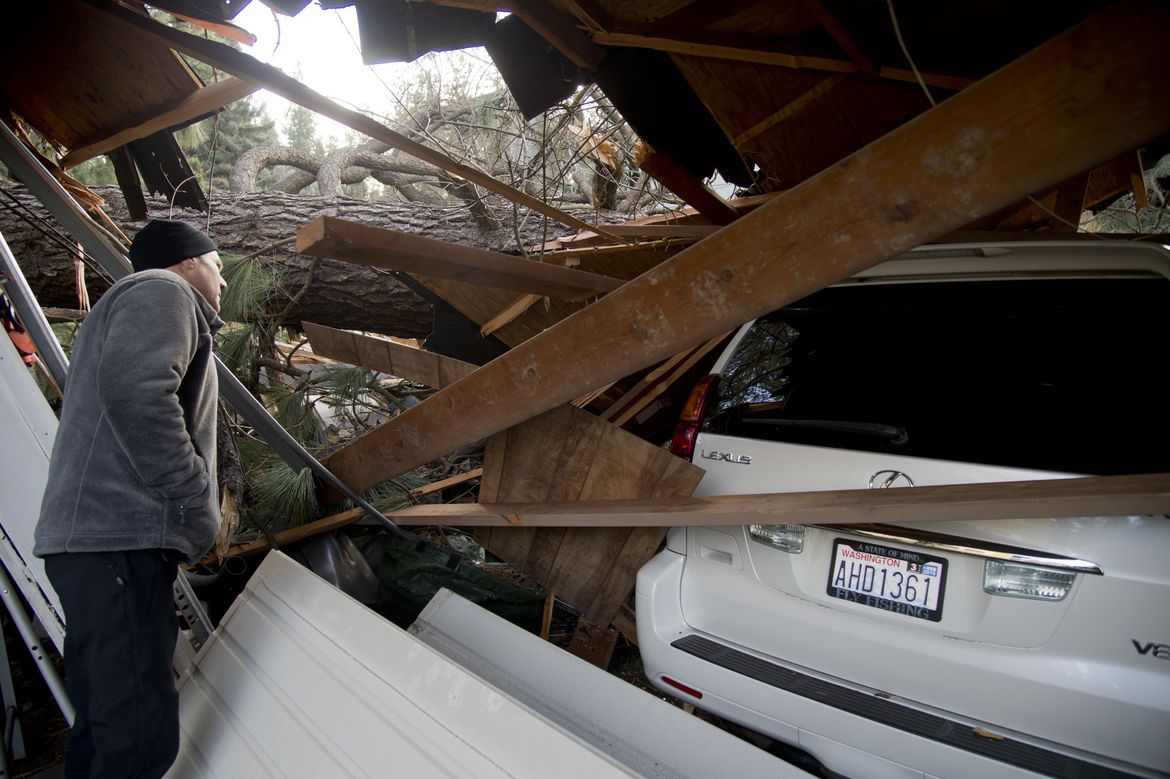
  • Matt Van Vleet, who lives on 18th Ave., east of Bernard, surveys the damage to his garage and two cars from a neighbor's tree, Wednesday, Nov. 18, 2015. Another car now shown, a Subaru, was purchased only a week ago.

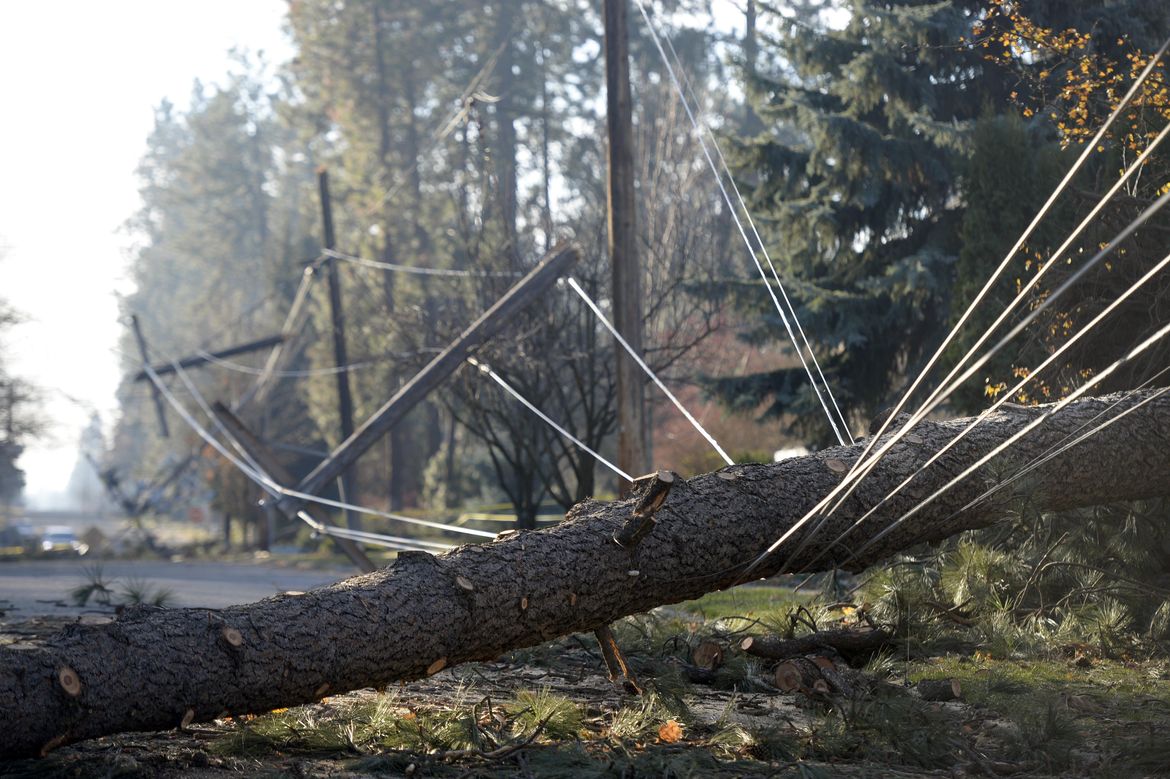
  • South Arthur Street between 27th and 28th avenues remained blocked Saturday by fallen power poles, lines and trees.

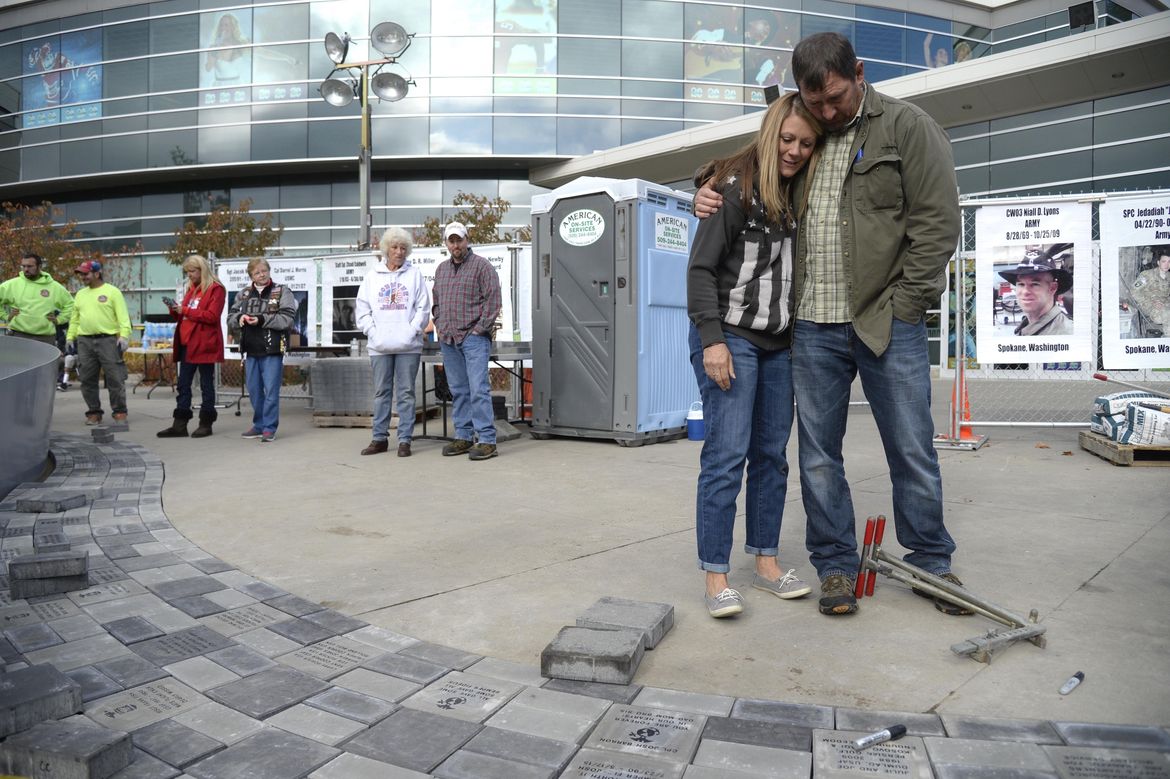
  • Michele and John Barron stand quietly after laying a paving stone inscribed with their son's name in the walkway surrounding the new memorialoutside the Spokane Veterans Memorial Arena on Tuesday, Oct. 27, 2015. Josh Barron, a U.S. Marine, was killed in the crash of a V-22 Osprey aircraft in Hawaii in May 2015.

All Stories

News >  Spokane

Then and Now: Central Pre-Mix

William Murphy, originally from Grand Rapids, Michigan, formulated an idea for a business while running a steam shovel on Snoqualmie Pass in the 1920s. His family lived in a boxcar while he was on the job site. The stock market crash was reverberating through the economy when he settled on Spokane.

Then and Now: City crematory

In early Spokane, trash disposal quickly became a problem. Citizens were alarmed that some people were dumping their garbage into the Spokane River. City leaders were urged to step in, even though they were loath to burden taxpayers with another city department.
News >  Spokane

Then and Now: Felts Field

The first airmail flights were in 1918 along the eastern seaboard. Congress passed the Kelly Act to authorize the U.S. Post office to contract with private companies to design and fly airmail routes. Before Felts Field was designated as Spokane’s airport, daring barnstormers landed wherever they could.
News >  Spokane

Then and Now: Cleanup Week

At the 1905 Lewis and Clark exposition in Portland, Oregon, Spokane representatives Frank W. King and Roland Waltz saw a display from Western Washington that included a lighted sign reading “Watch Tacoma Grow.”

Test Story

Test story body text
News

Then and Now: Union Bus Depot

As transportation evolved from horseback and stagecoach to streetcars, regional electric trains and buses, the operators had to find a place for their passengers to wait for their ride.
News

Then and Now: Manito Park

In 1887, the city of Spokane granted a franchise to the pioneer newspaper editor and businessman Francis Cook and his partners in the Northwestern Land Company to operate the Spokane and Montrose Motor Railroad. Construction began in the spring of 1888.
Opinion >  Column

Then and Now: Front Street

Spokane Falls Boulevard was once called Front Street, a name bestowed by Spokane pioneer James Glover in the late 19th century. 
News >  Spokane

Then and Now: Great Northern Freight Office

In early Spokane, it’s hard to over emphasize the role of the railroad freight office in the world of business. If you manufactured something, sold products or needed to purchase an item, you had to pay the railroad to move it, haul it to your customer or bring it to you.
News >  Spokane

Then and Now: Bernard and Riverside

Although there were wood-frame buildings on the corner before the great fire of 1889, the lots west of the 1910 Realty Building, which is now the Delaney Apartments, and the corner were rebuilt with single-story brick storefront buildings housing cafes, taverns, auto tire repair shops, laundries, a hat cleaning service and one of Spokane’s first pet stores.
News >  Spokane

Then and Now: Riverfront Park dedication

That celebration came almost two decades after city boosters had begun planning for a celebration of the centennial of the first white settlement, established around 1873. Spokane Unlimited, Inc. was formed to organize the festival, which a consultant recommended be a world’s fair themed to the environment.
News >  Pacific NW

Then and Now: Maplehurst Apartments

In 1908, Dr. Thomas L. Catterson built a three-story-plus-basement apartment block on the southwest corner of Fourth and Maple Street and named it the Geneva Apartments, after his hometown.
News >  Spokane

Then and Now: Downtown Sears building

As one of many new brick-and-mortar outlets, the first Spokane store opened in 1930 at 906 W. Main Ave. The bright, white modern building with a central tower in art deco style contrasted with the stodgy brick department stores that came before.
News >  Spokane

Then and Now: Downtowner Motel

Gerald O. “Jerry” Larson was raised in North Dakota and moved to the Northwest in 1938. He was a door-to-door salesman, a construction worker and served in the Army Air Corps Reserve during World War II. He arrived in Spokane in 1951 and continued in the construction industry.
News >  Spokane

Then and Now: The Rookery

From 1890 until the buildings were demolished in 1933, four interconnected buildings wrapped around the southeast corner of Howard Street and Riverside Avenue were simply called the Rookery, the word for a colony of birds’ nests.
News >  Spokane

Then and Now: High Bridge Park

High Bridge Park was the name given in 1913 to the area that follows Latah Creek from Vinegar Flats, south of Interstate 90, to where the creek meets the Spokane River.
News >  Spokane

Then and Now: Downtown’s former Crescent Block

Spokane Dry Goods, later renamed The Crescent, opened in 1889 and grew rapidly. Around 1899, the store moved to the 700 block of Main Avenue and connected to a new three-story block facing Riverside. Advertisements in the early 1900s proclaimed The Crescent as “Spokane’s Greatest Store."
News >  Spokane

Then and Now: Cheney Interurban depot

Demand for commuter train access between Spokane and the West Plains accelerated in 1907, as the state college had become one of the largest teacher-training colleges in the Northwest. 
Opinion >  Column

Then and Now: Galland Hall

Most of the funding came from the estate of Julius Galland (1860-1926), a businessman who made a fortune in real estate and beer brewing, but never had children. His estate funded many charities related to children and education.