
Storm sends mud, debris into water lines

A powerful storm recently sent torrents of mud, ash and vegetation into the creek that supplies water to Bonners Ferry, Idaho, but crews have been able to clear the sludge and the water system is again working, said Mayor Darrell Kerby.
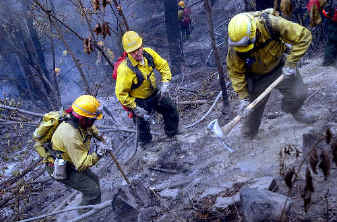
The steep slopes of the Myrtle Creek Valley went up in smoke nearly a year ago after a human-caused wildfire. Even as the embers were cooling, the U.S. Forest Service began an ambitious effort to protect the watershed from erosion that often follows a forest fire. The valley is about eight miles west of town and drains out of the Selkirk Mountains.
The remediation project cost more than $1.2 million and involved planting thousands of seedlings, rebuilding roads and dropping 1,000 tons of straw bales on the slopes. It seemed to be working. Fall rains, winter snows and spring runoff passed with barely a bump in the new silt monitors installed near the water supply intake pipes.
“We thought we were footloose and fancy free,” said Forest Service Engineering Technician Ned Davis.
The recovering slopes couldn’t handle an Independence Day torrent, however. Electronic monitors recorded close to 2 inches of rain and hail falling in two hours. The heavy hail hit the ground hard enough to penetrate and loosen the fragile soils. Minor landslides hit some areas. Newly installed culverts also backed up after being clogged with debris.
A water quality monitor installed after the fire worked well, Mayor Kerby said. “It shut the valves off in time that we avoided filling the system full of sludge.”
The city began drawing water from a backup source on the nearby Kootenai River. Five days after the storm, most of the damage had been cleared and the Myrtle Creek intake was again pulling water, Kerby said.
“We’re still skating with our fingers crossed,” Kerby said. “Hopefully we’re late enough into summer now that the eroded areas will have an opportunity to seed back in.”
Kerby believes the weather event was a “freak” storm, one that might occur only once every 200 or 300 years. Until now, though, there has been no monitoring of the precipitation in the drainage. North Idaho is peppered with unusual microclimate systems, with some drainages sopping wet and others protected by mountainous rain shadows.
Most of the replanted slopes along Myrtle Creek were able to withstand the heavy rain and hail, said Davis, with the Forest Service. New grass and trees are now knee-high. Much of the greenery sprouted from seeds contained in the wheat straw bales dumped on the forest.
“We’ve got a huge stand of wheat up there,” Davis said.
The Spokane-based Lands Council continues to try and draw attention to the site as an example of what it considers irresponsible management by the Forest Service. The fire was caused by a human, but its intensity was fueled by slash from a recent timber sale, said Rein Attemann, coordinator for The Lands Council’s Forest Watch program. The conservation group would like to see an end to commercial logging on federal lands.
After the washout occurred, Attemann contacted members of the local media to reiterate charges that Myrtle Creek’s troubles should not be blamed on weather events, but on the logging that preceded the fire.
“It’s a cop-out,” he said. “Nature does its own thing.”
Forest Service and Bonners Ferry officials counter that logging is vital to the economy and can play an important role in maintaining forest health. Fire was inevitable in the drainage because 30 years of fire suppression efforts had multiplied the forest fuels, forest fire experts told The Spokesman-Review last fall.
Thinning tends to keep the fire on the ground and slows its spread, they said. The Myrtle Creek fire, however, was exacerbated by the extremely dry conditions and slash on the ground from logging, they acknowledged.