
Japan weds digital TV, cell phones
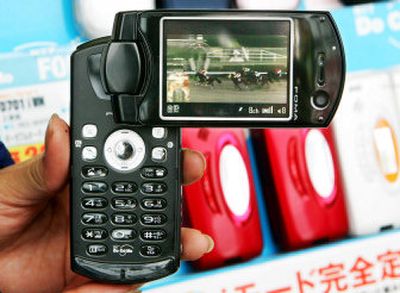
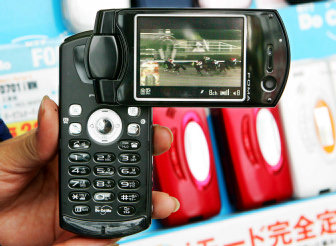
TOKYO – Japan’s 90 million cell-phone users already play video games, download songs, exchange messages, read news, trade stocks, store digital photos and surf the Web on their tiny screens.
Now, they’re doing something less tech-savvy and more mundane: watching TV.
Free digital TV broadcasts for portable devices equipped with special receivers began in Japan’s major urban areas last weekened, although people, for now, can watch only the same programs shown on regular television sets in living rooms.
Japan’s mobile TV technology isn’t all that innovative or even the first to market. But it does show promise for linkups with entertainment downloads and other new services in a country already used to relying on the omnipresent mobile phone for everything from searching the Web for restaurants to paying for that meal.
The new gadgets are essentially cell phones with antennas. They use an adaptation of digital broadcasts – the same ones that can be picked up by specially equipped digital television sets – rather than an Internet connection to relay video.
And these are not prepackaged video that can be downloaded on demand, the type already widely available around the world on many cell phones. Naturally, gadget-loving Japan is flooded with such services.
Nonetheless, proponents of the mobile TV technology believe it holds great potential in linking to electronic shopping and advertising. A viewer who sees an appealing outfit on an actress could be coaxed to access an electronic shopping link on the mobile phone. Or should a theme song appeal, mobile TV users could click to buy and download the music file.
That’s important because the mobile programming, for now, is no different from regular TV shows. Broadcasting regulations won’t permit special programming catering to mobile devices until 2008. Even then, licensing will be necessary, making it difficult for innovative newcomers to start making programs.
Hitoshi Mitomo, professor at Waseda University’s graduate school of global information and telecommunication studies, believes regulations here need to be changed to foster new businesses that will make TV on-the-go attractive and trendy.
Other nations offer mobile TV services, using different technologies. Nokia has been testing its technology in Germany, France and elsewhere, adapting terrestrial digital broadcast for mobile devices to prolong battery life, although it doesn’t offer such handsets in Japan. In South Korea, the signals get beamed via satellites.
In the United States, technology such as MobiTV, offered by Cingular, brings live TV to some phones and portable devices.