
Lay’s death may erase convictions
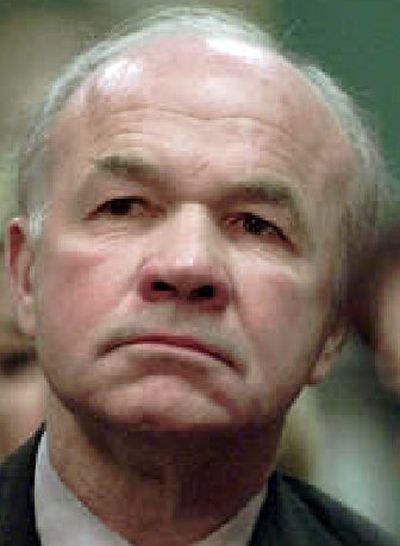
HOUSTON — The death of Enron Corp. founder Kenneth Lay will likely cause his conviction to be erased from the record, experts said Thursday.
The 64-year-old executive’s sudden death Wednesday from heart disease allows his lawyers to ask the court to vacate his conviction for fraud and conspiracy in Enron’s scandal that left thousands jobless and wiped out billions from investors.
What will become of his money and assets, however, is still unclear. If his conviction is erased, that would thwart the government’s effort to seize millions prosecutors say he gained from participating in Enron’s fraud.
The government wants $43.5 million. Prosecutors suggested he could apply his $5 million condominium and a $6.3 million investment toward that sum. During his criminal trial earlier this year, Lay said he has little else left and still owes his lawyers.
But his assets could remain targets in civil litigation from shareholders and others, including possibly the Justice Department. What if any assets would be targeted hasn’t been specified.
Lay and former Enron CEO Jeffrey Skilling were convicted May 25 of fraud and conspiracy for lying to investors and employees about Enron’s financial health before the company crashed into bankruptcy protection in December 2001.
Lay was convicted of six counts of fraud and conspiracy, and Skilling was convicted of 19 of 28 counts of fraud, conspiracy, insider trading and lying to auditors. In addition, U.S. District Judge Sim Lake convicted Lay in a separate trial of bank fraud and lying to banks in his personal banking.
Skilling is to be sentenced Oct. 23, and faces a government effort to seize nearly $140 million from him.
Roma Theus, vice chairman of the corporate integrity and white collar crime committee of the Chicago-based Defense Research Institute and a former federal prosecutor, said that because an appeal was pending, Lay’s convictions are abated.
“The law views it as though he had never been indicted, tried and convicted,” Theus said.
Without that, the government cannot continue its efforts to seize Lay’s assets through criminal courts, he said.
David Berg, a Houston civil litigator, said all that’s left is a bureaucratic process in which Lay’s attorneys can file court papers, with Lay’s death certificate, asking Lake to vacate the convictions. If Lake complies as expected, Lay would no longer be a felon.
“His lawyers will move to set aside the conviction, and it’ll be done. The slate is wiped clean,” Berg said.
Lay and Skilling are among defendants in a conglomerate of shareholder lawsuits.
When they were convicted, William Lerach, attorney for the lead plaintiff, the University of California, said the two men likely would be left with nothing for shareholders to recover because of the government’s aim to seize their assets.