
Exotic blooms have simple needs
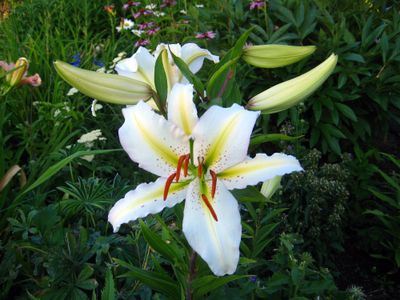
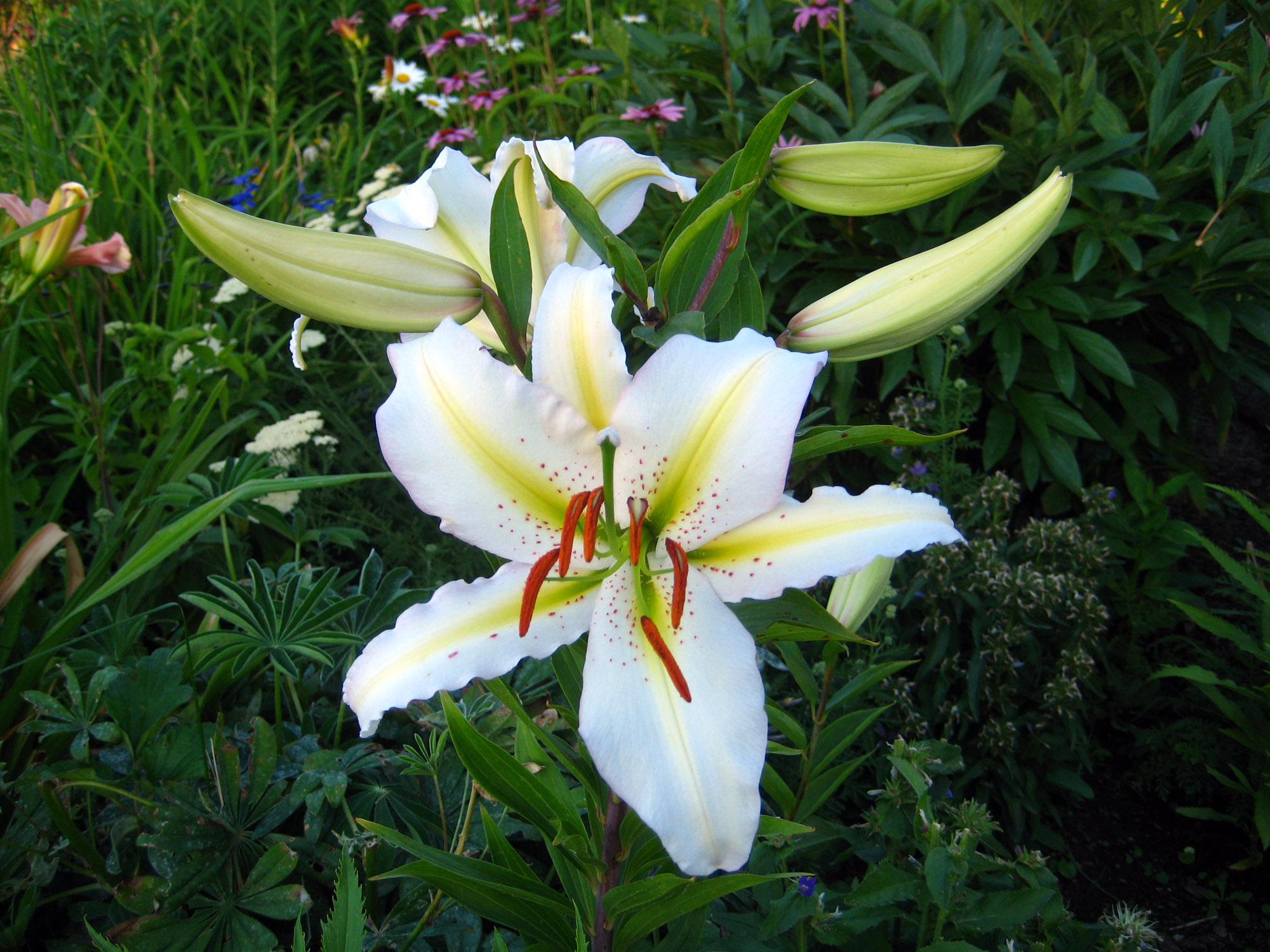
From their exotic appearance, one could easily think Oriental lilies are difficult to grow. Not so. If their simple needs are met, they will reward you with gorgeous blossoms year after year.
Gardeners are familiar with many other types of lilies such as Asiatic, Trumpet, species lilies and Orienpets – crosses between Orientals and Trumpets – but Oriental lilies are the most fragrant.
Available through local garden centers and mail-order companies, these perennial bulbs can be planted in the fall or spring. The bulbs are covered with large scales and should have any damaged sections removed before they are planted. They prefer acidic soil, which can be achieved by adding peat moss or ground sulfur. When preparing the soil, dig deeply in the area to a depth of about 12 inches and add organic material.
Plant the bulbs according to the package directions – usually 8 inches deep – and space them about 12 inches apart. For the best effect, plant clusters of three bulbs. Do not fertilize the bulbs at this time. Spread a thick layer of mulch on the soil surface because lilies prefer to have cool roots. The lilies can also be grown in containers. Good companion plants include phlox, delphiniums, coneflowers and bee balm.
The most important thing to remember about growing Oriental lilies is to never let the roots dry out completely. And because they don’t bloom until the hottest time of the year – between July and September – be sure to water them regularly throughout the growing season.
Now let’s talk about the blossoms. They have the most incredible, exotic, spicy scent and make wonderful cut flowers. They come in the most appealing colors that include all shades of pink, salmon, yellow and creamy white. Look out for the bright orange pollen on the anthers, though. It’s easy to end up with an orange nose after deeply inhaling their scent. Remove the anthers from cut flowers before bringing them indoors.
Oriental lilies can be transplanted at any time, although fall or spring is best. They can be propagated by peeling scales off the bulbs or by harvesting bulblets that form around the main stem.