
Harvest time
Crops have various ways of telling gardeners when they’re ready to pick
If this is your first vegetable garden, or if you’ve grown some new crops this year, it’s hard to know when the vegetables are ripe. Today, we’re going to take some of the mystery out of this.
Pick ’em while they’re young and tender
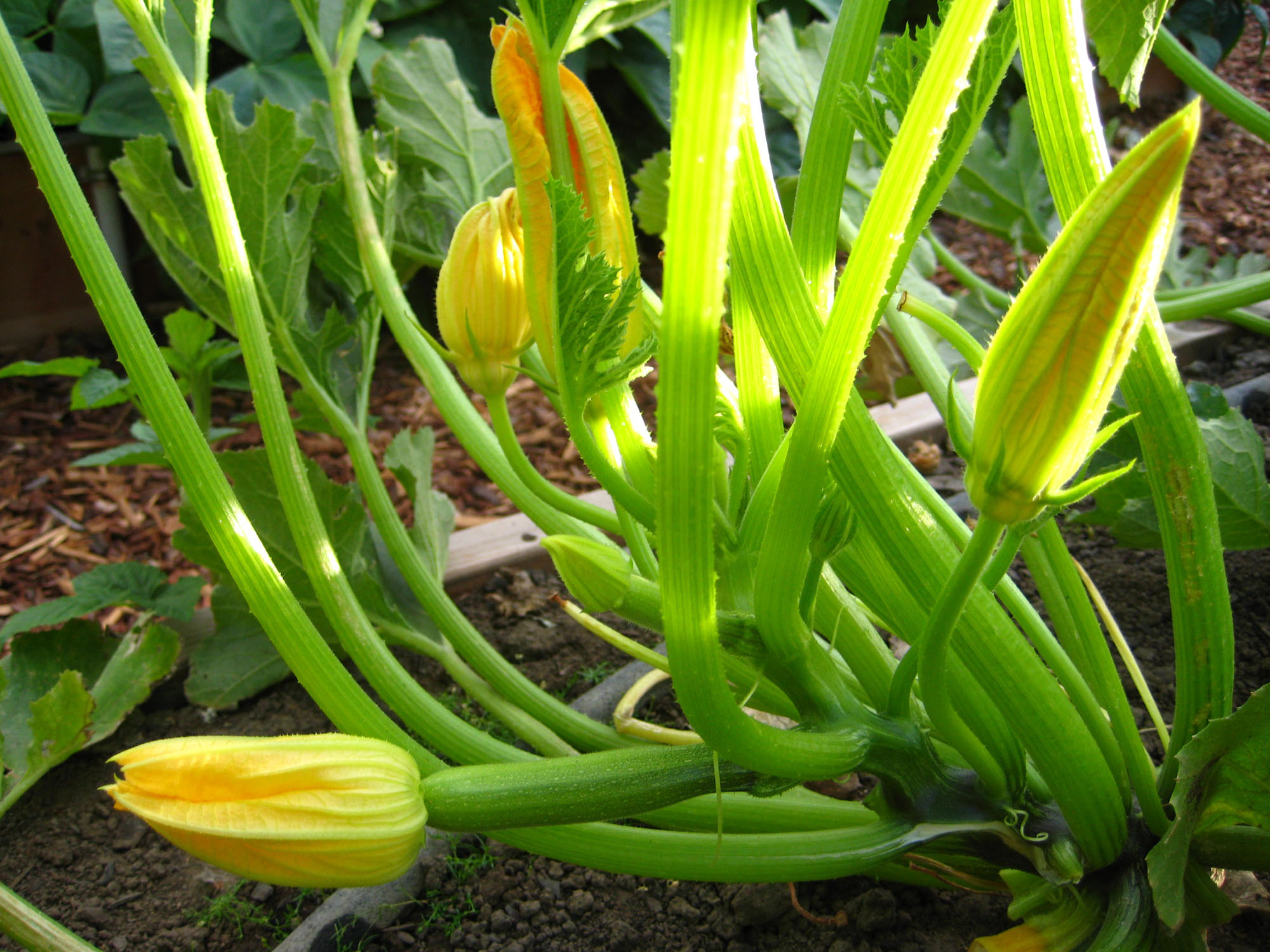
The crops that fall into this category include salad greens, snap peas, green beans and summer squash. If these vegetables are left on the plant too long, they will become tough and, in some cases, bitter. A good example of this is the radish. They are crispy, sweet and slightly spicy when harvested early. Once the weather turns hot, they become pithy, bitter and way too spicy. Spinach will easily bolt to seed in hot weather, leaving you with small leaves and big flower stalks. Pick these veggies while they’re at their peak, early in the season.
Remember to pick crops like peas, beans, summer squash and cucumbers often. The more regularly you pick them, the more productive the plants will be because they won’t spend their energy on maturing fruits that should already have been picked.
Patience, patience
Nothing is more rewarding or delightful than a fully ripe cantaloupe. Nothing is more discouraging than a flavorless cantaloupe that was harvested too early. They actually will let you know they’re ripe by starting to pull away from the vine. There will probably also be a wonderful, sweet aroma wafting from the melon patch, accompanied by hovering yellow jackets looking for a piece of the action.
Another category of vegetable that requires a great deal of patience is the winter squash. It can be very difficult to know when they’re ready to be harvested but not if you use the thumbnail test. When you push your thumbnail into the skin, one of two things will happen. It either pierces the skin easily, which means it’s not mature, or it doesn’t go into the skin no matter how hard you try. This means it’s ready to be cut from the vine and stored in a warm, dry place.
’I’m done’
Potato plants do a good job of letting us know when they’re done growing: the foliage withers and dies. That’s pretty straightforward. I prefer to leave the potatoes in the ground until it frosts and even beyond because nothing will happen to the spuds unless it should turn bitterly cold, freezing them into the ground. I should also mention that, earlier in the season, you can carefully start digging up new potatoes once the plant starts blooming.
Onions also signal when they’re finished growing because the stalks fall over. Stop watering them, pull them up and let them dry in the sun or in a covered area to protect them from getting rained on. If some stubborn stalks haven’t fallen over, help them along by knocking them over and then proceed with the above method. Shallots are harvested in the same way.
Garlic plants are a little more elusive about being done. Keep an eye on their leaves. When the second leaf from the bottom of the stalk turns brown, it’s time to pull them and let them dry.
Miscellaneous crops
Broccoli should be harvested while the buds are tightly closed, before they pop open and start flowering. Harvest cabbage when the heads are round and solid; if you wait too long, they can split. Pick eggplant when the skin changes from shiny to dull and stays dented when you press your thumbnail into it. Corn is ripe when the ears feel full and the silks are brown and dried.