
Housing, economy post declines
Some analysts warn worst lies ahead
WASHINGTON – The longest recession in a quarter century is snowballing, and some analysts warn that economic activity could plunge as much as 6 percent this quarter, which would be the largest decline since 1982.
While government figures released Tuesday for the third quarter showed only a 0.5 percent drop in the gross domestic product, a key indicator of economic health, two reports on home sales sketched a bleaker picture. Demand for both new and existing homes fell more sharply in November than expected.
In addition, GDP is likely falling at a sharper pace in the current quarter because of widening fallout from the worst financial crisis to hit the country since the Great Depression. If GDP does plunge 6 percent in the fourth quarter, it would be the sharpest such decline since a 6.4 percent drop in the first quarter of 1982.
“It will get a lot worse before it gets better,” said Nariman Behravesh, chief economist at IHS Global Insight, a Lexington, Mass., forecasting firm. “We are in the midst of the worst recession in the postwar period, even factoring in a massive stimulus program.”
Economists said they saw no likelihood of a quick turnaround in housing or the overall economy, given that the credit markets remain locked despite a $700 billion financial rescue package and billions of dollars of loans supplied by the Federal Reserve. Mortgage financing has dried up for many potential buyers, further damaging a housing industry struggling with a tide of foreclosures.
Wall Street pulled back in quiet trading ahead of the holiday after the reports were released Tuesday morning. The Dow Jones industrial average finished lower for the fifth straight day, falling 100 points to close about 8,419.
The Bush administration warned that the country should be prepared for worse news.
“The fourth quarter, because of the credit crisis, the standstill in credit as markets froze up and the financial market turmoil, will be significantly weaker,” presidential spokesman Tony Fratto told reporters at the White House on Tuesday.
Behravesh said he thinks the recession will bottom out this quarter with the biggest quarterly drop yet in GDP. But he forecast another sizable decline of around 4 percent in the first three months of 2009, and a slightly smaller drop in the second quarter before the economy begins to rebound next summer.
Other economists are even more pessimistic. Joshua Shapiro, chief U.S. economist at MFR Inc., said he did not see the GDP turning positive until 2010. “There were just so many excesses that the correction process is going to take a long time,” he said.
The recession began in December 2007. That means it’s already the longest downturn since the 16-month recession of 1981-’82. That downturn and another 16-month slump in 1973-’75 are tied as the longest recessions since World War II.
Some analysts said the downturn could be the most severe since the Great Depression, if measured by both duration and lost output.
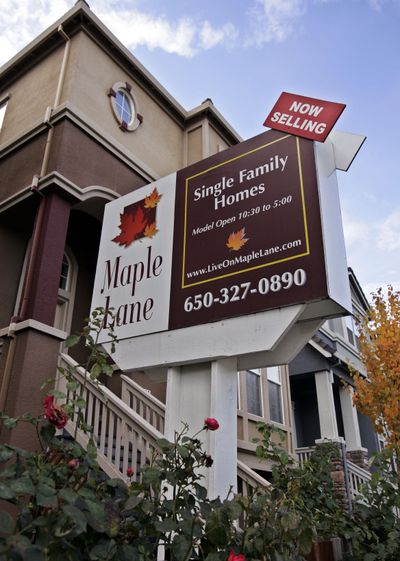
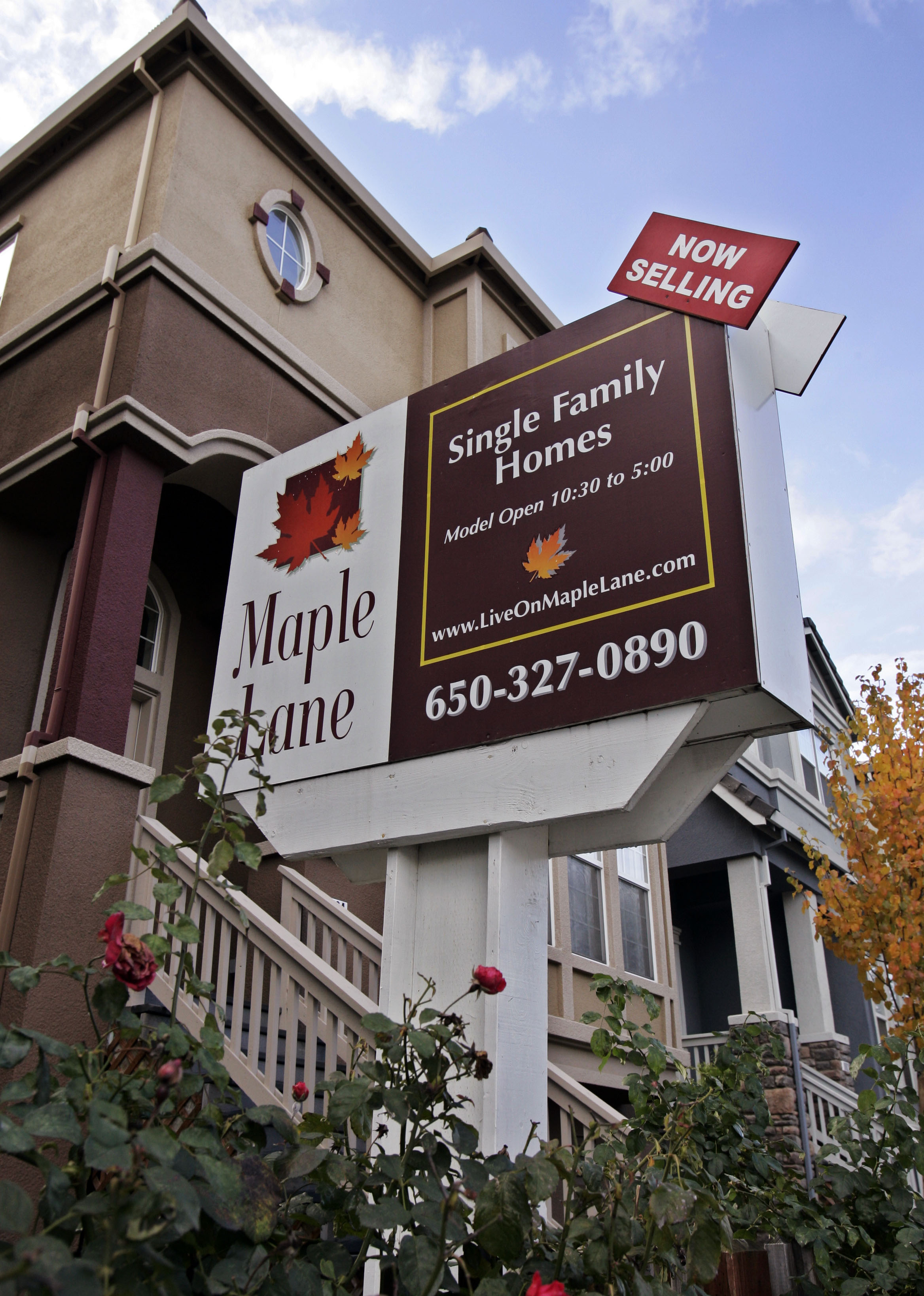
The Commerce Department said new home sales dropped 2.9 percent in November to an annual sales rate of 407,000 units, the slowest pace in nearly 18 years. And the National Association of Realtors said sales of previously owned homes fell by 8.6 percent to an annual rate of 4.49 million units.