
Idaho field burning legislation introduced
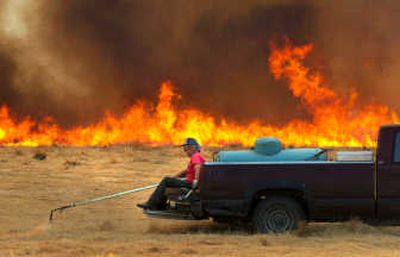
BOISE – Idaho would start a new field burning regulation program that makes public health a priority, ends the state’s practice of keeping field-burn locations a secret and cuts off burning when pollution rises, under legislation introduced Monday.
The new system is part of an agreement to allow field burning to resume in Idaho. It’s been banned for the past year because of a federal court decision.
“They’ve reached a good compromise,” said state Rep. Ken Roberts, R-Donnelly, the bill’s lead sponsor. “I think it’s a tool the agricultural industry needs. They’ve agreed to come under the monitoring from DEQ (the Department of Environmental Quality). I think it’s a win-win piece of legislation.”
In recent years, the state Department of Agriculture, which had been in charge of regulating field burning, maintained that an old public records law exemption about seed producers prevented it from releasing information about locations of planned field burns. State Rep. Tom Trail, R-Moscow, proposed legislation to reverse that, but lawmakers killed it in committee.
The new legislation includes a specific clause declaring that information public.
It also would cut off burning if air pollution levels exceed or are expected to exceed 75 percent of standards; and would put more state resources into analyzing air quality impacts.
Much of the new regulatory system would be funded by a $2-per-acre fee on fields that are burned, giving it a fiscal impact on the general fund next year of just $185,700.
In order for field burning to resume in Idaho, the legislation must pass and be signed into law, and the U.S. Environmental Protection Agency must approve a new plan for Idaho’s compliance with the federal Clean Air Act.
An agreement announced last month among the state, grass growers and a clean-air group paved the way for the new legislation.