
In the garden: Bountiful vines
As we continue our discussion of warm-season crops, let’s look at growing squash and melons.
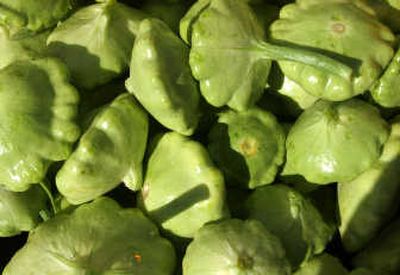
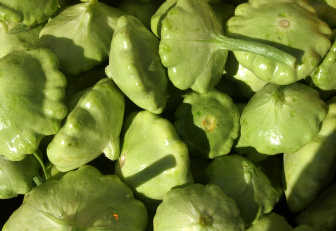
Gardeners often joke about how prolific their zucchini plants are. It’s true that summer squash – which includes zucchini, patty pan or scallop, and crookneck squash – is very easy to grow. They all grow in a bush form that requires at least 2 feet of space.
Whether you start your seeds indoors or outdoors, they should not be planted in the garden until late May or early June. Plant the seeds with the pointy end down for best germination. The plants require no special care during the season. Harvest the squash when they are young and tender for best flavor and to keep the plants producing. Summer squash takes 40 to 52 days to reach maturity.
One problem that can occur early in the season is when the plant blooms and a tiny squash starts to develop, only to shrivel up and fall off later. This is caused by poor pollination, a problem that resolves as the season progresses and more pollinating insects are present in the garden.
Fun varieties to grow include Vermont medley, a collection of different colors and types of zucchini, eight ball hybrid, which resembles billiard balls, and sunburst hybrid, a bright yellow scallop squash. This year, I’m trying spacemiser hybrid, a variety touted to require one-third less space in the garden than standard zucchinis.
Winter squash – which includes acorn, buttercup, butternut and spaghetti to name just a few – need a long season to mature. Because our growing season only has about 120 frost-free days, I recommend choosing varieties that require no more than 100 days to mature. These plants have a vining growth habit rather than a bush form, so give them plenty of room to sprawl. Place developing squash onto small boards to keep them from rotting as a result of contact with damp soil.
In August, start pinching back the vines to force the plant to focus its energy on ripening the existing squash. The easiest way to determine when a winter squash is ripe is by using the thumbnail test. If it takes a lot of pressure to push your thumbnail into the rind, it is ripe.
Few gardeners devote space in their gardens for growing melons. This is because of the long, warm season they require. Fortunately, there are several shorter-season varieties that will grow here. My all-time favorite is Alaska hybrid, which requires only 70 days to mature. Other speedy varieties are fastbreak hybrid (65 days) and earlisweet (68 days). To play it safe, select melon varieties that require 85 days or less to mature.
I always grow melons in beds covered with red plastic mulch, which raises the soil temperature and can increase yields by as much as 30 percent. After anchoring the plastic on the bed with metal pins, rocks or boards, cut a small “x” into the plastic to plant each seedling through. Once the plants have a few small developing melons on them, start pinching back the vines to force the plants to ripen them. A melon is ripe when its stem starts pulling away from the vine.
Garden update
All of the cool-season crops – onions, garlic, shallots, spinach, Swiss chard, potatoes, broccoli, lettuce, radishes, carrots and parsnips – have been growing in my garden for about two weeks. I planted the peas this week and, weather-permitting, the corn and beans will go in next week. Keep an eye on the forecasted low temperatures in case your plants might need some frost protection.