
For roses, bedtime is approaching
Most important steps for winterizing have only just begun

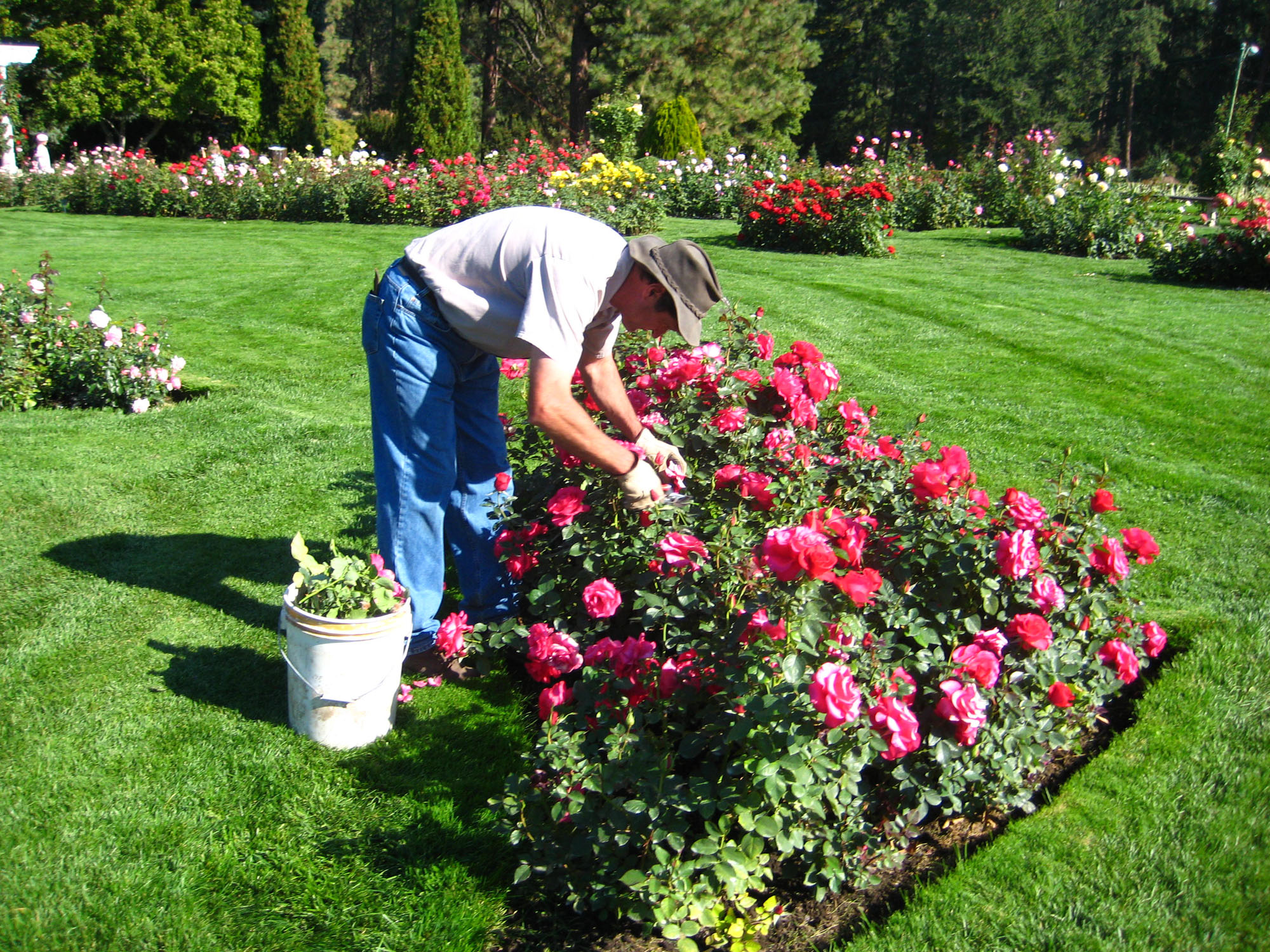
Steve Smith knows a thing or two about roses. As lead gardener of Rose Hill at Manito Park, he and his crew care for more than 1,500 roses.
This might seem a little late to discuss winterizing roses but, according to Smith (who’s not related to former Spokesman-Review editor Steven A. Smith), the most important steps in the process of putting roses to bed for the winter have only just begun.
The only early task that has already taken place at Rose Hill was at the end of September when they applied a potassium fertilizer to “give the roses more strength and hardiness to get through the winter,” Smith says.
After that, the main steps they take for winterizing roses are dependent on the weather. “We tentatively set Oct. 20 as our date to start pruning roses,” he says.
It’s important to note that they don’t prune back half of each cane in the fall, a task that used to be advocated in the past. This is risky because it encourages tender new grow which will be more susceptible to winter-kill. Smith thinks it’s wiser to do a small amount of pruning in the fall to prevent other problems.
“We trim the canes on the taller modern roses to prevent them from whipping around in the fall and winter winds which could seriously damage the plants,” he explains. For roses with a shorter, bush-type growth habit, “we just prune out the spindly canes in the middle of the plant to open it up, so we can see what we’re doing when we start hilling them up with soil.”
Some rose growers advocate stripping the leaves off of rose bushes to eliminate diseases or insects. While this isn’t practical for a rose garden on the scale of Rose Hill, “if a rose is mildew-prone or black spot-prone, we strip off those leaves and dispose of them” rather than composting them or leaving them in the rose beds, Smith says.
Hilling is a task that gets done at the end of October or the first week of November. “We take a shovel and scrape some of the surrounding soil up over the crown of the plant so we end up with about 6-8 inches around the crown. Just don’t go too deeply with the shovel because you can expose roots and risk losing the plant over the winter,” he advises.
While many gardeners are used to bringing in soil to hill up their roses, Smith and his crew don’t do that. “Then we’d have to take it back out in the spring, which would be too labor-intensive,” he explains. But, he adds, if home gardeners are able to haul in soil, it would be safe to cover the roses up to one foot deep for optimum winter protection.
The next step is to add a mulching material to the mounds of soil around the roses. “We use pine needles because they don’t decay or blow around in the wind. And besides, they’re free,” Smith says. They heap about one-and-a-half feet of pine needles on top of the soil mounds. “Pine needles keep the soil temperature more constant and prevent temperatures from fluctuating on sunny winter days,” he explains.
Smith offers other helpful advice to rose growers. “Don’t prune miniature roses very much. You definitely don’t want to hill them up because they’re growing on their own roots (rather than being grafted onto rootstock). We just do a light dusting of pine needles on them.” The same applies to old-fashioned roses.
The last but most important step, Smith says, is to “water, water, water, right up to the last minute. Roses are water hogs and you don’t want them to go into the winter dehydrated.”
Smith was given advice by the previous head rose gardener to wrap up winterizing tasks by Thanksgiving, which is a good target date for all gardeners growing roses. Considering the enormous task of winterizing Rose Hill, they only lose about ten percent of the roses to winter kill. This translates to 10 to 15 roses per year.
Gardeners who are growing own-root roses, such as those sold by Northland Rosarium, don’t have to do any of the above steps. Owner Carol Newcomb says she likes to joke that “we just go in the house at the end of the season and close the door. We don’t do any dramatic pruning to them and we don’t cover them.”
Roses that have been hilled up with soil should remain undisturbed until the temperatures consistently stay above 20 degrees F. At this point, gardeners can slowly begin removing about one-third of the soil mounds at a time over the course of a few weeks. Once temperatures remain above freezing, it is safe to remove the rest of the soil mound.