
California poor face deep cuts
Budget woes unraveling state’s elaborate safety net
SACRAMENTO, Calif. – With empty pockets and maxed-out credit, California is debating whether it can continue honoring all parts of its social contract with the state’s most vulnerable residents.
The state faces an unprecedented drop in tax revenue and a widening budget deficit amid the deepest recession in decades, prompting Gov. Arnold Schwarzenegger to propose cost-cutting steps that once seemed unthinkable.
Ending the welfare-to-work program for mothers and their children would affect some 546,000 families, and health insurance could be eliminated for 1 million children from low-income families. Services for Alzheimer’s patients, disabled and other frail recipients of in-home care also would be greatly reduced under the governor’s latest budget proposal, leaving more than 400,000 people without such support.
Schwarzenegger acknowledges that his proposals will be painful.
“I know the consequences of those cuts are not just dollars. I see the faces behind those dollars,” he told lawmakers last week. “It’s an awful feeling, but we have no choice.”
The state’s projected $24.3 billion deficit for the fiscal year that begins in July amounts to a quarter of its general fund. Schwarzenegger and Republicans in the Legislature say they will not raise taxes again, after agreeing to $12.8 billion in sales, personal income and vehicle tax hikes earlier this year.
That leaves lawmakers with few alternatives to severe spending cuts.
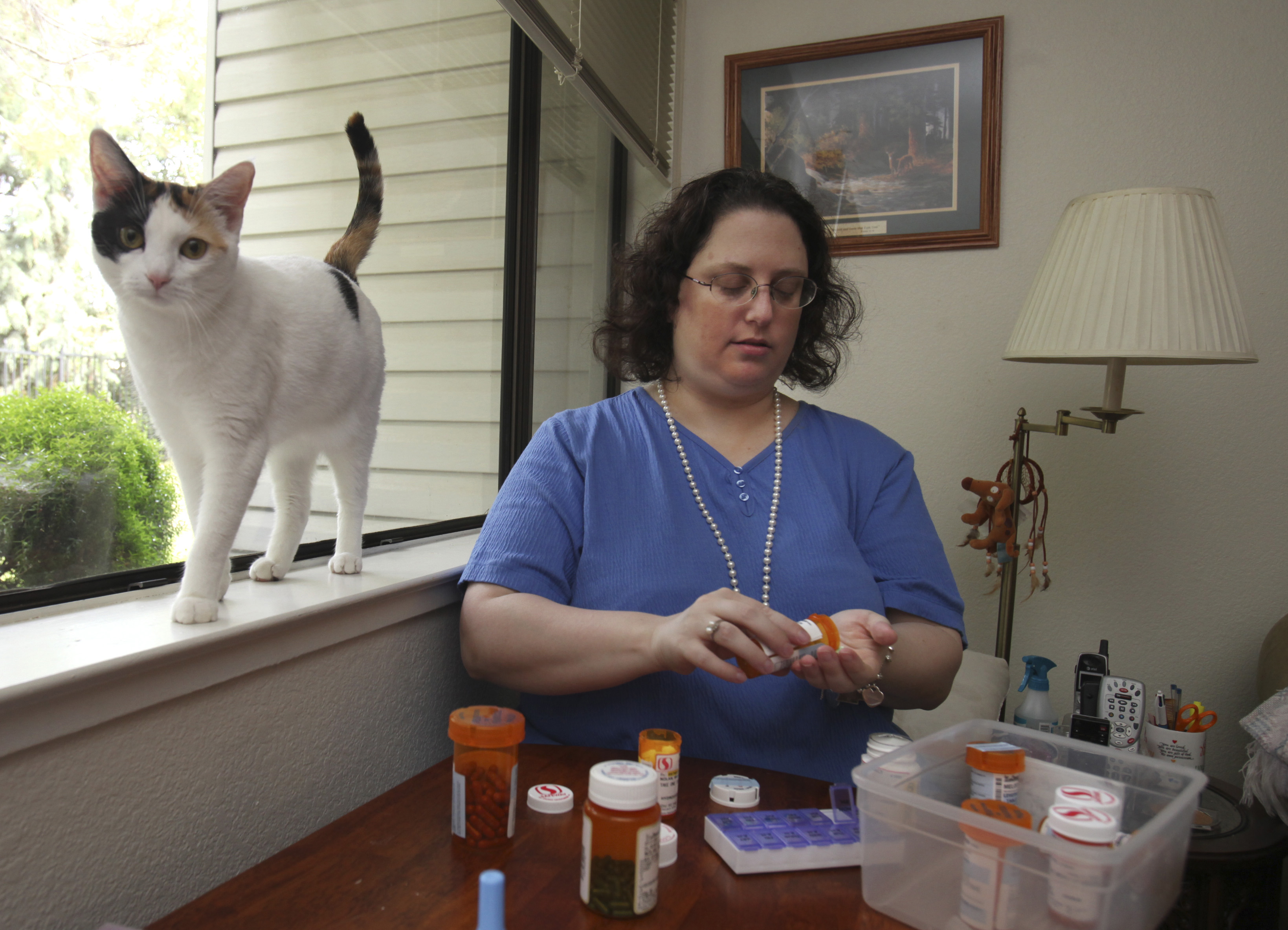
Melody Nolan is worried that the state will cut her in-home care. That would mean she could not see one of her many doctors for systemic lupus, an autoimmune illness that saps her strength. Even though the 39-year-old Sacramento woman still would receive disability benefits and subsidized housing, she said she would lose her sense of independence and worries about ending up in a nursing home.
California stands to lose billions in federal matching dollars if Schwarzenegger’s proposals pass. Advocates have argued that his cutbacks would jeopardize even more money from the federal stimulus program, but the Obama administration so far has granted waivers on that portion of funding for the state.
Federally mandated programs such as food stamps, low-income housing and Medicaid – the U.S. health program for low-income people, seniors and the disabled – will continue, said Robert Rector, a senior fellow at the conservative Heritage Foundation. Those programs received financial boosts under the federal recovery act.