
Reduced hours, pay cuts afflict many workers clinging to jobs
In cubicles, factories and stores these days, anxious workers are trying to ease one another’s economic fears with something akin to, “Well, at least we still have jobs.”
Yet for many, that’s becoming a small comfort as more employers cut hours or hire only part-timers. People paid on commission, meanwhile, are suffering as sales dry up. And state workers around the country have been put on unpaid leaves.
These workers aren’t counted in the unemployment rate, which hit 8.1 percent in February. They’re not eligible for federal benefits that provide a safety net for the jobless. Yet their pain is real, and their reduced spending is a drag on the economy.
They are the walking wounded of this deep recession: millions of workers whose incomes have fallen even as they manage to hold onto their jobs. Their shrunken pay has forced many of them to make painful sacrifices.
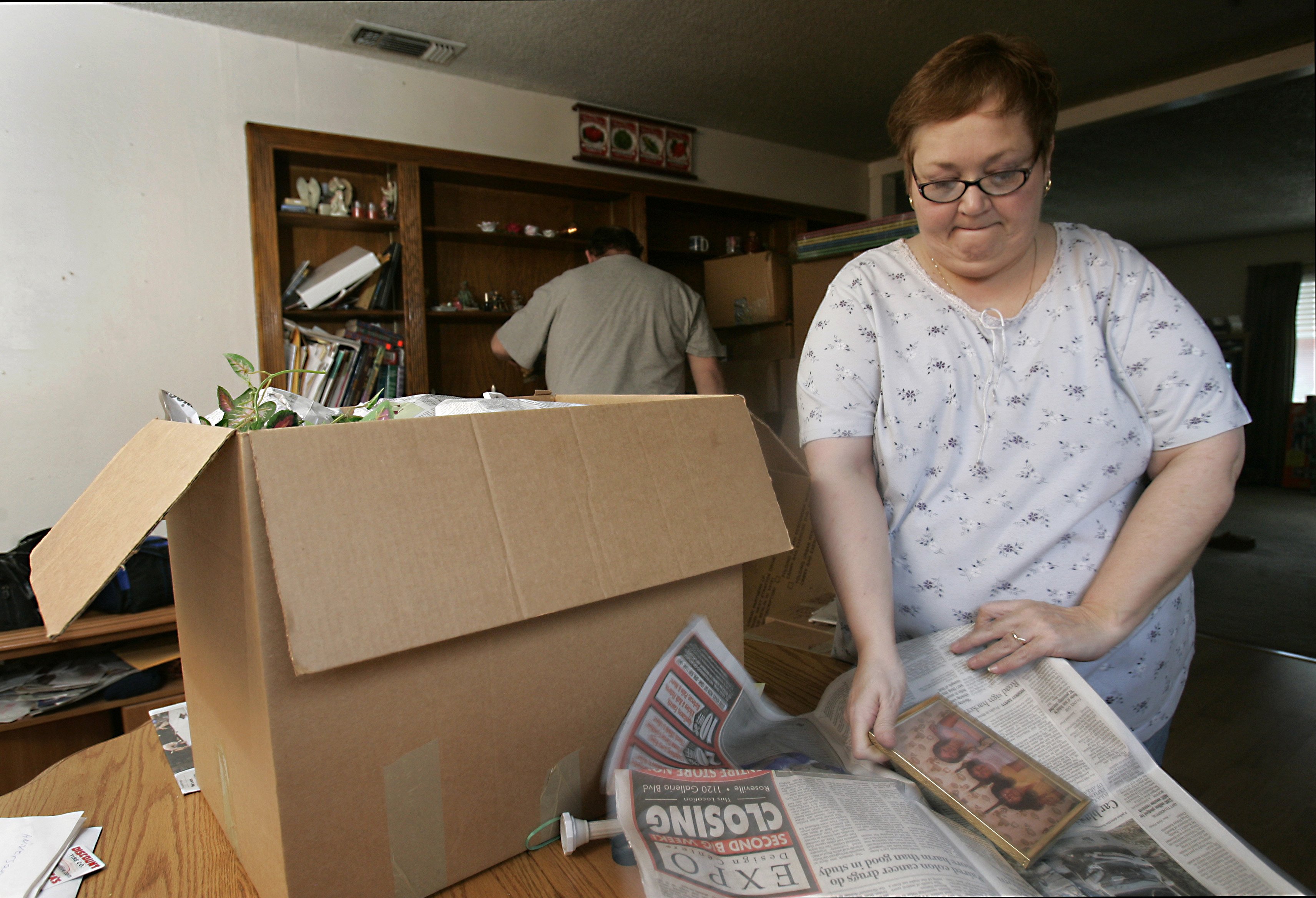
“I won’t be able to buy the groceries I need to buy to make sure my family can eat until the end of the month,” said Rhonda Wagner, a 52-year-old California state employee whose pay has shrunk because of state-imposed leave.
Before her pay cut, Wagner said her paycheck from the Department of Motor Vehicles was barely enough for her to pay her bills. Now, she says she’s facing foreclosure and struggling to pay for utilities.
“I will have to rob Peter to pay Paul,” she said. “We’re expected to work, even though we’re not getting paid.”
More than 4.5 million workers last year depended at least partly on variable pay, which includes tips and commissions, according to Labor Department figures. Meanwhile, the number of workers forced into part-time instead of full-time work soared 76 percent in the past year.
The average number of hours all employees work each week has also dropped. The commission-heavy sectors of retail and auto sales have been especially hammered.
That said, workers whose hours or commissions have dropped have still fared better than those who have lost jobs altogether. Even though workers are being given fewer hours to work, average hourly wages have continued to rise over the past year.
Still, many of those who keep their jobs tend to suffer during recessions right along with the unemployed, said Edward Lazear, professor of human resources management at Stanford University and former chairman of President George W. Bush’s Council of Economic Advisers.
As the recession cuts demand for goods and services, companies that don’t shed workers outright must squeeze savings from the work force that remains. They typically do so by cutting hours. And as a recession persists, rising competition for jobs tends to shave wages and benefits. Companies lose any incentive to boost pay.
“Other guys are now competing with you for that job, and they’re willing to take that same job for less money,” Lazear said. “While it might not happen in any given month, over the next three years, wage growth will be lower than it would have been had we not had a recession.”
When companies cut or freeze wages for salaried or hourly employees, the workers tend to feel the effect gradually. By contrast, for waitresses, car salesmen, retail clerks and others whose variable pay hinges on economic cycles, a pay drop tends to be as steep as it is quick, said Sylvia Allegretto, an economist at the University of California, Berkeley. That’s because sales-based compensation is more sensitive to swings in consumer spending.
The effect is hard to quantify because the Labor Department doesn’t track pay for this group of workers as a whole, Allegretto said. While earnings for commission-based workers drop quickly, those paid in wages will endure a somewhat slower pay decline this year, said Ken Abosch, head of the North American practice for Hewitt Associates compensation consultants.
A Hewitt survey of 640 companies found they planned to raise wages for salaried employees by 2.5 percent this year. That’s the smallest increase since 1976. The companies said executive pay increases would drop from 3.8 percent to 2.2 percent in 2009.
But for millions of workers, the biggest problem is a shortage of hours available. Last month, the average work week fell to 33.3 hours. In January it was an estimated 32.9 hours – the lowest level since the Labor Department began tracking the figure in 1964.
More than 8.6 million U.S. employees are working part time because they can’t find full-time work, according to department figures, the largest number recorded – and a 76 percent increase from 12 months ago.