
European Union chooses Belgian as first president
BRUSSELS, Belgium – Champions of European unity hoped their new president would be a continental George Washington, a brand name who could pull the European Union closer together and fulfill their dream of a strengthened role for Europe in world affairs.
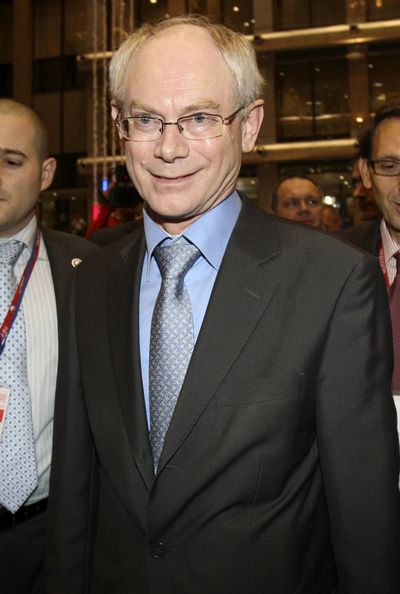
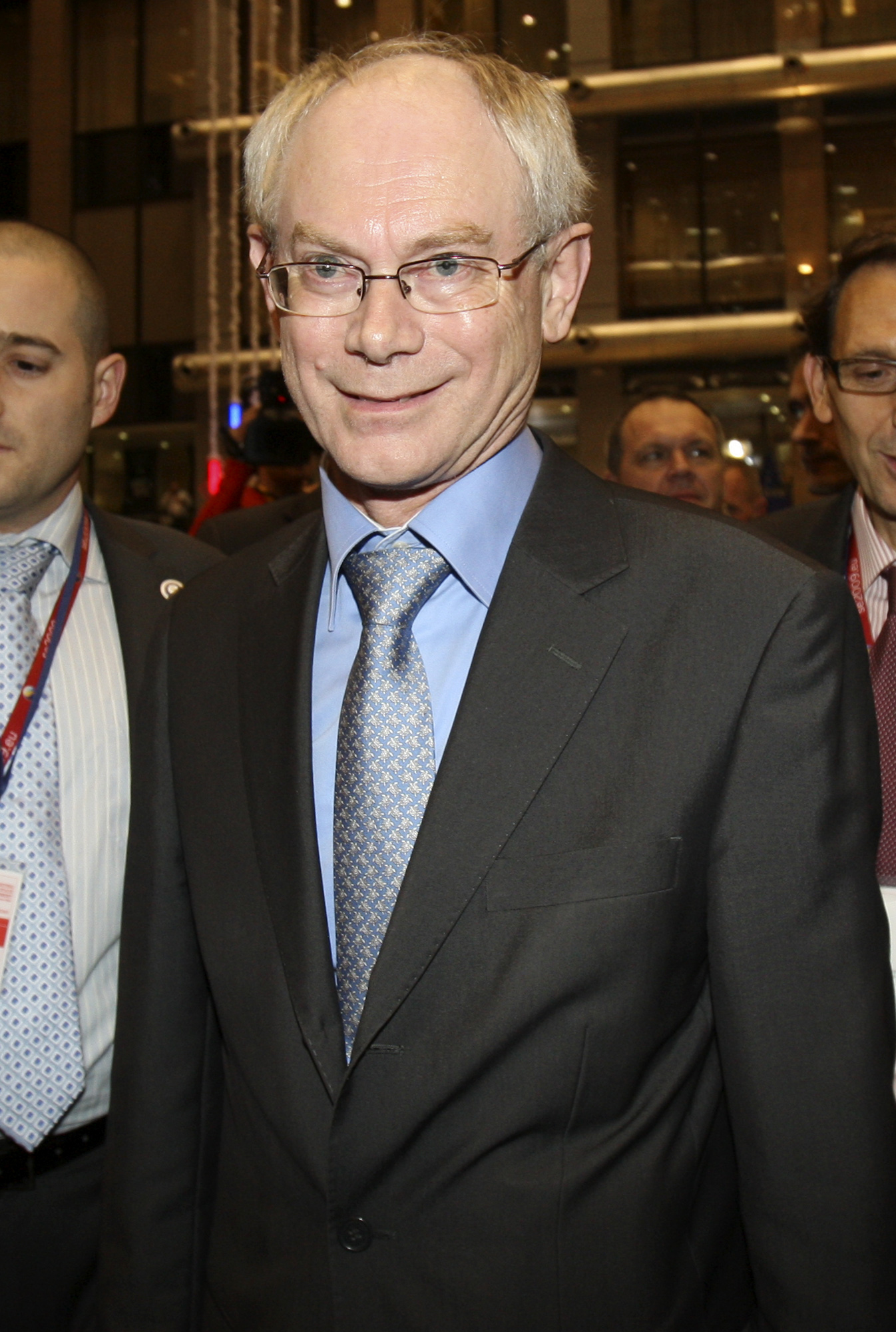
But after weeks of back-room haggling and private international telephone conversations, the presidents and prime ministers of the 27 E.U. members on Thursday picked a little-known politician, Belgian Prime Minister Herman Van Rompuy, as the union’s first permanent president.
The choice of a conciliator, rather than a bold leader, for the new job suggested the European Union was not ready for the dramatic departure advocated by ardent unity advocates, analysts said. As a result, they added, the United States and other E.U. partners should expect little change in their traditional bilateral dealings with national governments despite Van Rompuy’s addition to the vast Euro-bureaucracy in Brussels.
“Europe is not a country,” said Nicolas Veron of the Brussels-based Bruegel institute for European and world economic affairs.
Notwithstanding lyrical talk of European unity and joint action on the world stage, he added, the continent’s elected presidents and prime ministers showed they were not yet prepared to cede significant new powers to an E.U. figurehead or choose an activist likely to vie with national leaders on European policies.
Van Rompuy, 62, a professorial veteran of Belgium’s intricate coalition politics, indicated he would be comfortable in a facilitator’s role when he takes office Jan. 1. “As president of the European Council, I will listen to every country and make sure every country comes out a winner in every negotiation,” he said.
The election of the European Union’s first full-time president, along with the appointment of Britain’s Catherine Ashton as high representative for foreign affairs, was made possible by ratification this month of a treaty strengthening and reorganizing the political and trade bloc.