
Upgrading window insulation helps keep winter out
Old Man Winter’s relentless chill once again has blown into the Inland Northwest, busying homeowners who plan on tucking their homes in for a long winter’s nap.
Unfortunately, the sly Mr. Winter can easily and quickly become an unwelcomed houseguest, believing less-than-airtight windows are an open invitation.
Fortunately, there affordable things you can do to keep the chill out, from purely functional to functional and stylish.
Even if you don’t necessarily feel a big draft currently, the U.S. Dept. of Energy estimates that during winter, up to 25 percent of a home’s heating energy is lost through its windows.
Beau Value, owner of Green Home, L.L.C., in Spokane, which specializes in energy efficiency upgrades to existing homes, suggests starting with a free home audit.
Green Home uses infrared cameras in its audits, which provides a visual on temperature differences in different areas, and “blower door tests” to depressurize the house and assess air leakage levels. Green Home also guides homeowners regarding which fixes are suitable for DIY fans and which require more expert skills.
All of the improvements mentioned in this article can be done as DIY projects but if a homeowner wants to avoid the hassle and/or is researching additional energy-saving options, calling in a handyman or contractor may be a smart bet.
Air Sealing
If you’re on a tight budget you can install self-adhesive weather stripping around your window frame’s interior perimeter, or apply translucent caulking or spray foam (depending on the area’s visibility) around the interior and/or exterior of the window frame and pane, where nooks and crannies can allow cold air to seep in.
This affordable option can cost under $10, depending on the number of windows.
“If you’re looking for a quick fix, it’s definitely a good way to go,” said Greg Suber, owner of A Greener Planet Home Improvement and Insulation. “Whatever you can afford will make a difference.”
If you think your windows need to be in an expert’s hands, a professional like Suber can upgrade their performance by installing new seals or gaskets. This option, if right for your situation, costs a bit more, but not as much as installing new windows.
Value and Suber, in addition to providing free whole home energy audits at no cost, like educating customers about available rebates by helping them obtain and fill out the paperwork.
Currently all air seal products qualify for a federal tax credit of 10 percent of product cost (installation not included) up to $500, as long as a Manufacturer’s Certification Statement accompanies the product (For more info, visit www.energystar.gov).
Window Film
There are two primary types of window films: more permanent, surface-applied films and temporary stretch-plastic installed to interior window trim. Film ranges in price from $10 - $125 per window.
While the best products perform almost as well as high-end replacement windows, the cost of film may be comparable to installing a new window. Unless your windows are part of your home’s historic integrity, you can opt for a less-expensive version of window film/insulation.
A box of clear plastic and double-sided tape is the least expensive and most widely available window attachment —and its performance isn’t too shabby.
Plastic/tape kits, commonly found at hardware stores, provide modest insulation, adding an R-value (level of thermal resistance) of about 1, significantly reducing air leakage, adding insulation and helping prevent condensation.
Kits are an option for renters who don’t want to pay to improve someone else’s property. The only drawbacks include less visibility and the risk of the tape removing paint and or leaving residue when removed in spring (Tenants should consult landlords prior to installation).
Interior Window Panels
Interior window panel inserts are great choices for insulating windows as they are unobtrusive, increase window R-value by about 2, and prices range from $39-$89.
In addition to their modest price, inserts work well where exterior storm windows aren’t practical, such as historic homes, condominiums, long-term rentals, and homes where windows are dangerously high.
Window inserts are typically plastic, but also come in glass and low-e glass, and include framing materials, although the most common is aluminum.
Most window inserts push into the window frame or trim opening on the inside of existing windows, creating an sealed pocket between the glass and insert. No tools or hardware needed, the foam weatherstripping gasket around the insert frame compresses them in place.
“Window inserts are great at reducing or eliminating condensation which can easily cause damage,” said Suber.
The tight seal on the interior prevents warm, moist indoor air from entering the window assembly and being chilled by the air near the cold glass. Low-e -versions have radiant barriers that reduce heat loss, bringing the entire window assembly almost up to par with low-e double-pane replacement windows.
Insulated Shades
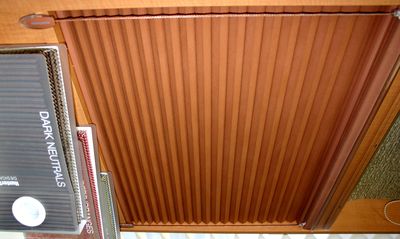
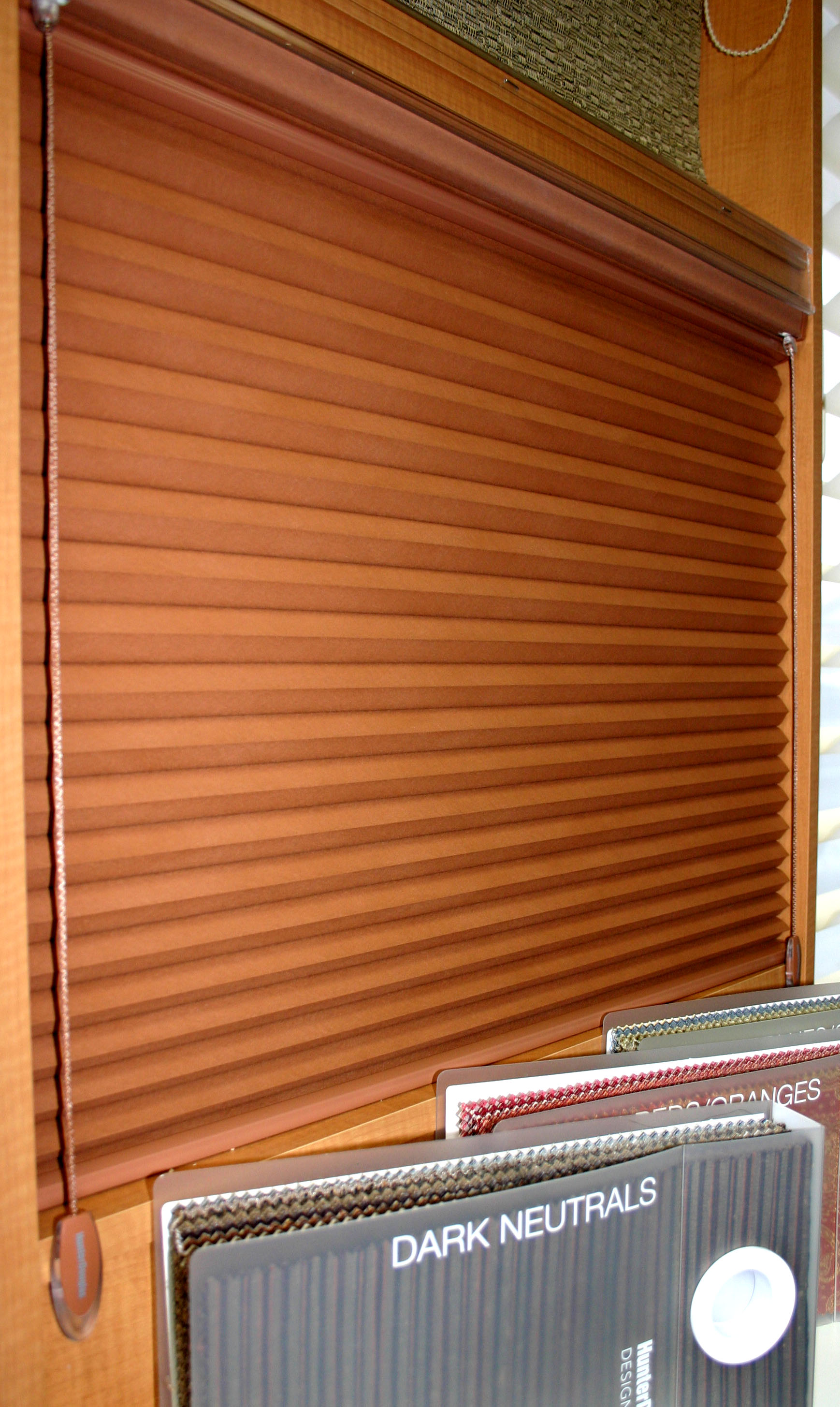
Another aesthetically-pleasing option and a better insulating one is insulated shades which can add up to a R-4 increase to your home.
These products include cellular shades and “window quilts” that fit snugly to the window trim with side tracks or other fasteners.
“Insulated shades are probably our top-selling shade and average from $200-$600 a window, depending on the fabric you choose and the window size,” says Renee Johnson, sale associate at Wallflowers Interior Design Center. Benefits of adding to your home’s décor and warmth are obvious.
Johnson says you can off-set costs thanks to a government rebate of up to $500 currently offered on Hunter Douglas insulated shades installed by Dec. 31, 2011.
In the summer, if you have insulated shades installed over double-glazed windows, you should watch for overheating. Preliminary research indicates that overheating can damage seals and shorten expected window life.
For more info, visit www.windowattachments.org, a site created and maintained by Lawrence Berkeley National Laboratory, BuildingGreen, and the U.S. Department of Energy.