
Meet the Missouri congressman at the center of the storm over ethics watchdog

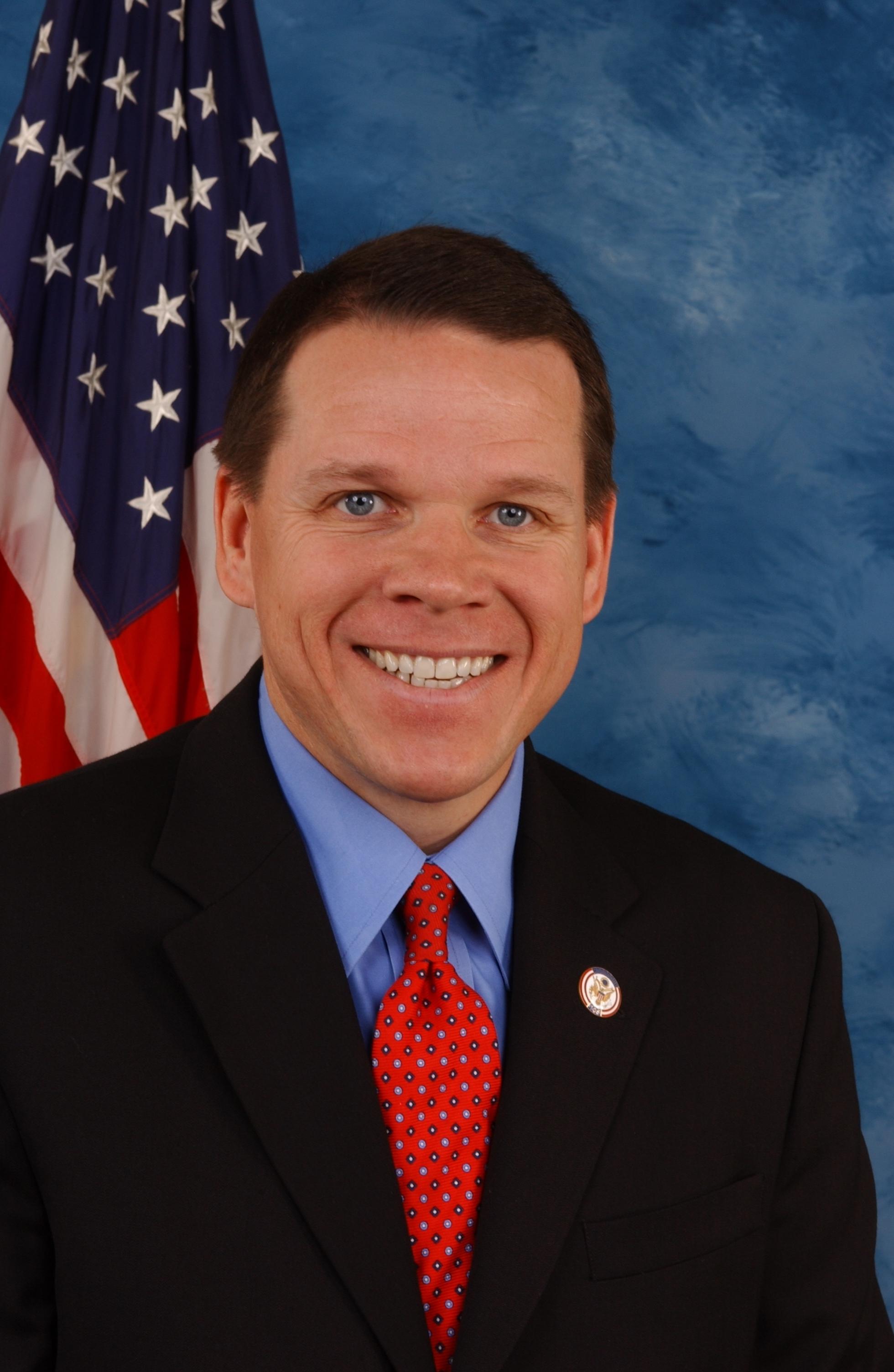
WASHINGTON – Members of Congress reportedly cited an 8-year-old ethics investigation into Missouri Rep. Sam Graves, at a closed-door meeting Monday night, as an example of why they needed to rein in their independent ethics watchdog.
Graves’ spokesman, Wesley Shaw, declined to say Tuesday how the congressman had voted in the secret ballot Monday, “due to the private nature of the vote.”
But Politico reported that Graves was among those lawmakers who “vocally supported” the proposed change.
In the 2009 ethics investigation, Graves’ fellow lawmakers eventually exonerated him – but not before the congressman had spent significant time and money defending himself against what he complained at the time were “frivolous, anonymous allegations.”
Rank-and-file members of the House of Representatives GOP had voted overwhelmingly Monday, by 119-74, to place the independent Office of Congressional Ethics under the jurisdiction of the House Ethics Committee – essentially giving lawmakers more control over what some had come to think was an out-of-control organization.
Hours later, they unanimously agreed to pull their proposal.
The changes proposed by Judiciary Committee Chairman Bob Goodlatte, R-Va., would have prohibited the investigation of anonymous tips and would have kept the watchdog’s staff from disclosing the findings of investigations to other government agencies or to the public, according to Goodlatte’s office.
Graves’ experience with the watchdog came up during Republicans’ closed-door meeting Monday as an example of how costly and damaging such investigations could become for members, even if the accusations are never proved.
In 2009, the Office of Congressional Ethics recommended a formal investigation of Graves for inviting a business associate of his then-wife to testify on renewable fuels before the Small Business Committee, which Graves chaired. The businessman, Brooks Hurst, was invested in the same ethanol and bio-diesel cooperative as Graves’ wife.
Graves’ colleagues on the House Ethics Committee eventually cleared him of any wrongdoing and criticized the watchdog for its handling of the case.
Graves said at the time that the anonymous accusation “amounted to nothing more than a political smear.”
The overwhelming majority of Republicans and Democrats in the House detest the Office of Congressional Ethics and want to revamp it, said Democratic Rep. Emanuel Cleaver of Missouri.
“When that happened to Sam, I thought, ‘This is horrible.’ Then it happened to (North Carolina Rep.) Mel Watt. Then it happened to (Mississippi Rep.) Bennie Thompson. And all these people were cleared,” Cleaver said in an interview Tuesday.
“Some people say, ‘Well, if they were cleared, don’t worry about it,’” he said. “But once it hits the newspaper it’s just like mud thrown against a wall. It can fall to the ground but the stain is still there.”
Cleaver said Democrats stood ready to work with Republicans to repair what many of them considered a very flawed ethics office. But not in secret.