
Game On: ‘Back 4 Blood’ might not be the ‘Left 4 Dead 3’ gamers want
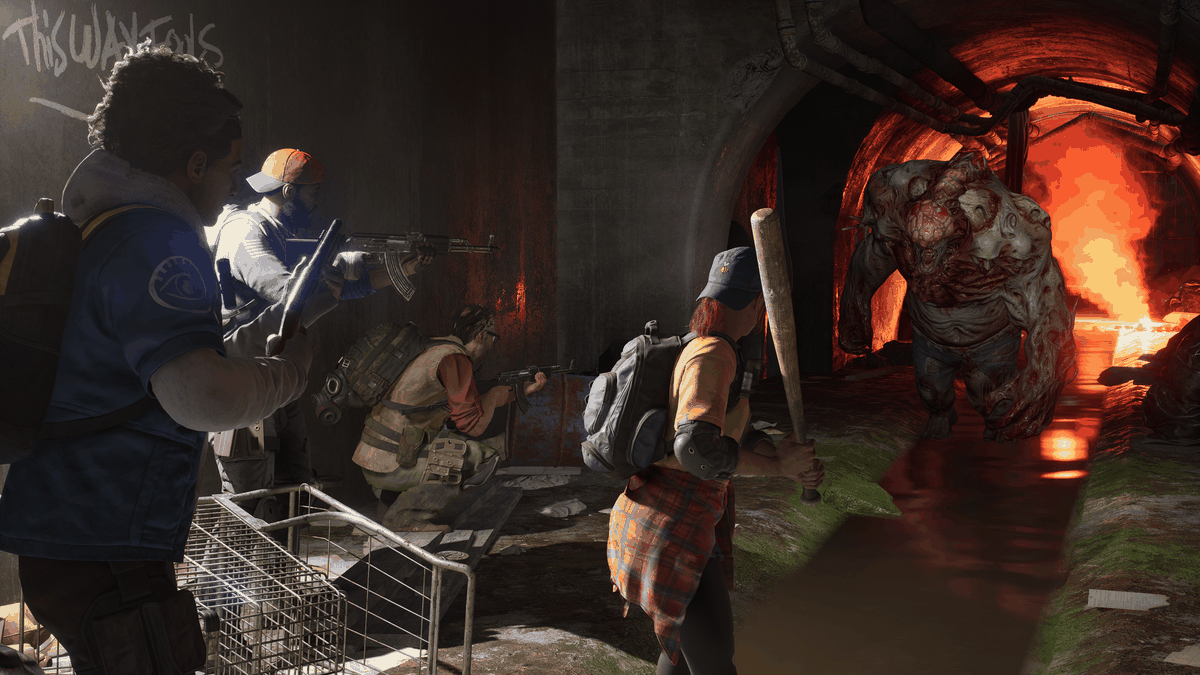
I pay little mind to award shows regardless of the medium, but the Gaming Awards livestreamed Dec. 10 also served as a platform for developers to announce upcoming video games. It was a breath of fresh air after a veritable drought of information on new games caused by the industrywide shift in workflow amid COVID-19 lockdowns.
Highlights included a return to the “Perfect Dark” series, which hasn’t seen a release since 2010; “It Takes Two,” an innovative cooperative platformer; teasers for the next “Dragon Age” and “Mass Effect” installments; and “Back 4 Blood,” which Turtle Rock Studios has advertised as a spiritual successor to “Left 4 Dead.”
Turtle Rock Studios created the concept for and developed much of “Left 4 Dead,” a critically acclaimed cooperative shooter pitting four survivors against hordes of mutated zombies. The game made use of Valve’s Source engine, which also provided the framework for hits like “Half-Life 2,” “Team Fortress 2” and the “Portal” franchise.
Valve acquired the rights to the “Left 4 Dead” name and produced its sequel in-house, but the corporation has barely touched the series since 2012. Although many gamers continue to play “Left 4 Dead 2” – myself included – it’s no secret the game is beginning to feel dated by today’s standards.
Turtle Rock Studios announced “Back 4 Blood” in March 2019 but didn’t show off gameplay until the Game Awards, where the development team also advertised a closed “pre-alpha” version of the game intended to garner feedback and address technical issues. I was able to get in on the action, and my thoughts are mixed.
Turtle Rock nailed the tone. The player characters, called “cleaners,” are survivors attempting to reclaim segments of the post-apocalyptic landscape by slaying swathes of zombies, called the “ridden.” With eight characters ultimately planned for “Back 4 Blood,” the four displayed thus far are a motley crew of clashing personalities.
Their banter brings necessary comic relief to a genre known for its stressful and dark elements. The use of firearms and melee weapons feels tight, accurate and satisfying. A new “card system,” which adds another layer of randomization to the game, is introduced.
At the beginning of each chapter, new cards are drawn to add further obstacles for players to overcome, such as larger hordes of ridden or fog obscuring the level. To balance this out, players can also draw cards with a variety of beneficial effects. It’s a neat system I’m eager to see expanded, adding replay value to an experience than can otherwise grow repetitive.
Unfortunately, that’s where my optimism ends. The first time I fired up “Left 4 Dead,” I went in with mixed expectations. I have no enthusiasm for zombie-related media, but I was a big fan of nearly everything Valve had previously published. The game subverted all my expectations.
The hordes of “common infected” were actually the least of your concerns, as the game sent intimidating “special infected” to hunt you. These mutated zombies were as terrifying in appearance as they were in gameplay. Many of them could instantly incapacitate players, leaving them helpless and bleeding out until another gamer came to their rescue.
That’s the crux of what made “Left 4 Dead” so appealing. You felt powerful mowing down zombies, but there was always the underlying concern that a stray Hunter would catch you alone and unaware, or a stealthy Smoker would constrict you from any angle with its vile and ropelike 100-foot-long tongue.
Your hubris could catch the better of you, and running off alone was often a death sentence. In its pre-release state, “Back 4 Blood” takes the opposite approach. Legions of the ridden will hound you, and the majority of the special zombies seem surprisingly inconsequential.
Turtle Rock has promised more special infected will join the fray before the game releases, but, thus far, only one of them is capable of leaving players helpless. I understand taking away control from the gamer isn’t fun, but it’s also a staple of the genre that escalates the tension and acts as a tool to punish players who have the audacity to run off on their own.
Playing cooperatively is the bread and butter of this genre, and Turtle Rock has said it’s important to them, but in pre-alpha state, “Back 4 Blood” seems to favor selfish play styles. On my first play through the demo, I was a considerate player who waited around for teammates who fell behind or lost track of time scouring rooms for supplies.
I rescued them whenever possible and often found myself fighting through rough patches as a result of my compassion. It wasn’t long before I noticed people running ahead and breezing through each chapter.
I tried the same technique and encountered fair resistance from the common ridden, but I was able to easily outrun or slay any of the special zombies who should have been able to punish me for my selfish and foolhardy tactics. I don’t expect “Back 4 Blood” to be identical to the “Left 4 Dead” series – I’d be disappointed if it was, and many of the new elements have great potential.
But the fundamental flaws in its current game balance remind me of “Evolve,” Turtle Rock’s last venture that launched to moderate success before quickly losing its player base. The studio shut down the game’s servers after less than four years, and I fear the same could happen with “Back 4 Blood.”
I hope the studio irons out these issues and invalidates my initial impressions. “Back 4 Blood” will release on June 22 for Windows PC, PlayStation 4, PlayStation 5, Xbox One and Xbox Series X/S.
Riordan Zentler can be reached at riordanzentler@gmail.com.