
Don Brockett, who served as Spokane County prosecutor for quarter century, dies

Donald C. Brockett, a lawyer who served as Spokane County prosecutor for a quarter century and who once had a mother of a suspect pay a hitman to render him a “vegetable,” has died. He was 89.
Brockett, the prosecutor who got the first convictions against South Hill rapist Kevin Coe, had a reputation as a no-nonsense, but fair, prosecutor who followed the law. He also remained intensely focused on the interests of the victims and their families, some attorneys who worked with and against him said.
Dutch Wetzel was hired by Brockett’s office in 1978 and worked with him until Wetzel left in 1986 to become a defense attorney.
“Don was a very conscientious prosecutor,” Wetzel said. “For instance, he was extremely resistant to over-charging. The case should rise and fall on the strength of the case. He didn’t want anybody pleading guilty because they were coerced into it.”
Over the years, Brockett waged numerous battles with the late Carl Maxey, a legendary attorney and civil rights leader who died in 1997. His son, Bevan Maxey, recalls working in the office with his father as Carl Maxey worked to defend the mother of Brockett’s most notorious criminal, Coe.
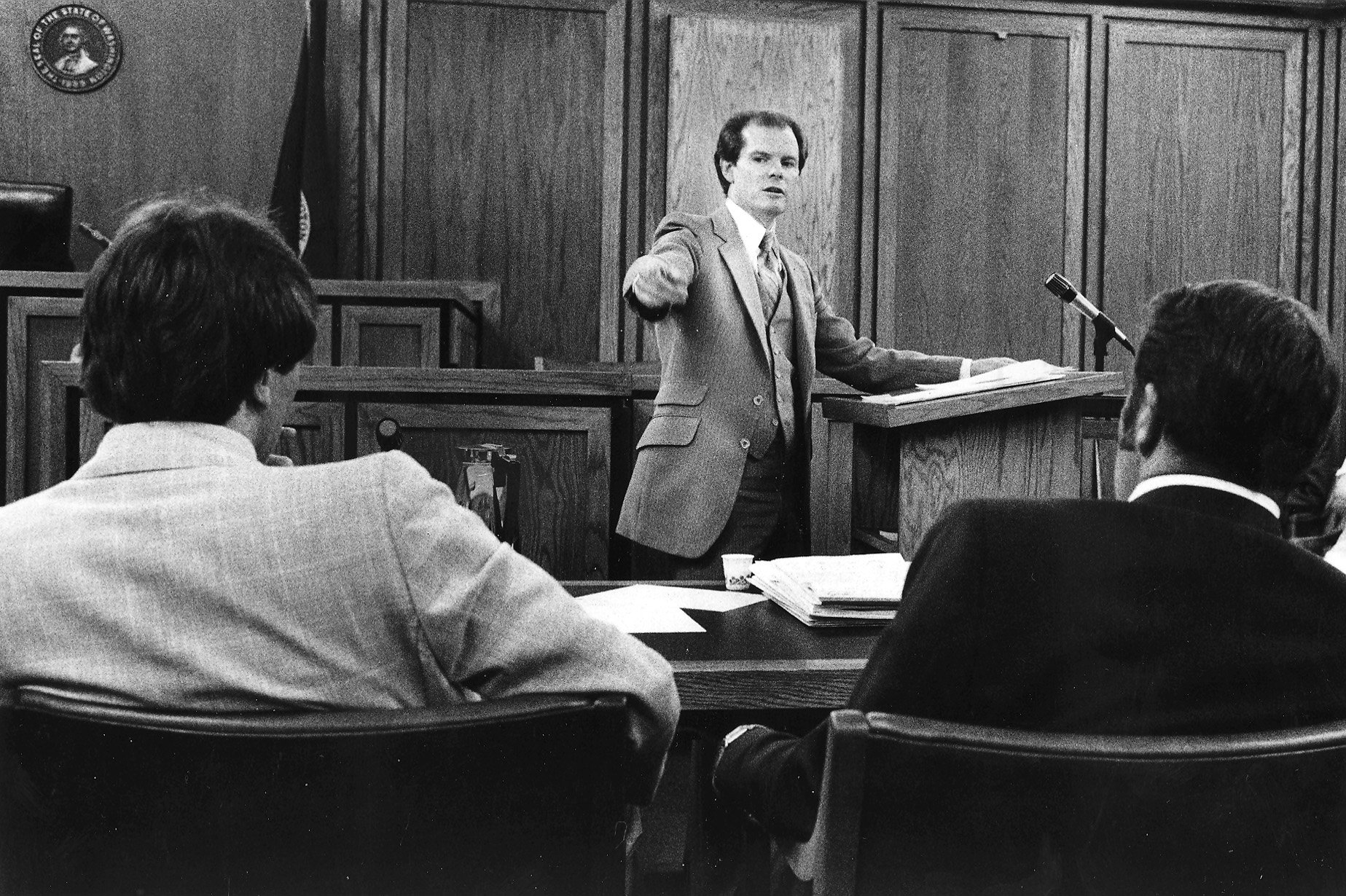
After Coe’s first four rape convictions in 1981, which were later overturned on appeal, Ruth Coe paid $4,000 to an undercover officer to kill then-Superior Court Judge George Shields and either kill Brockett, or more preferably, wound him so severely that he would be rendered a “vegetable.”
“He and my father had many controversial cases together. The most obvious was the Ruth Coe case,” said Bevan Maxey, who has been practicing as an attorney for 42 years. “Obviously, my dad and Mr. Brockett had different views on a number of things. But I think they always had a mutual respect for one another.”
Follow the law
Brocket was born on July 8, 1936, in Chicago. He died on Nov. 14 following a battle with cancer, according to his obituary.
He is survived by his wife, Jean, four children and several grand and great-grandchildren. The couple was married for 66 years.
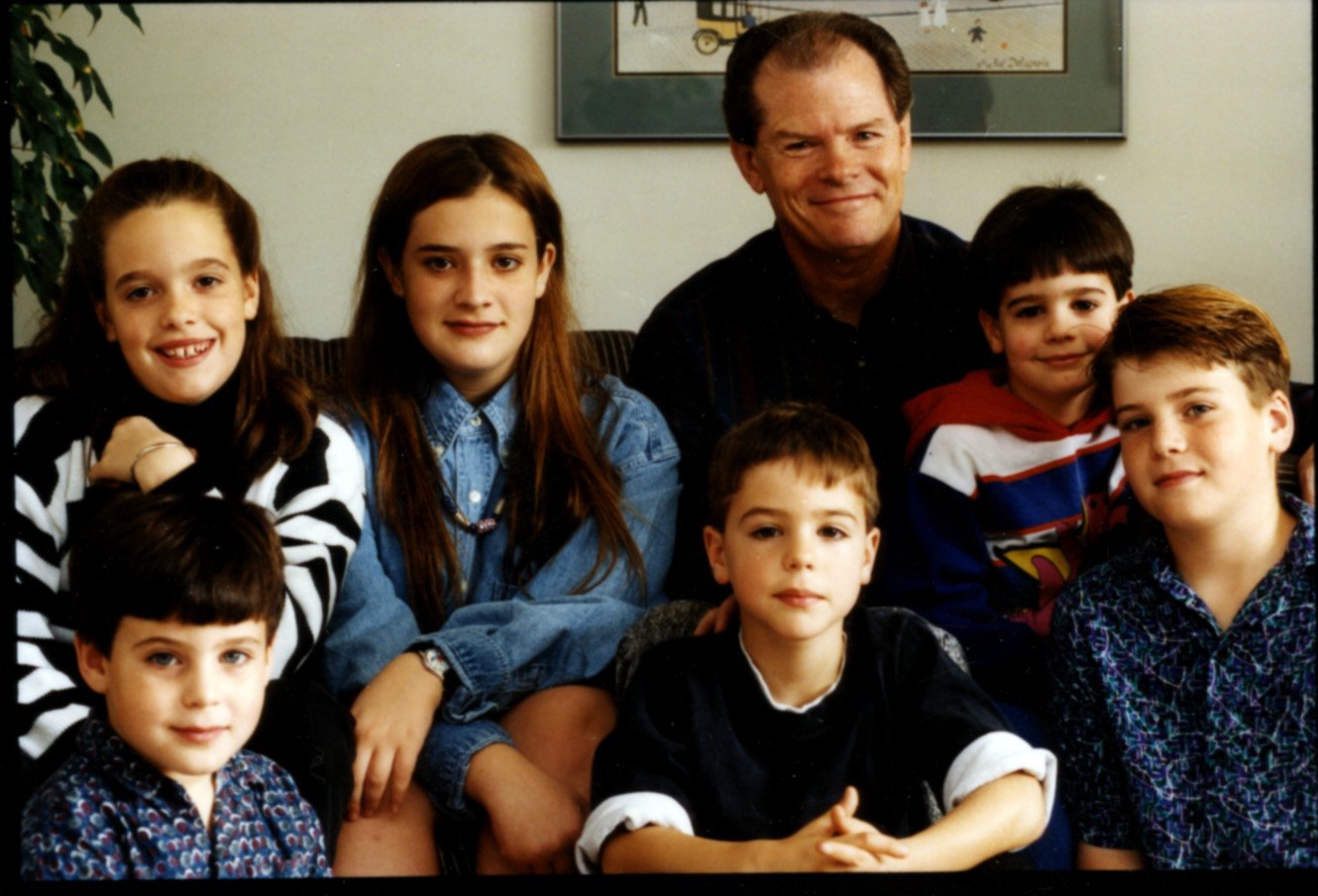
As a child, Brockett’s family moved from Chicago to California before arriving in Spokane in 1947.
He graduated from Lewis and Clark High School in 1954 and took prelaw courses at Gonzaga University before earning his law degree in 1961.
His first legal job was working as a deputy prosecutor the same year he married Jean. Along with their four living children, they also had a daughter, Lisa, who was killed in an airplane crash in 1987.
His legal career leaped forward in 1969 when he was appointed prosecutor. He was elected to the office in 1970 and re-elected five more times.

During his career, Brockett argued cases in local, state and federal courts. Brockett later argued a case before the U.S. Supreme Court.
He was also appointed special U.S. Assistant Attorney for the prosecution of the bike gang leader Lonnie Link, who was convicted of killing Spokane Police Officer Brian Orchard in 1983.
He retired as prosecutor in 1994. He then battled colon cancer.
Within a couple years, Brockett found his way back to legal work by taking on several part-time cases for a local law firm.
“I was getting bored, sitting around reading books. There’s only so many days you can play golf,” Brockett said in 1997.

He then turned from reading books to writing them. In 2016, he finished “The Tyrannical Rule of the U.S. Supreme Court – How the Court has Violated the Constitution.”
Brockett, at the time, said his purpose of the book was to explain the history of how a single branch of government had become such a powerful political body.
“My purpose was to stir people up,” he said. “To get people thinking.”
In the book Brockett wrote that “… the Court is attempting to reach a result it believes it should reach and needs to find some reasoning to support its conclusions therefore it avoids all requirements of the Constitution and creates words or phrases as justification.”
He acknowledged that the subject matter was a bit intense.
“I want people to have to read it two or three times before they really understand it,” he said in 2016.
But those ideals he professed and wrote about were real, said Wetzel, his former colleague.
Brockett had a couple standing policies for those attorneys working under him.
“If you passed a stipulated polygraph, he would dismiss the case. If the case had a hung jury, he would just dismiss the case,” Wetzel said. “He also discouraged deputy prosecutors from making sentencing recommendations.
“He said it was up to the judge to impose sentences without deputy prosecutors’ input,” he continued. “He had a lot of things that were designed to make sure people got fair trials.”
Longtime Spokane defense attorney Carl Oreskovich did not ever lock horns with Brockett, but he was aware of Brockett’s influence.
“Brockett was the prosecutor for six or eight of my early years in practice,” Oreskovich said. “I never tried any cases against him, but I had lots of dealings with him and his charging decisions.”
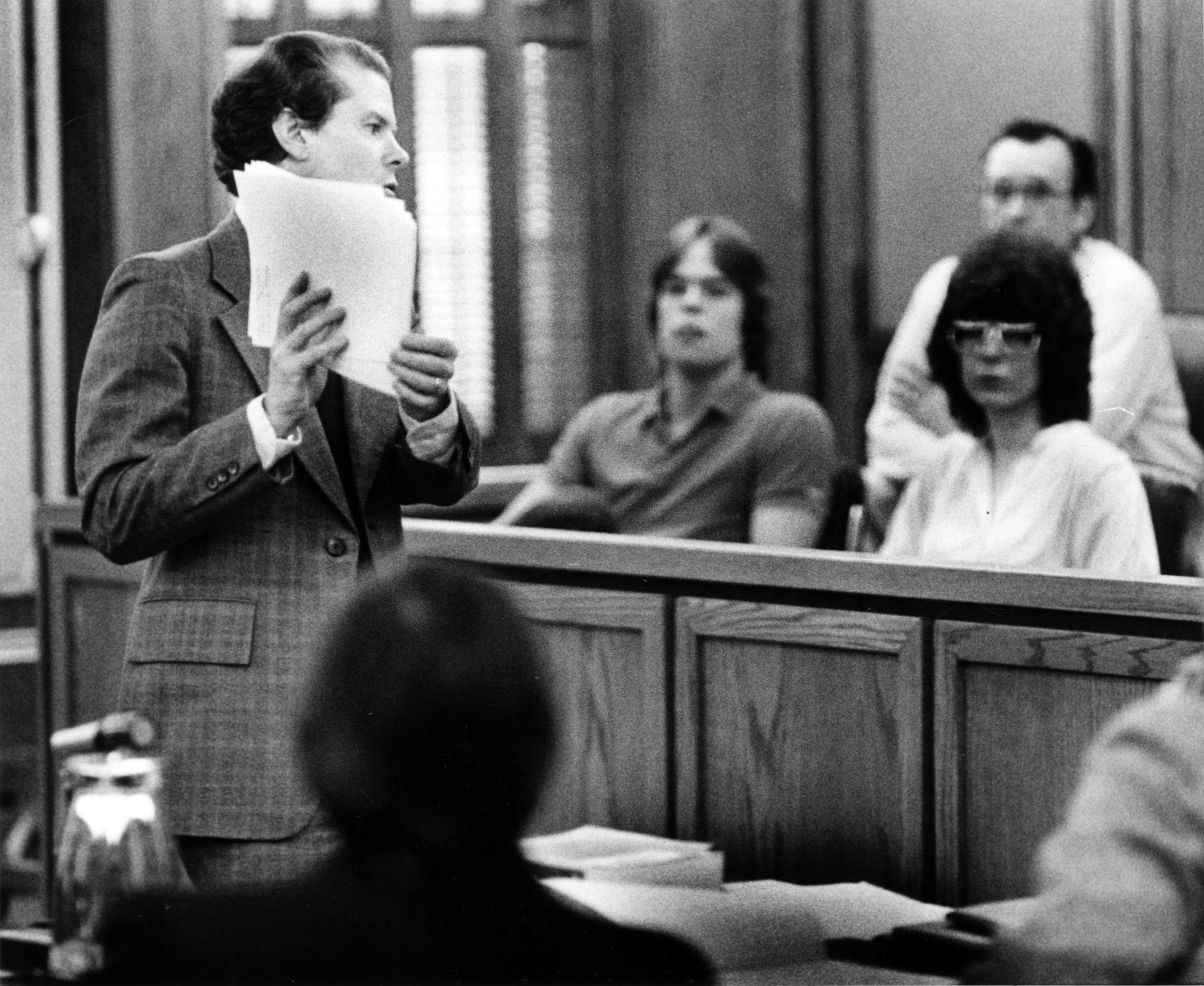
Oreskovich said Brockett was always “conscientious about his appearance and his actions. And not about his physical appearance. He was concerned about the ethics and power of his office. He was always very appropriate with it.”
Though he didn’t start practicing law in Spokane until after Brockett retired, Superior Court Judge Breen Beggs said he’s well aware of Brockett’s time as prosecutor and the years that followed in which Brockett remained vocal about his beliefs.
“I was in Spokane in the ’80s for college and working,” Beggs said. “What I took away from him was that he was passionate about standing up for the survivors of crime and their families. He was 100% committed to that. That was his through line.”
Brockett’s hardline views on justice inspired several others in his field, Beggs said.
“I always admired anyone who spoke truth to power,” he said.