
Kevin Coe, known as ‘South Hill rapist,’ dies

The man known as the “South Hill rapist,” who stoked fear throughout Spokane starting in the late 1970s, has died, a spokesperson for the Federal Way mayor’s office confirmed Wednesday.
Fred “Kevin” Coe, 78, terrorized the city from 1978 to 1981 and was accused of raping dozens of teen girls and women on Spokane’s South Hill. Authorities believe he is responsible for the rapes of 30 to 40 people, according to court documents and previous reporting from The Spokesman-Review. Ultimately, only one conviction held up as courts rejected the use of hypnotism on some of the witnesses.
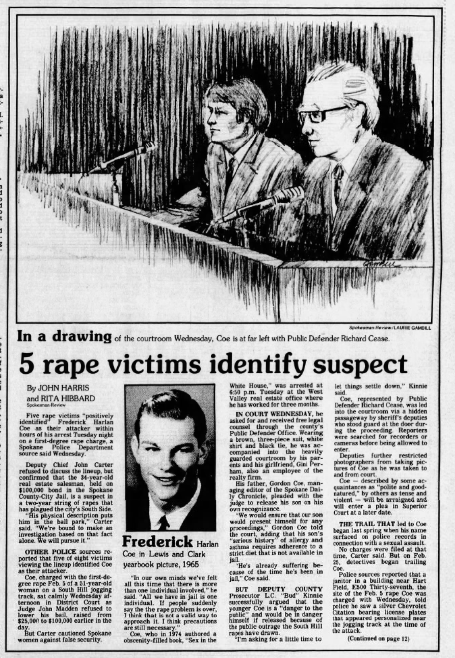
Coe died nearly two months after he was released from civil commitment on McNeil Island, where he had spent the past 19 years.
Kyle Buchanan, a spokesperson for the Federal Way Police Department, said officers responded to reports of a medical emergency at approximately 5:25 a.m. on Wednesday. When they arrived, medics were performing CPR on Coe, who was unresponsive.
Coe was pronounced dead at the scene. It is believed Coe died of natural causes.
His death closes a chapter on one of Spokane’s most notorious criminal cases.
Coe was arrested on March 10, 1981, after investigators became aware of a pattern of attacks along bus routes in Spokane and a victim jogging at Hart Field came forward, according to previous reporting by The Spokesman-Review. Spokane Police Department detectives recalled hiding in trees and conducting stings in an attempt to identify the perpetrator.
According to the state’s trial memorandum for the 2008 trial to commit Coe, the victim in the case that did not get overturned was attacked after she got off a bus on the way home from work downtown on Oct. 23, 1980. A stranger jogged past her. When she approached 22nd Avenue and Rebecca Street, Coe jumped out of the bushes where he had been lying in wait, forced a gloved hand into her mouth and raped her. He also threatened to kill her if she called the police, The Spokesman-Review reported.

His father, Gordon Coe, was the managing editor of the Spokane Daily Chronicle, Spokane’s evening newspaper. His mother, Ruth Coe, later was convicted of attempting to hire a hitman to kill the judge in her son’s first trial, George Shields, and seriously harm Spokane County Prosecutor Don Brockett. (Brockett died last month.) But the man she paid $500 to seek her revenge was an undercover police officer. She served a year in jail.
Kevin Coe told a Seattle newspaper that he had helped prepare her defense. Asked if that was true while walking out of the courtroom after Ruth Coe was convicted, his mom’s defense attorney, Carl Maxey, responded: “Like the shark helps the swimmer.” His younger sister, Kathy Coe, defended her mother and brother and in the 2008 trial offered to pay for Kevin Coe’s living arrangements if he were to be released.
The case sparked widespread media attention, a 1983 book written by true-crime author Jack Olsen and a made-for-TV movie.
Patricia Thompson, Spokane County’s first female prosecutor and one of the attorneys who put Coe behind bars, told The Spokesman-Review in September that she was surprised that Coe may be released from custody after more than four decades.
“Some people probably will say he should rot away and never be released, except in a coffin,” Thompson said. “Others would say he served enough time. … For me, I thought he would be there forever.”
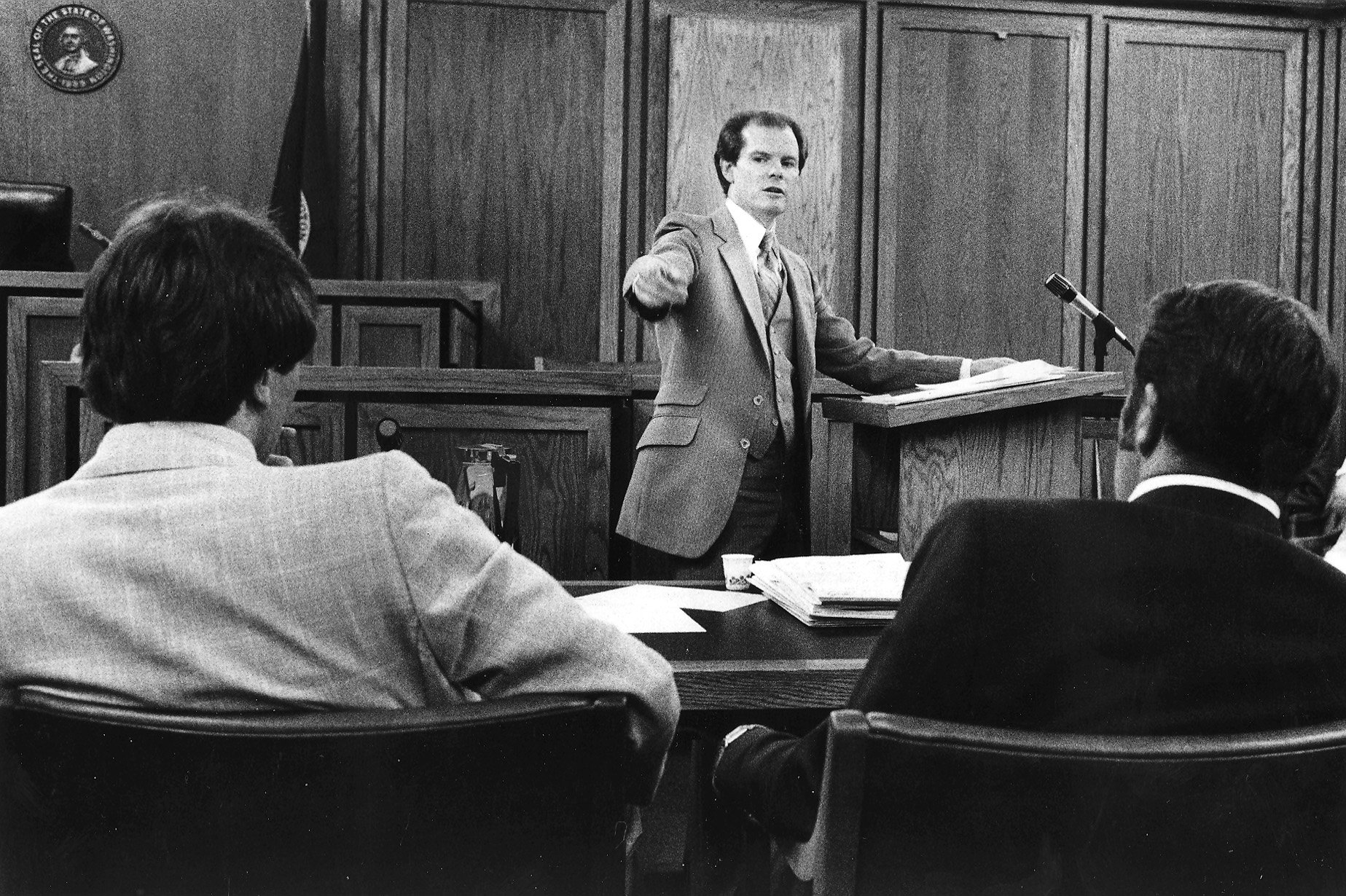
Following Coe’s conviction, he spent decades filing appeals in an effort to free himself from custody. The Washington Supreme Court overturned four first-degree rape convictions in 1984 in part because three of the victims had been hypnotized by police prior to identifying Coe as the suspect. During a second trial in 1985, which was held in Seattle due to publicity of the case, Coe was found guilty of three counts of first-degree rape.
The state Supreme Court subsequently overturned two of the convictions, again citing hypnosis, though one remained.
As his 25-year prison sentence neared completion, Coe spoke to a reporter from The Spokesman-Review at the Walla Walla State Penitentiary in May 2006 in an attempt to clear his name. During the interview, Coe claimed his sperm had greater vitality than the sperm samples taken from the rape victims, a theory rejected by jurors during his second criminal trial.
After serving a 25-year sentence at the Walla Walla State Penitentiary, Coe spent the past 19 years on McNeil Island after former Attorney General Rob McKenna petitioned to civilly commit Coe for treatment as a sexually violent predator.
During a 2008 trial, Assistant Attorney General Todd Bowers said Coe was “unrepentant and untreated.”
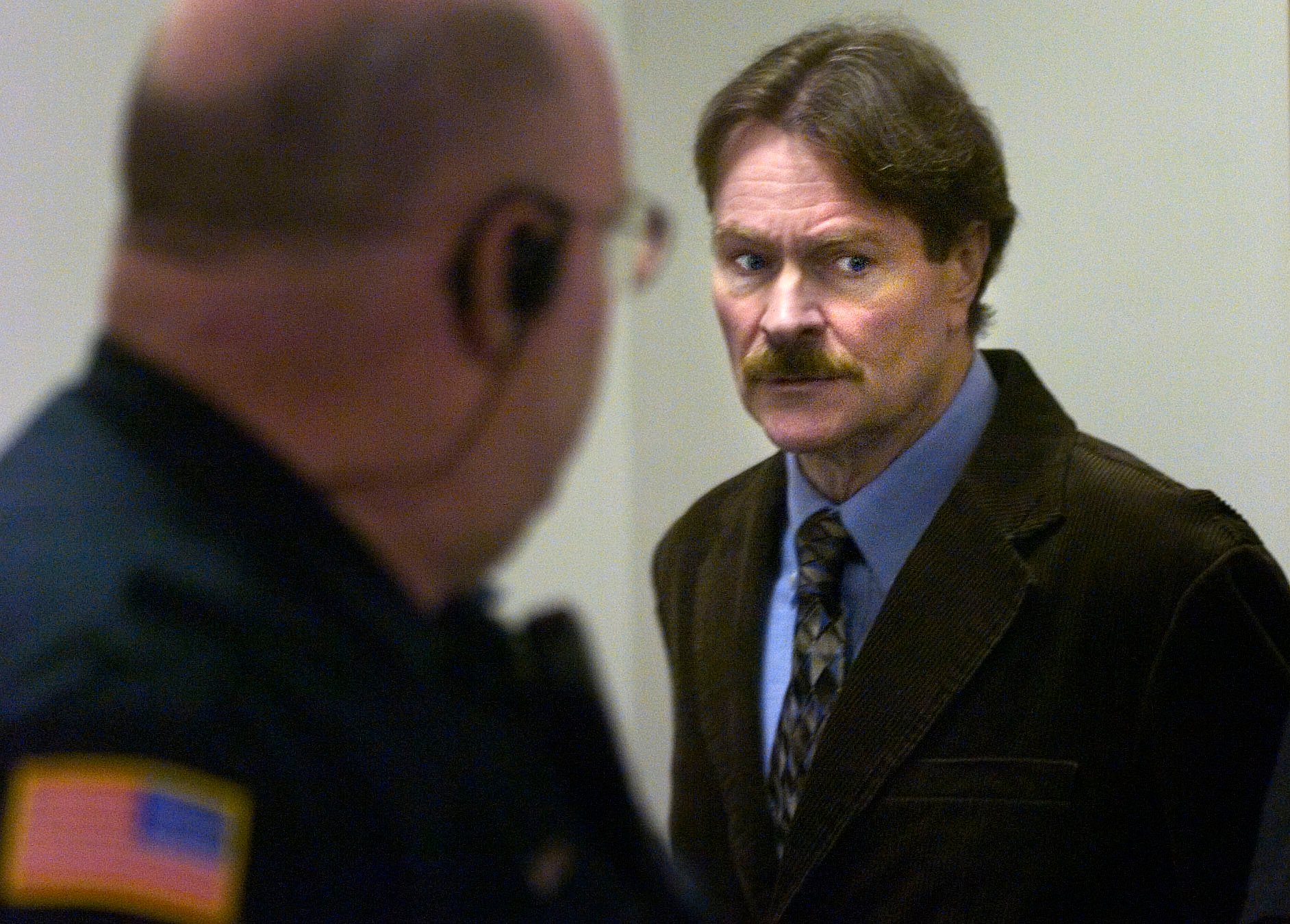
“He is mentally disordered and dangerous,” Bowers said as he argued for Coe to be classified as a sexually violent predator.
To remain in civil commitment, the Attorney General’s Office must prove each year beyond a reasonable doubt that a sexually violent predator is likely to reoffend if released from treatment. Citing his failing health, the attorney general’s office said in September they could no longer meet this burden of proof.
Neither the state of Washington nor Coe’s attorneys objected to his release from custody. Spokane Superior Court Judge Julie McKay, who recently oversaw Coe’s case, had no way to block it.
While Coe waived his right to appear at an October hearing to determine whether he could be released from custody, his victims recalled the trauma he had inflicted upon them.
“You gave me a life sentence,” one woman said through tears. “The fear will never go away. I was just a young adult, and you destroyed over 40 years of my life.”

Coe was released from McNeil Island in October. Court records indicated he had suffered a stroke, and also had heart failure, degenerative disc disease and other ailments.
Following his release, Coe initially moved to a group home in Federal Way, prompting outrage from concerned neighbors. Coe then moved to a group home on Auburn’s east hill, though the Muckleshoot Indian Tribe ordered Coe off their land in October shortly after he moved into the group home.
Coe was required to register as a level three sex offender, the highest classification in the state, which is defined as having a “high risk of reoffending” and being a threat to the community.