
Maggots’ DNA may ‘revolutionize death investigations,’ researchers say
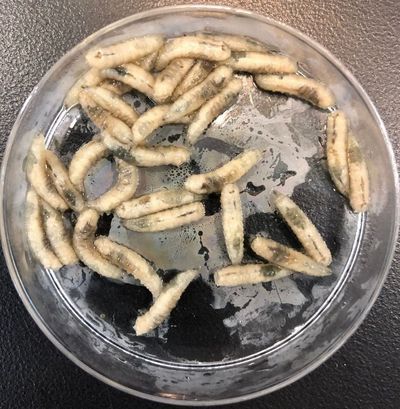
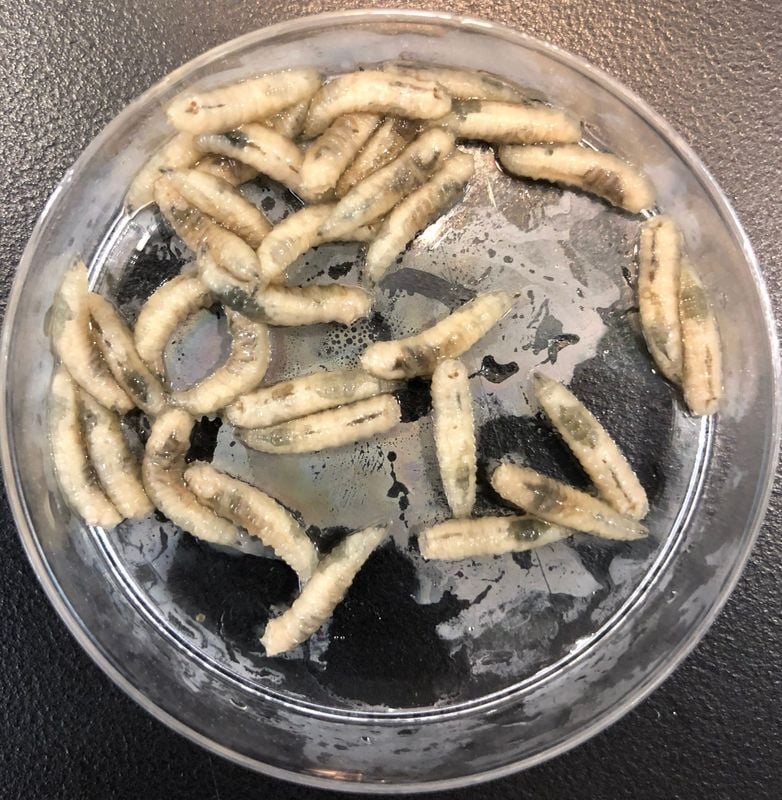
Maggots may be the key to more accurately determining when people died, according to Florida researchers, pointing to the genetic makeup of larvae.
The findings build on previous methods that investigators have used to determine when people died. Currently, investigators rely on the outer appearance of maggots and the presence of eggs on decomposing bodies to estimate people’s death dates.
However, researchers at Miami’s Florida International University (FIU) have found that by observing maggots’ genes and metabolic changes, investigators can better estimate when people died.
Calling the discovery a molecular “clock,” the university said in a news release that the finding could “revolutionize death investigations worldwide.” The research was published on Thursday in the peer-reviewed journal PLoS Genetics.
Here is how the method works, and more on why researchers believe it is so important in determining time of death.
How does the current method work, and what’s wrong with it?
Leading the research team is FIU biologist Matthew DeGennaro and forensics researcher Jeffrey Wells. According to the researchers, investigators often rely on maggots, or fly larvae, to determine the time passed since someone’s death. The larvae, which are among the first to feed on decomposing flesh, help investigators determine the time passed since death with their size, weight and appearance, the researchers said.
The older the maggots appear, the longer the person has been deceased, according to the researchers.
The researchers also stressed that maggots are cold-blooded, so when pinpointing the time of death, investigators must also consider temperature and time.
One limitation of the current method is that maggots have a period during which their outer appearance does not change significantly. This period is called the third instar, and can last hours or days, according to the researchers.
During this period, the larvae eventually stop feeding, then wander away from the body and retreat into soil or clothing, searching for a place to later transition from larvae to adult flies, according to Simon Fraser University.
By relying on maggots’ outside appearance, which is at a standstill for some time, investigators cannot make the most accurate prediction of the time of death.
What’s the new method?
The FIU researchers observed the genetic makeup of larvae during the third instar period, where they change very little in appearance.
Analysis was done at 10-hour intervals. During these 10-hour intervals, as the team studied the genetic makeup of maggots, Ph.D. candidate Sheng-Hao Lin discovered nine genes that differed in the older larvae.
This analysis allowed the team to “create a molecular clock” that could give investigators a more accurate age for the larvae, helping to determine a more precise time of death in death investigations, the university wrote on its website.
Now, the molecular clock can be tested outside of the lab, according to the researchers. The team also found the following:
- The maggots began to show signs of wandering at 90 hours old.
- The maggots showed no noticeable changes in weight or size between 110 and 130 hours old.
- Wandering became the predominant behavior for maggots once they reached 130 hours old.