
Why Pacific Northwest farmers depend on Snake River dams
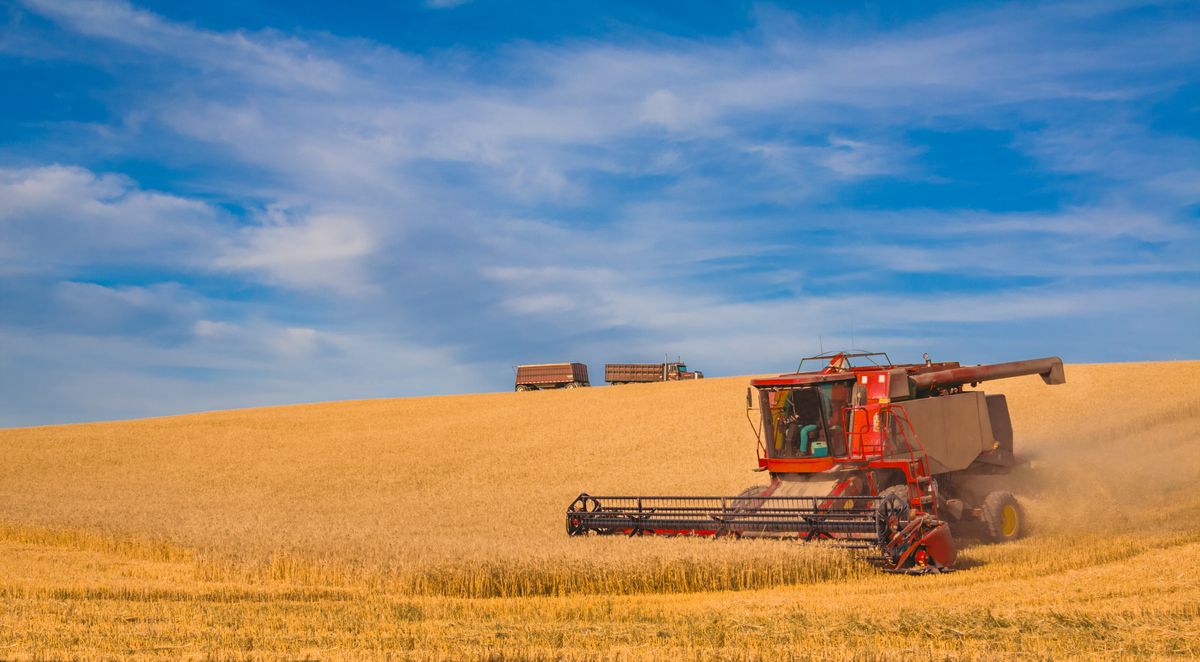
Every year, Washington’s wheat fields produce over 144 million bushels of grain—enough to fill more than 144,000 tractor-trailers. However, getting that wheat from Eastern Washington to customers overseas requires a transportation system that works. For wheat growers across the Pacific Northwest, that system hinges on the reliability of the Lower Snake River Dams (LSRD). These structures don’t just generate power or manage water levels—they create a navigable corridor that keeps Washington’s wheat competitive on the global stage.
The Economics of Moving Mountains of Grain
Barging wheat down the Columbia-Snake River system costs significantly less than trucking or rail transport, savings that translate directly to a farmer’s bottom line. For example, a single four-barge tow can transport what would otherwise require 538 semi-trucks or 140 rail cars.
“Transportation costs can make or break a sale to international buyers,” explains Michelle Hennings, Executive Director of the Washington Association of Wheat Growers. “When you’re competing against wheat from Australia, Canada, or Russia, every cent per bushel matters.”
Estimates suggest that losing barge access could increase transportation costs by forty to sixty cents per bushel—sometimes more. For a wheat grower operating on already compressed margins, facing rising costs for fuel, fertilizer, and equipment, that increase isn’t just problematic, it’s potentially devastating.
The Promise of Dependability
Cost is not the only factor. International wheat buyers demand consistency. When a customer in the Philippines orders Washington wheat, they’re not just purchasing grain—they’re purchasing a promise of on-time delivery. That promise is what builds long-term trade relationships and keeps Pacific Northwest wheat in demand year after year.
The Lower Snake River Dams make that promise possible. Unlike trucking, which can be delayed by weather, accidents, or driver shortages, and unlike rail, which competes with other freight priorities, barge transportation offers regularity—moving grain downriver on schedule and meeting contract deadlines.
A Fragile Farm Economy Under Pressure
Today’s wheat growers operate in an extraordinarily challenging economic environment. Commodity prices fluctuate wildly based on global weather, geopolitical tensions, and currency exchange rates. While input costs—seeds, chemicals, machinery—continue climbing. Many Washington family farmers who’ve been farming the land since the late 1800s, operate on thin profit margins, meaning one bad season or unexpected expense could threaten generations of agricultural heritage.
“Wheat growers rely on the LSRD to move their crop efficiently,” notes Hennings. “Moving wheat by barge is cost-effective, dependable, and capable of handling large volumes of grain. If dams were not reliable, transportation delays or interruptions could occur, making it difficult for farmers to fulfill contracts with international buyers. Such unreliability erodes trust with customers, which would cause wheat growers to lose business and, in turn, force farmers out of business. The farm economy is currently under pressure from fluctuating commodity prices, rising input costs, and other market challenges. Many wheat growers operate on very thin profit margins. Any increase in transportation costs due to reduced dam reliability could be the tipping point for struggling farmers, forcing them out of business.”
The Ripple Effects Beyond the Farm
When wheat moves efficiently to export terminals, it supports thousands of jobs—from barge operators to port workers, from agricultural suppliers to the rural businesses that serve farming communities. Moreover, the same dams that enable wheat transportation provide other critical benefits: irrigation water for crops, flood control protecting riverside communities, and carbon-free hydroelectric power that keeps energy costs low for farms and families alike. These integrated benefits create a system where agriculture, energy, and commerce work in concert.
Your Voice Matters
As discussions continue about the future of the Lower Snake River Dams, wheat growers urge policymakers to recognize what’s at stake. For the families who grow America’s wheat, for the communities that depend on farming for their livelihoods, and for the international customers who rely on dependable grain shipments, the reliability of these dams represents something fundamental: the ability to continue a way of life while feeding a hungry world.
Northwest RiverPartners invites you to become part of this crucial conversation. By signing up at nwriverpartners.org, you’ll stay informed with the latest policy updates and advocate for the clean, reliable, and affordable energy that powers our region. Your voice is the most powerful tool in protecting our dams and securing our access to the infrastructure that makes Pacific Northwest agriculture possible.
Join the movement to protect the hydropower system that feeds the world and powers our future. Visit nwriverpartners.org to learn more and get involved.