
Ask Dr. Universe: It may have been children who helped develop language
Dr. Universe: How did humans invent any language? How did they communicate back then? How did they know that difficult meant hard and what hard meant, too? – Anika, 10, Georgia
Dear Anika,
At my house, we have a cat. When she needs a treat, she smacks her lips. When she wants outside, she paws the door. But she never talks to me using words.
I asked Nancy Bell how my human friends developed language. She studies linguistics at Washington State University.
Bell told me that we don’t know exactly how or when it all started. All kinds of scientists want to figure that out.
“It’s just part of our species that we want to make meaning,” she said. “We want to communicate. That desire is what leads to language.”
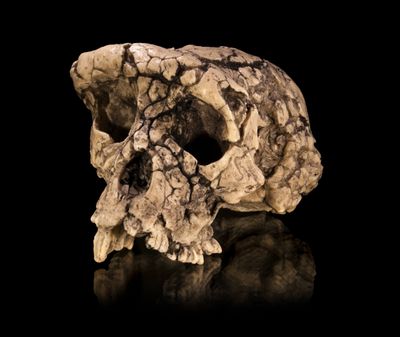
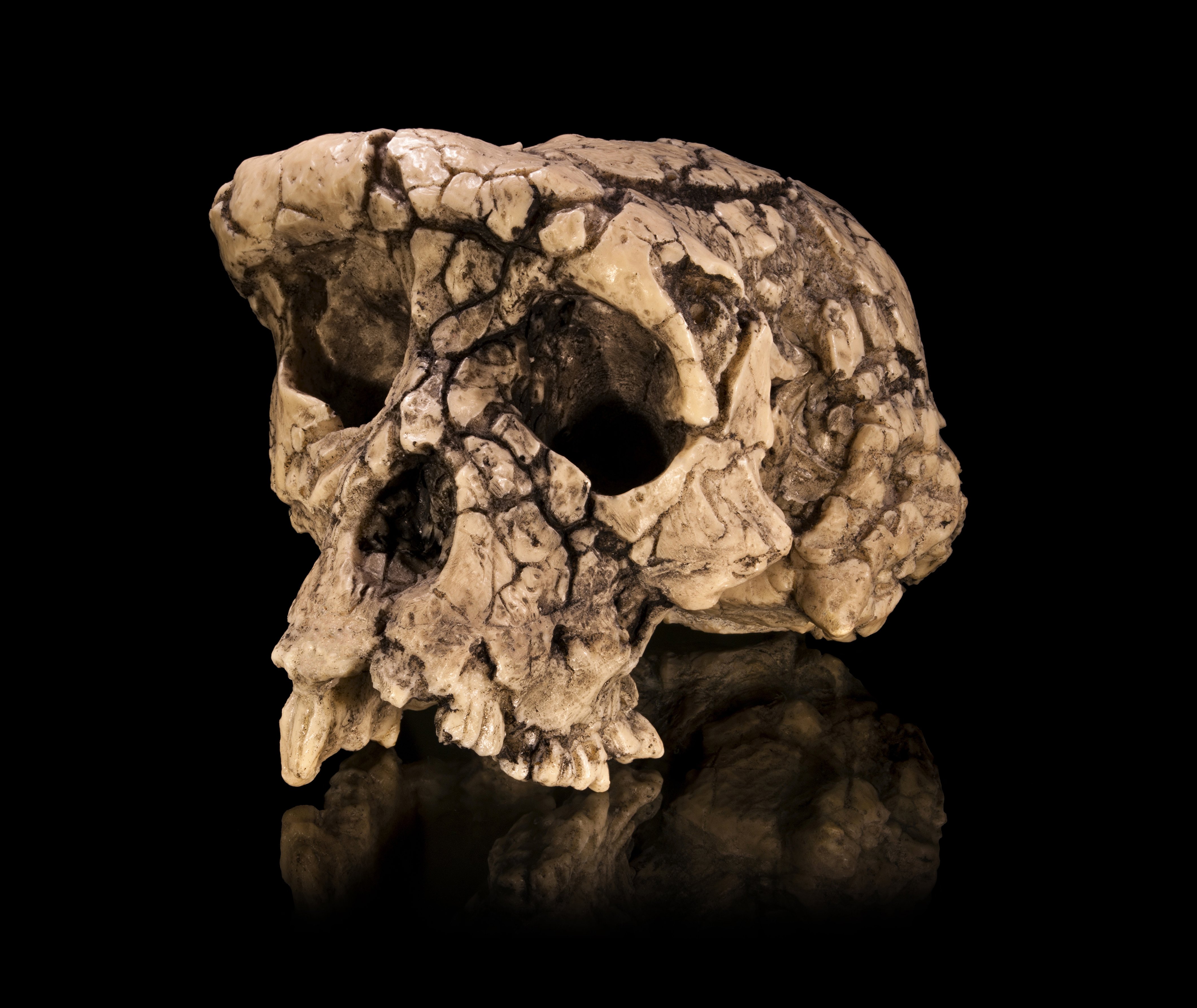
Scientists use the word “hominin” to mean humans, chimpanzees and bonobos plus all their ancestors.
The earliest hominins walked on four legs or moved through the trees. They used gestures and alarm calls. They probably pointed, waved their arms and used facial expressions. They probably screeched to alert others to danger.
Eventually, hominins began walking upright. Now they could carry things and someday use tools. They could gather and even cook new foods. It probably helped them adapt to changes in their environment.
Hominin brains got bigger. They began having super helpless, big-headed babies. Parents had to care for those babies for a long time.
Gradual changes and pressures like these inched hominins toward language.
“Once all these changes started happening over long time periods, those changes pushed each other,” Bell said. “Maybe we got a little more sophisticated. That put more demands on our brains, and that led to even more brain changes.”
We only have theories about how words got started.
Some experts think gestures led to language. Maybe some hominins used their hands and bodies to express ideas. Then they added words as their vocal tracts adapted to make different sounds.
That language would have been pretty simple. Maybe someone came up with useful words. Like “rock” and “hard” meaning solid-like-a-rock. But words for abstract ideas, like “hard” meaning difficult, probably took longer.
My favorite theory is that kids started complex language. Remember those helpless, big-headed babies? Some scientists think some babies were randomly born with tiny changes in how their brains developed. Part of their brains developed extra slowly.
That would have been a nightmare for hominin parents trying to keep their toddlers safe.
But slower brain development is why today’s humans can use imagination and creative thinking. Those early human kids could have come up with more complex language – by talking with each other.
As they grew up, those kids might think of new ways to hunt and solve other problems. They would have a different kind of brain power than humans before them. Their own babies would grow up with these new ideas.
That kind of change could explain why human culture seems so different from other animals.
We know early humans were making art at least 70,000 years ago. DNA evidence shows that early humans had the capacity for complex language about 100,000 years ago.
We don’t know exactly how language developed – yet. But I really dig the idea that it may go back to kids and their powerful imaginations.
Sincerely,
Dr. Universe
Adults can help kids submit a question at askdruniverse.wsu.edu/ask.