
Washington close to launching digital hunting, fishing licenses
The digital age is almost here for Washington hunters and anglers.
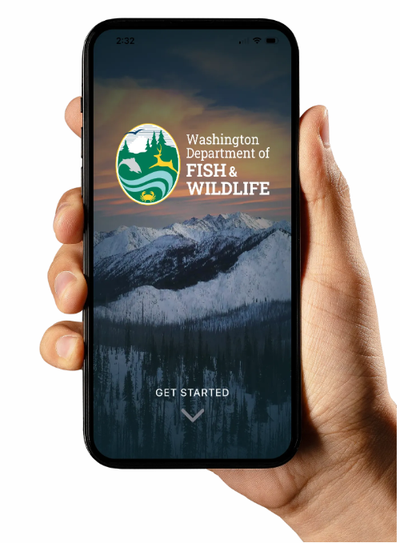
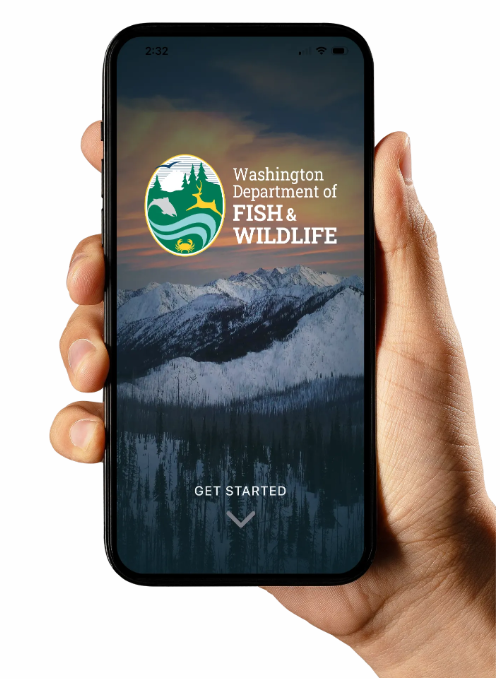
The Washington Department of Fish and Wildlife is preparing to launch its MyWDFW app next month, a move that will allow hunters and anglers to store and display digital copies of their licenses and tags on their cellphones.
Shannon Smith, the IT project manager for WDFW’s licensing division, said the app is being reviewed by Apple and Google for inclusion in their app stores, and that the agency hopes it will launch in December and be ready for the 2026 license year, which starts in April.
The launch has been anticipated for years. It comes long after most other states in the region began offering some form of digital hunting and fishing licensing.
Idaho has offered some form of mobile licensing for more than a decade, and Oregon launched its electronic licensing system in late 2018.
Smith said Washington officials had been watching what other states were doing for years and trying to learn from their experiences with things like e-tagging and offline app capabilities while developing the system.
“Honestly, we just wanted to make sure we were getting it right,” she said.
Washington’s hunting and fishing licenses have been sold online for years, but license holders were required to carry paper copies. WDFW mails licenses to people who purchase them online.
In 2023, WDFW officials finalized rule changes that made electronic copies of licenses valid when displayed through the agency’s authorized mobile app.
Two years later, the app is apparently ready for prime time. WDFW has published a webpage that shows a screenshot of the app and provides details on what it will include.
The digital option is not replacing paper licenses, though a WDFW news release published Wednesday describes it as “the first step in the Department’s long-term plan to phase out durable-paper stock licenses in favor of mobile licensing.”
When the new license year begins on April 1, hunters and anglers will choose between digital or paper licenses. Whatever they choose, they will have to stick with that option for all of the items they purchase that year.
Anything they normally get in paper form will be available through the app, including catch record cards and big game tags.
Not all states that have gone digital offer electronic big game tags. Idaho, for example, has offered some form of digital licensing for more than a decade, and just last year launched digital tags for salmon and steelhead anglers, but still requires paper tags for elk and deer hunters. Montana has allowed hunters to use e-tags since 2022. Oregon has allowed it since the launch of its system.
Smith said WDFW talked to officials in other states – such as Oregon, which used the same vendor to develop its app – about e-tagging issues and how the apps worked offline. She also said they consulted game wardens and the wildlife division about the best e-tagging process.
“Really what we tried to get a handle on was what would be the best user experience,” Smith said.
E-tags for turkeys or big game will require hunters to digitally notch their tags after they kill an animal. Then they will be required to write down a confirmation number the app provides and the harvest date on something that will not wash away in the rain and attach it to the animal.
The app will also give sportsmen the option of reporting their harvest or catch electronically, saving the trouble of turning in materials like catch record cards for salmon, steelhead and sturgeon at the end of the season. Catch record cards will also be available in the Fish Washington app, Smith said.
WDFW Director Kelly Susewind told the Fish and Wildlife Commission last Friday that he expects the digital licensing platform will lead to better catch reporting.
Dan Wilson, the Spokane-based co-chair of the Washington chapter of Backcountry Hunters and Anglers, said the system should be good for everyone involved. Hunters who use it will not have to keep track of a stack of licenses and tags, game wardens will be more efficient in checking licenses and the agency’s customer service should improve.
“Overall, it’s a win-win-win,” Wilson said.