
Recital review: YunJoung Park masterfully performed world-class works for solo piano
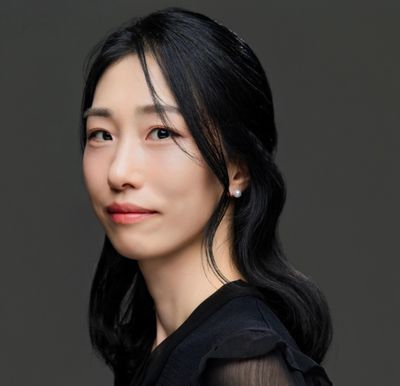
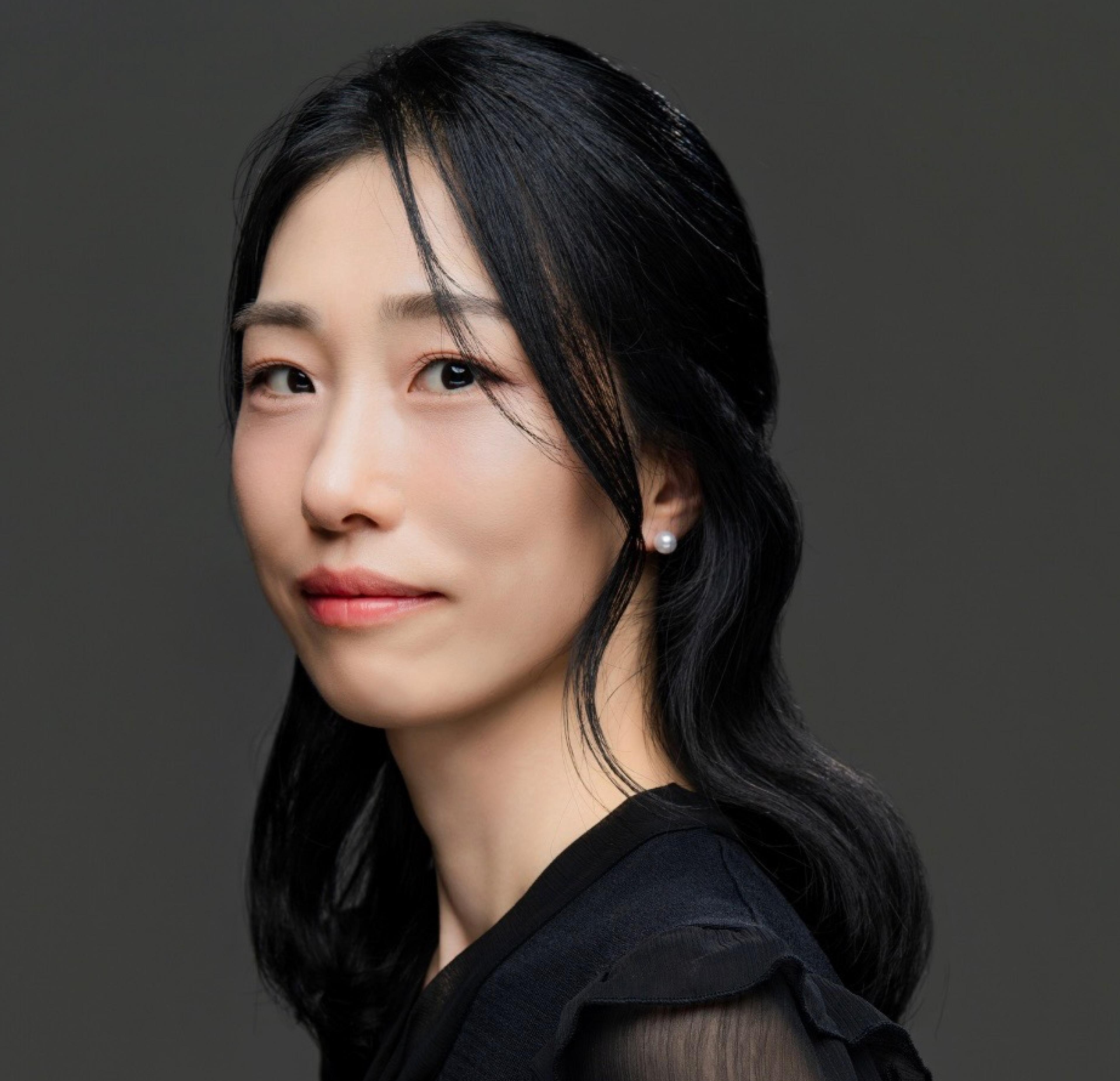
There are people all over the world who would be sorry that they were not in Spokane last Saturday afternoon, if they only knew what they missed. These people are music-lovers who especially enjoy music in the classical tradition, and in particular music written for the piano. They may live in New York, Paris or Vienna, and have access to performances by pianists of the highest international renown, but they did not have access to the recital that YunJoung Park gave to a fit audience though few at the Steinway Gallery in Spokane Valley. That was their loss.
Park performed two collections of works for solo piano that were published in the year 1837 by two composers who were well acquainted with each other’s work: Robert Schumann’s eight “Fantasiestucke” (Fantasy-pieces) Op. 12 and Frédéric Chopin’s 12 “Etudes” Op. 25. Taken together, they contain all there is to know about the art of the piano in the 19th century, with the exception of what was added by Franz Liszt. Performing them properly requires not only complete technical mastery of the instrument, but broad cultural sympathy and a sensibility that is capable of shifting in a matter of seconds from delicate intimacy to heroic exultation.
YunJoung Park possesses all of these qualities and more. To them, she adds the fire of inspired virtuosity that sets a very few artists apart from the many competent professionals. As I have noted in an earlier review of this artist, she so completely embraces the unique qualities of a composer that she appears to have switched pianos when she moves from one composer to another.
Schumann was keenly aware of the presence of two natures in his personality, the quiet, reflective figure he named Eusebius and the ardent, dynamic Florestan. In 1837, this ambivalence produced an aesthetic friction that set off brilliant sparks. As time past, it gelled into bi-polar disorder, then hardened into the schizophrenia that ultimately led to his death. As she traversed his “Fantasiestucke,” Park brought both Eusebius and Florestan affectingly to life, and always with the greatest naturalness and spontaneity. Her playing was never arch or calculated, but rather conveyed the emotional essence of Schumann’s inspiration.
While Chopin had his moods, he was always fully in command of his resources as a composer, which seem to have been limitless. He possessed an unrivalled ability to think and feel through the piano, and to marry technical effects to intensely affecting harmonic and melodic invention. Nothing he wrote more completely expresses his genius than the Etudes of Opus 25, and very few have brought them to an audience more brilliantly than did YunJoung Park did on Saturday afternoon. If you can, visit bit.ly/46JbP6k for a bit of what all those people in Paris and Vienna had no chance to enjoy.