Wide-range benefits: Local ranchers and business owners share regenerative animal usage mission
As I chatted with Jordan Barnes about his skin care products at the Perry Street Thursday Market, he picked up his vintage mandolin and strummed a down-home tune.
A rodeo wrangler who was raised in Puyallup, Washington, Barnes now resides in Coeur d’Alene.
A few years back, he left the city lifestyle behind to work on his family’s 7,000-acre cattle ranch in central Montana. Amid the clear skies and open pastures, he felt a deep connection to his Norwegian homesteading heritage. After visiting a friend’s ranch in Sandpoint, he was awakened to food waste from butchered animals … particularly the nutrient-rich fats and marrows of suet and bones.
Curiosity turned to purpose.
In an effort to move beyond that “What’s for dinner?” concept of beef, Barnes began to experiment with animal trim and organ parts in his kitchen.
“I started out with a meat grinder, trying to put liver into hamburger and find different blends,” he said.
He later founded Marrow and Tallow, an innovative skin care company which creates products from rendered cow and bison fats.
“A lot of the answers to everyday health issues are being thrown away,” Barnes said. “We’re at a unique point and time where we kind of left behind the necessity to use everything and we’re starting to feel the effects, the pain points, of what happens when your health degrades when you leave those things out.”
Free from harsh chemicals, hydrating Marrow and Tallow balms are rich in essential fats, organic cold-pressed jojoba oil and plant extracts. The company’s signature collagen cream is crafted with methylene blue … a potent antioxidant known for its skin-rejuvenating properties.
“The building blocks you use really matter … your skin absorbs and it becomes a part of you,” said Barnes, who has partnered with Okanogan Highland Bison Ranch in Oroville and Ramstead Ranch in Ione, Washington.
It is a win-win situation for everybody involved.
“It’s awesome, because what Jordan’s doing is taking products that are not as highly desired, the things that we don’t necessarily put on our plate,” said Ramstead Ranch owner-operator, Eileen Napier. “As farmers, we’re able to sell what would have been a waste product to him so that he can create a nice product for his customers.”
A pasture-based, regenerative farm operation, Ramstead Ranch is free from herbicides, pesticides, hormones and genetically modified organisms. Napier said meats and other goods derived from animals raised in this type of biodiverse environment pack multiple health benefits.
“They’re going to be more nutrient-dense. There are studies that show they’re higher in the fats that are good for our bodies, so they promote healing as opposed to inflammation,” she said.
Ramstead Ranch sells beef, bison, pork, chicken, turkey and lamb products online for home delivery or pickup.
Whole animal use is gaining momentum.
Dave Allee was steered down the path after losing an entire freezer filled with meat to an unplugged power cord.
“I had to throw it all away,” he said.
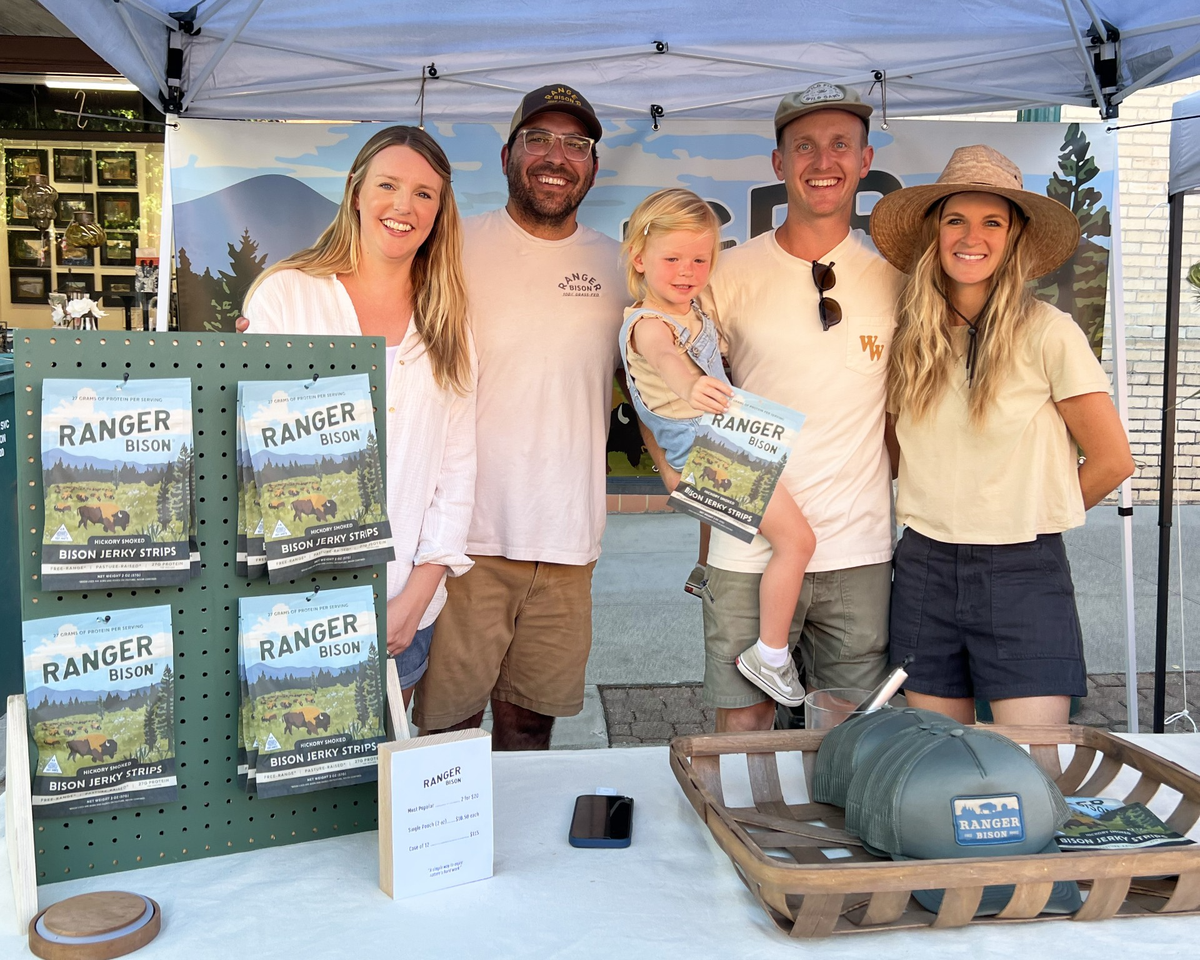
The costly incident got his creative wheels spinning about food preservation. Dehydration quickly came to mind. In an “aha” moment, Allee launched Ranger Bison. The Coeur d’Alene-based company sells four distinct varieties of jerky, including a popular Ancestral Blend which is crafted from 30% bison liver.
“We really wanted it to be like bison meat with some spices … just keep it super clean and not disguise what it is,” Allee said.
Packed with protein and iron, his 100% pasture-raised bison jerky products are even being sold at Yellowstone National Park.
“That was a big, big, big deal for me personally,” Allee said.
The Ranger Bison crew is now working on a sugar free jerky stick for kids which they hope to unveil next year.
The missions of Barnes and Allee overlap.
After meeting as vendors at the 5th Street Farmers Market in downtown Coeur d’Alene, they formed a close friendship.
“The idea then became, “OK, what if we went in on a whole animal together?” recalled Allee. “I’ll make my product from the meat, you make your product from the fat and the bones and then we’ll have this like really concise, neat, tidy whole animal utilization story that we can really tell to just help get people to think differently or just to look at the way they purchase or utilize the resource.”
That plan is now in the works.
For Allee, having developed a familiar product to sell which also helps ranchers reduce animal waste has proven extremely rewarding.
“Oh, I love it,” Allee said. “Finding the overlooked opportunity and making something good and useful out of it is one of the best challenges of small business.”
Cynthia Reugh can be reached at cynthia13048@gmail.com