
Ammi Midstokke: How Mother Nature copes with humans
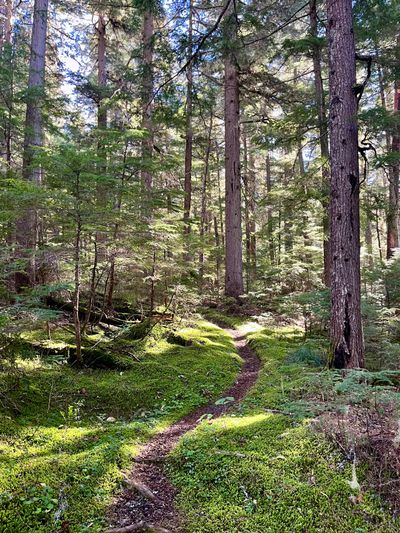
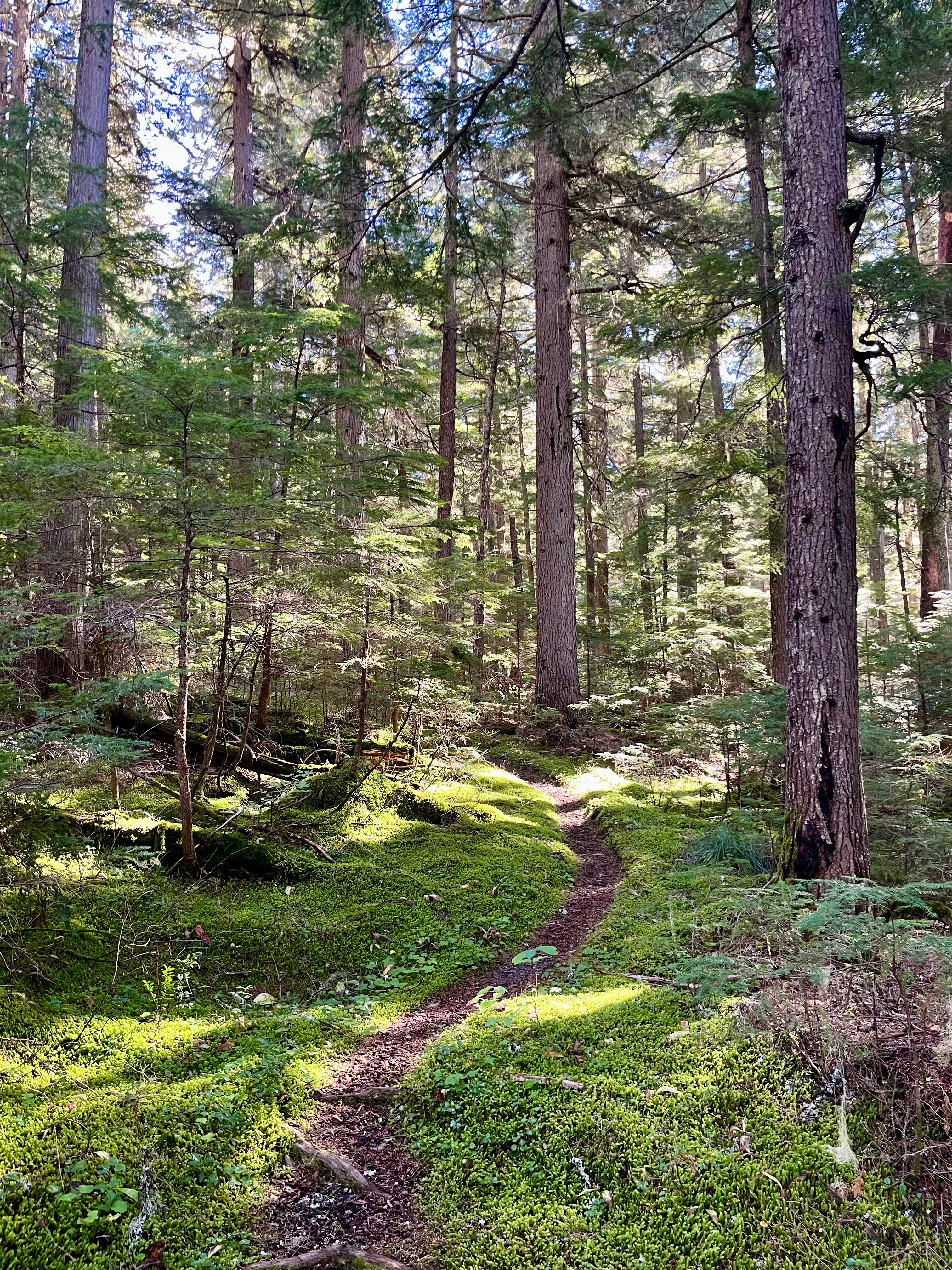
There are some places I need to go back to, year after year, as if they are a kind of touchstone to Mother Nature – a place that reminds me that not all things feel volatile, shocking or urgent.
Some years ago, a windstorm swept through the canyons of the Salmo River and blew down an army of trees. They crashed among their brethren in explosions of branches, tearing the limbs of others in their fall, and crushing centuries of moss and mycelium beneath them.
The first year, we clambered over the fresh fall and wondered at the gaping holes in the canopy.
The next year, the U.S. Forest Service (back when they were still employed) came with their enormous saws and cut through four foot trunks like they were holiday cheese logs, so that we could pass through their cheddar edges: A woodsy, perfumed gate to the next carpeted curve in the trail.
The year after that, the mushrooms began their march from soil to soft bark until the trees were covered and then just reclaimed, as if the forest floor were welcoming them back home to their birth place in an embrace of renewed purpose. The standing trees have filled in the sky once more, shielding the underworld but for a lace of dappled sunlight that trickles through in thin streams.
On the ridges above the river, a fire had burned not long ago. It raged up the slopes and scorched the landscape, leaving trees like protruding black bones of a once-forest, turning the hilltop into a kind of balding porcupine. In the open sky, the smell of the mountain shifted to something less of pine and soil, and more purified. Charcoal and oxygen, the great filters of the earth. Rain, an amniotic offering that invites the funk of biology and growth to return.
The first year after the fire, only the bear grass with its deep roots came out and covered the soil like a soothing balm. The natives have long used the masticated root of this flower as a poultice for wounds, perhaps because they watched nature do just this for millennia. Now the hillsides are covered with huckleberries and Indian Paint Brush and hundreds of other plants I cannot identify, though the names of things make them no more familiar or precious to me.
Someone burned down the lookout on Little Snowy Top in 2016. Nature has not tried to reclaim it. Instead, there is a cacophony of glass shards and bent metals and broken lumber and the kind of decimation only reckless, irresponsible, unaccountable humans can leave. A pile of trash on a rocky peak that even wind and snow cannot scrub away.
(Does anyone want to hike in with me next summer and haul out packs of rubbish? That probably breaks all kinds of rules, but I know no other way to give this summit back to its rightful steward.)
Also, if you’re missing a pair of gray boxer briefs from Target, size Large, I packed those out for you. May the chafing of your hike out have been a memorable lesson.
The seasons of the wilderness feel like the earth simply breathing in and out in an infinite cycle of patience and trust and prehistoric respiration. Maybe our mother is a buddhist (or nihilist – two philosophical approaches that seem a comfort these days) and she is well-honed in unattachment, which I have learned is not the same as detachment. Otherwise, would she have not grown tired of us and wiped us out with one calamity or another by now? Or perhaps her satisfaction is in the observing of our own self-sabotaging demise?
Or maybe she is like many of us right now, deep in meditation and just trying to remember to breath in and breath out. When I forget how, it is her wilderness that reminds me.
Ammi Midstokke can be contacted at ammim@spokesman.com