
Milan Cemetery District candidate hopes to attract volunteers
Though it’s odd to have a “race” for a commissioner position in a cemetery district, per the Milan Cemetery groundskeeper, the Nov. 4 election has two candidates vying for an opening.
One of them is incumbent James “Jim” Pittman, who stepped up three months ago after the previous two commissioners died.
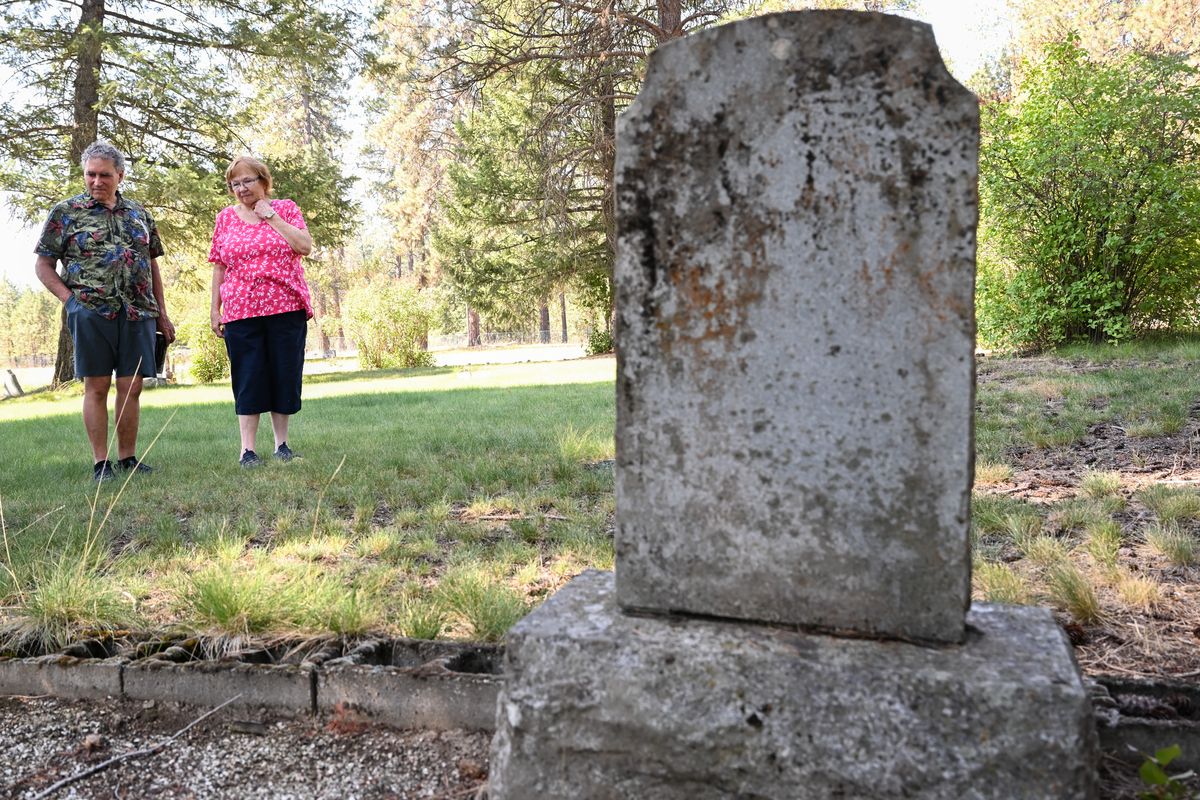
While walking through the Milan Cemetery with a Spokesman-Review reporter and cemetery district secretary Kathy Munk, Pittman, a retired nurse practitioner, said that he is still learning about the role of a commissioner, but values cemeteries for their rich history and varied functionality.
“Kathy is a neighbor, and I’ve watched her over the years be very diligent in taking care of this place,” Pittman said. “My reason for being here is just, you know, Kathy asked me – she had an opening – and since I retired from my primary care practice, there was a sense of community service.”
Pittman’s wife, Jennifer Templeton, is currently on the board of commissioner s for the cemetery as well. Pittman said that her involvement didn’t have much of an effect in his running, compared to the diligence he saw in Munk.
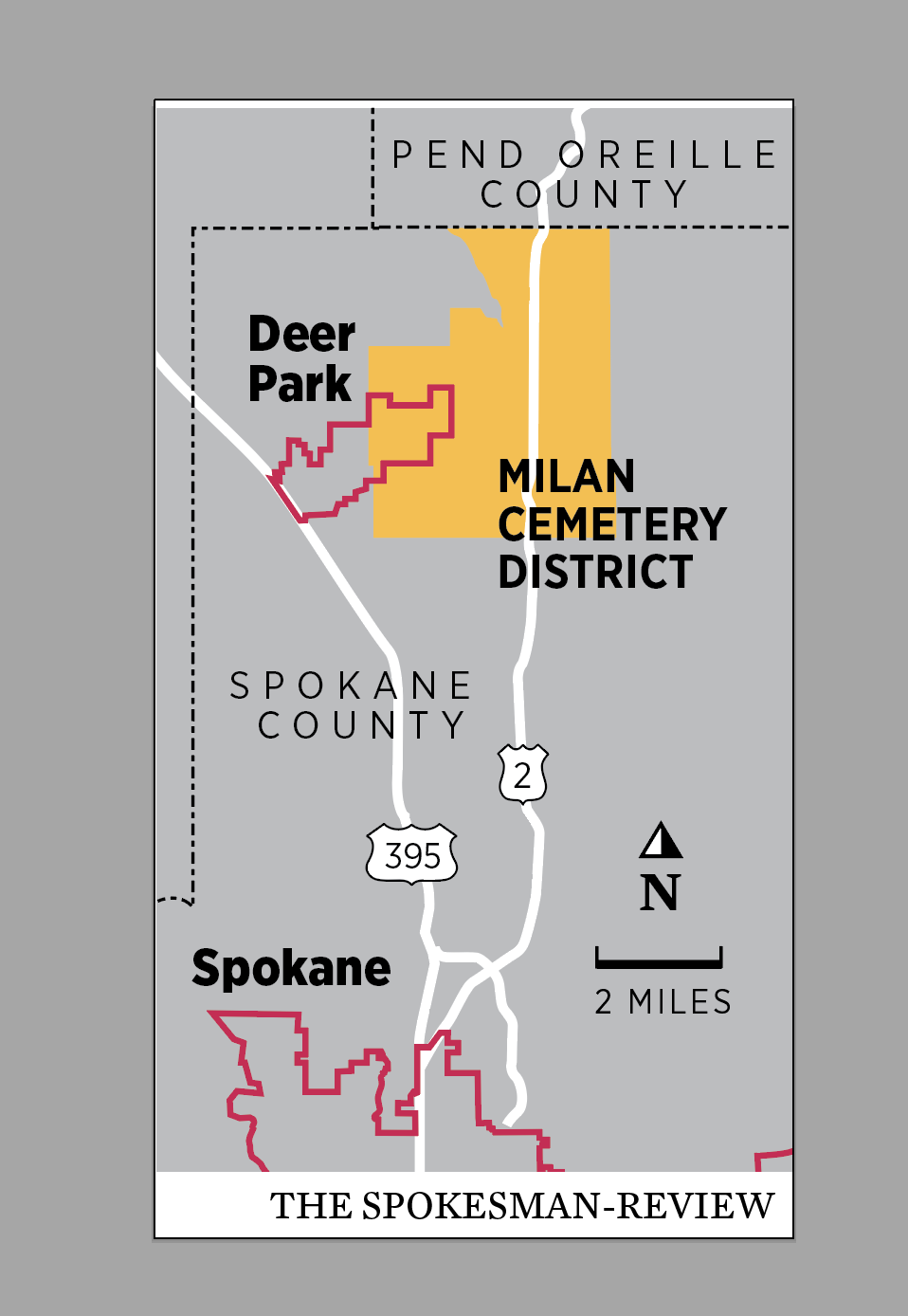
Cemetery district commissioners are responsible for managing the $20,000 in property tax funding, in Milan Cemetery’s case. As the secretary and caretaker, Munk’s monthly salary is $140 per month. Commissioners are unpaid, and the rest of the funding goes toward hiring groundskeepers, facility maintenance and paying the state auditor to audit their books.
Pittman’s opponent in the race, Kenneth Lance Barton, told The Spokesman-Review that he was too busy for a phone interview on Sept. 15. When called back on Sept. 22, Barton hung up the phone when the reporter identified themself.
Munk, 75, said she “was trying to sell my heart” to get Pittman to join the board initially.
“It’s not a glorified position, and people would rather go camping or mountain climbing or do something than worry about a cemetery,” Munk said. “And it’s a nonpaid position so you don’t get paid for doing it; it’s just donating time. People are too busy to donate time nowadays.”
High school students used to come and clean the cemetery in the spring when a couple teachers were hosting genealogy studies, Munk said. After the teachers left, though, the community service died out.
Pittman tossed out the idea of pushing for a community spring cleaning event.
“I’m just learning basically the ropes of it, and you look around and think,” he said. “What could you do if you had people that volunteer? And I think that may be a spot to look at, even connecting to – I mean, churches and things like that that run on volunteers do that all the time, you know, the cleanup day for spring or whatever.
“It’s like, why not do Milan Cemetery?”
Though still looking for part-time work and acting as his wife’s primary caregiver, Pittman said that after winding down his career as a private practice nurse practitioner, he has more time that he can devote to the cemetery.
“I have always seen people through the life spectrum, birth to death,” Pittman said, reflecting on his career. “And who knew I’d end up on this end of it?”
In his free time, Pittman plays bluegrass, blues and jazz music on the upright bass.