
Statewide audit flags $37 million in ‘questionable’ state childcare payments
OLYMPIA – A statewide audit examining how nearly $24 billion in federal funding was spent in fiscal year 2025 estimated that Washington made $37 million in “questionable payments” for child care subsidies.
The audit, which was published earlier this week, found that some providers did not respond to requests for attendance records, overbilled the state for services that were not supported by attendance records, and did not provide the required signatures from parents or guardians.
The audit also recommended that the Department of Children, Youth, and Families improve its system for detecting overpayments and says the agency is reliant on postpayment audits to determine whether providers had the required documentation.
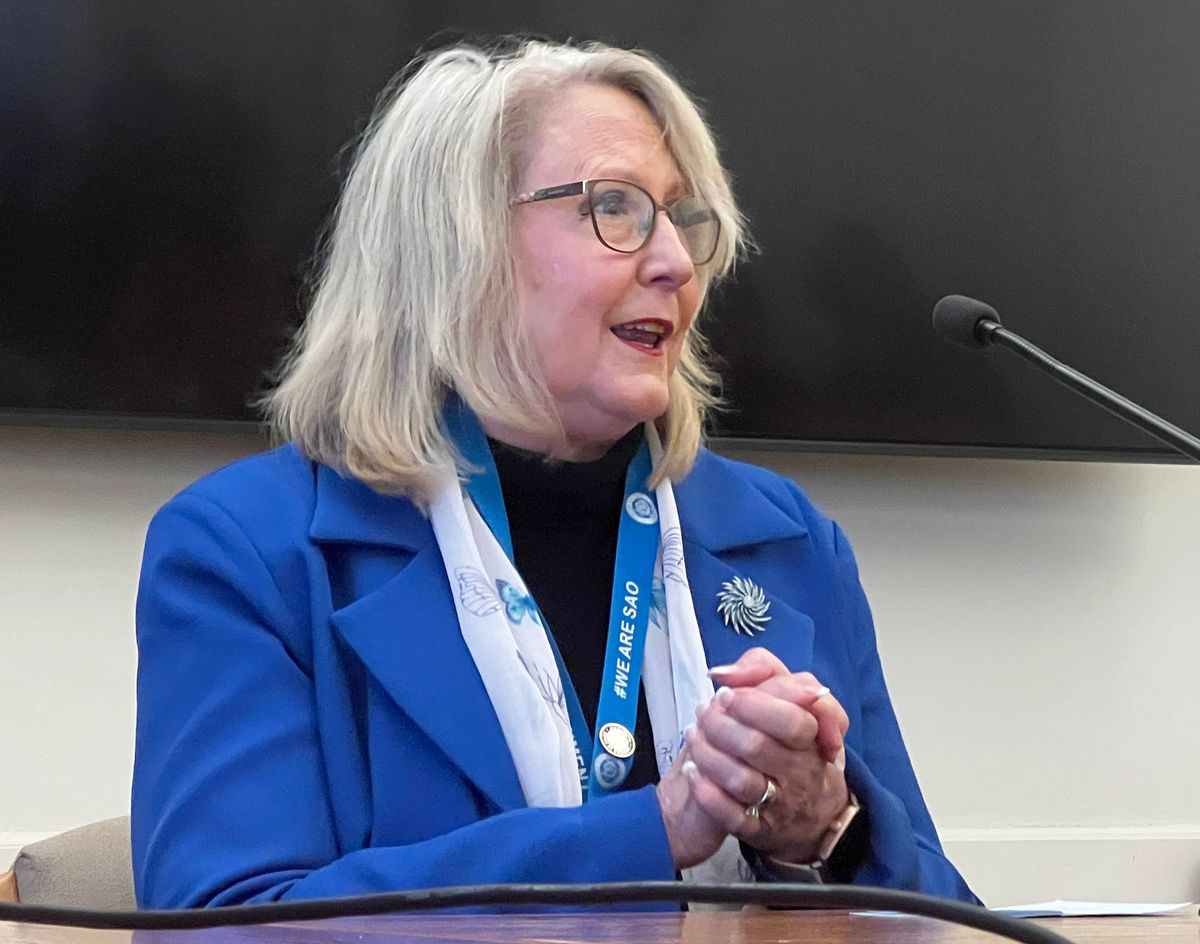
The Department of Children, Youth, and Families, the agency that distributed the funding, disputes that the audit is proof of fraud and says federal audits have not identified misused funds. State Auditor Pat McCarthy said in an interview that the audit did not identify fraud, though it did find “issues that warrant follow-up.”
“We continue to work with providers to address issues DCYF and (state auditor’s office) have identified, such as providing timely attendance records and always gathering required signatures,” DCYF spokesperson Nancy Gutierrez said in a statement Friday. “Any concerns of fraud are forwarded to the Office of Fraud and Accountability.”
Although the audit was conducted as part of a yearly process that examines whether the state is spending the federal funding it receives in accordance with federal guidelines and requirements, it comes amid heightened scrutiny of waste, fraud and abuse across the country, and an ongoing investigation into child care and nutritional programs in Minnesota.
“Based on what happened in Minnesota, there was a tendency for folks to think that that could happen in Washington state. And it’s good for people to be aware of the work that we’re doing in the state auditor’s office, because we’re doing these audits of state agencies and local governments,” McCarthy said.
The audit that was published by the state examined $23.7 billion in federal money the state spent, around 75% of the $29.5 billion the state received in fiscal year 2025. The statewide audit identified 50 findings, a reduction from the 82 total audit findings from fiscal year 2024.
“This is the biggest audit we do,” McCarthy said. “What we’re doing is we’re auditing all of these federal funds that comes in to any entity that gets $750,000 from the feds on up.”
Across 28 federally funded programs, the audit identified $8.4 million in known “questioned costs” and $113.3 million in “likely improper payments.”
Twelve state agencies were issued findings in the audit, with the Department of Social and Health Services and the Healthcare Authority each receiving eight.
“I see a positive because we have new leadership, both at the state level and at the agency level at DCYF, and I think they’re fully committed, I’ve seen it, that they’re committed to trying to reduce any findings that the state auditor’s office finds,” McCarthy said.
The most common problems identified across the state were improper or unsubstantiated payments, insufficient monitoring of subrecipients, inadequate reporting or failure to meet special provisions.
The audit estimated that DCYF distributed $27.2 million in questionable payments with federal Child Care Development Funds and $9.9 million in questionable payments in the Temporary Assistance for Needy Families program.
“What we found is that the providers of those child care services did not respond to our requests for attendance records or they were overbilled for services that were not supported by attendance records and they did not provide a required signature from parents or guardians that, you know, they may have gone on a field trip,” McCarthy said. “Those are the kinds of things that we found in that particular sampling of DCYF.”
Gutierrez said the agency is “committed to strengthening internal controls and resolving the outstanding findings identified,” and that the agency appreciates the state auditor’s office for clarifying that the “audit did not uncover evidence of fraud.”
“To be clear, DCYF has consistently met federal grant management requirements, and the federal audits of our programs have not identified any misuse of funds,” Gutierrez said. “Our agency worked with the SAO to implement changes to allow the SAO a fully audit our Working Connections Child Care program, in addition to federal oversight on the program.”
When reviewing DCYF’s audits, the state auditor found that two-thirds of the audits identified overpayments, and almost a quarter of the payments that were audited were overpayments.
The auditor’s office selected a random sample of 59 of 397,000 monthly child care payments DCYF paid from July 2024 through June 2025 and requested attendance records, provider handbooks and other documentation providers are required to maintain. The audit flagged three payments totaling $2,296 funded by the Temporary Assistance grant that were noncompliant and 11 payments funded by the Child Care Development grant totaling $3,827 that were noncompliant.
“The amount described in the SAO’s release as ‘questionable’ is SAO’s own projections based on those 14 payments and does not indicate fraud or actual improper payments,” Gutierrez said in a statement.
In February, the agency submitted the payments to the Department of Social and Health Services, Office of Financial Recovery, in an attempt to recover the money.
The audit report also shows that DCYF has resolved an internal accounting practice that did not comply with federal law and made payments from the Child Care and Development Fund not auditable. Between fiscal years 2021 and 2024, the state auditor flagged all payments from the Fund. In fiscal year 2024, the auditor’s office flagged $415.5 million in payments from the fund as “Questioned costs/Unauditable program funds” because it was “impossible for the agency to trace its expenses to an acceptable level of detail.”
The potential for fraud or mismanagement also caught the attention of state lawmakers this year. The supplemental budget Gov. Bob Ferguson signed recently includes a provision that directs the joint legislative audit and review committee to “review auditing, accountability, and risk management practices” across state agencies.
The study will also examine “gaps, weaknesses, or inefficiencies in current auditing practices” and a comparison of Washington’s auditing and accountability practices to other states. A report is expected by June 30, 2027.