
Cool Critters: April, fit for a queen (bee)
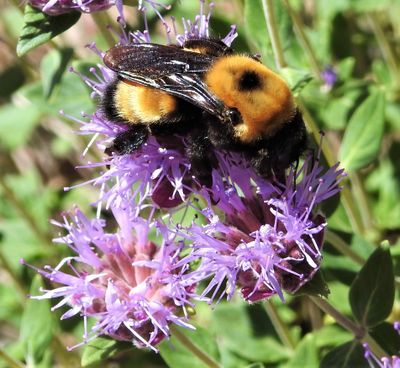
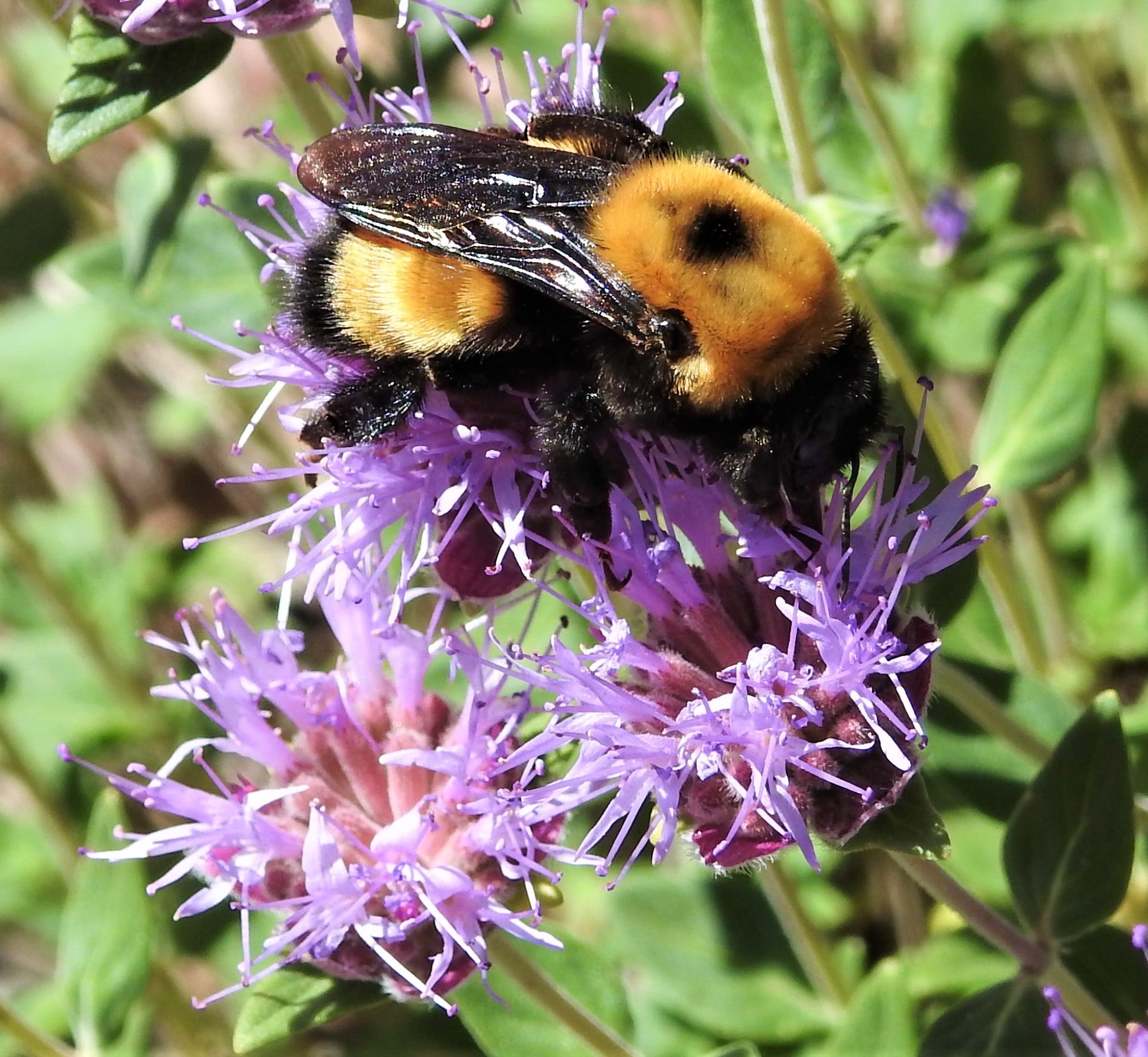
If you see a bumblebee buzzing around our region’s early-blooming flowers, it’s a queen. Roused by warming temperatures, she recently emerged from overwintering in a grape-sized hole in the ground to search for food and a site to build her colony.
“All bumblebees flying now are queens that have overwintered,” said entomologist David James of Washington State University, adding that the queen’s relatives from the previous colony died off last autumn and she is setting off to start a new one on her own.
This plump, fuzzy queen doesn’t reign over humans, but she’s worthy of a quick curtsy or head bow. Without her, there’d be no offspring, and without bumblebee offspring, we’d have fewer flowering plants and crops.
Bumblebees, the U.S. Fish and Wildlife Service says on its website, “are some of nature’s most efficient pollinators.” As if pollinating flowers weren’t enough, the bees are “especially important in the pollination of crops like tomatoes, peppers, melons and cranberries.”
Consider the bumblebee queen hovering around dandelions in your yard. Having mated late last summer, she’s a soon-to-be single mom who needs to fatten up before she lays her first brood of eggs, typically within two weeks of emerging from hibernation, according to the Xerces Society for Invertebrate Conservation.
Which means this is a critical time for the queen. Even though she needs a steady supply of nectar and pollen, common plant sources haven’t yet bloomed. Until then, she’ll focus on everything from dandelions and pussy willows to crabapple and chokecherry blossoms. She’ll also seek wet mud for hydration and minerals.
Besides foraging, the queen will construct a nest site to raise the next generation of bumblebees. Ideally, she’ll find a dark, dry cavity inside an empty rodent burrow or tree hollow, or a space beneath tufts of grass or a human-made shed. Then, using wax she secretes through specialized glands, she’ll build little pots to store nectar and pollen and eventually lay her eggs on top, according to the Xerces Society.
When the eggs hatch, the queen will feed the larvae until they become adults, said WSU entomologist Richard Zack. At that point, her female daughters – known as workers – will collect pollen and nectar as well. As the nest gets larger and the workers collect more food, the queen will lay more eggs that hatch into males and new queens, he explained. Eventually, the males will leave the nest to mate with new queens from other colonies.
As the queen’s colony grows, its members will be engaged in lots of nectar and pollen guzzling. To achieve this, bumblebees and only a small number of other bee species use a special buzzing technique to shake the pollen out of blossoms, Zack explained.
Thousands of flowering plant species, including tomatoes, blueberries and potatoes, keep their pollen stashed deep inside tubes called anthers. Using a technique called sonication, or buzz pollination, bumblebees latch onto these tubes with their jaws and vibrate their wing muscles hundreds of times a second, Zack said.
“This vibration shakes the anthers, and the pollen falls out onto the bumblebee,” he added.
After gathering the pollen in clumps on its legs, the bumble bee flies back to the colony and deposits it for the family larvae, he said. And talk about a win-win – “the plant also gets pollinated,” Zack said.
Considering that many plants and crops depend on their buzz, imagine how bland our landscapes and food would be without these big, beefy bumblebee queens out and about, trying to carry their genes to the next colony.
“Their presence is a sure sign that spring has come,” Zack said. “They do sting, but they are not aggressive, so just let them do their work and stand back and enjoy them.”
Long live the queen.