
The surprising reasons Japan’s streets stay clean without trash cans
TOKYO – The mileage my sneakers earned on my first full day in Tokyo was 12.4 miles, and impressively, some of my gum wrappers logged just as much.
As one of the world’s largest cities, Tokyo requires travelers to be out for hours at a time, and I carried each day’s garbage with me until I returned to my hotel at night.
Back at my hotel every night, I’d flip my tote bag upside down, and out came a flurry of konbini snacks, souvenirs, omamori (good luck charms from temples), along with empty gum wrappers, random receipts, crumpled tissues and perhaps an empty water bottle. This wasn’t by choice; there are so few public trash cans in Japan.
Over my four days in Tokyo, I never saw one trash can out on the street. I only found them in konbini (convenience stores), a few train stations and Yoyogi Park, a popular green space in the city center.
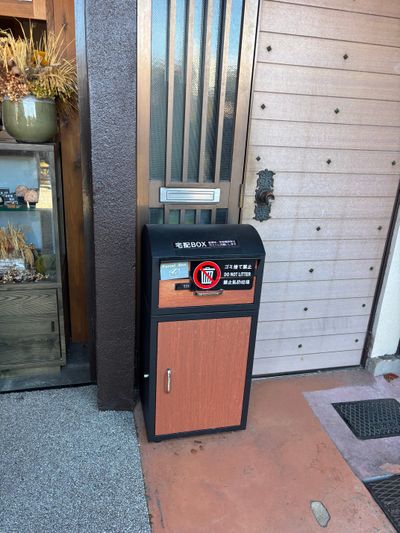
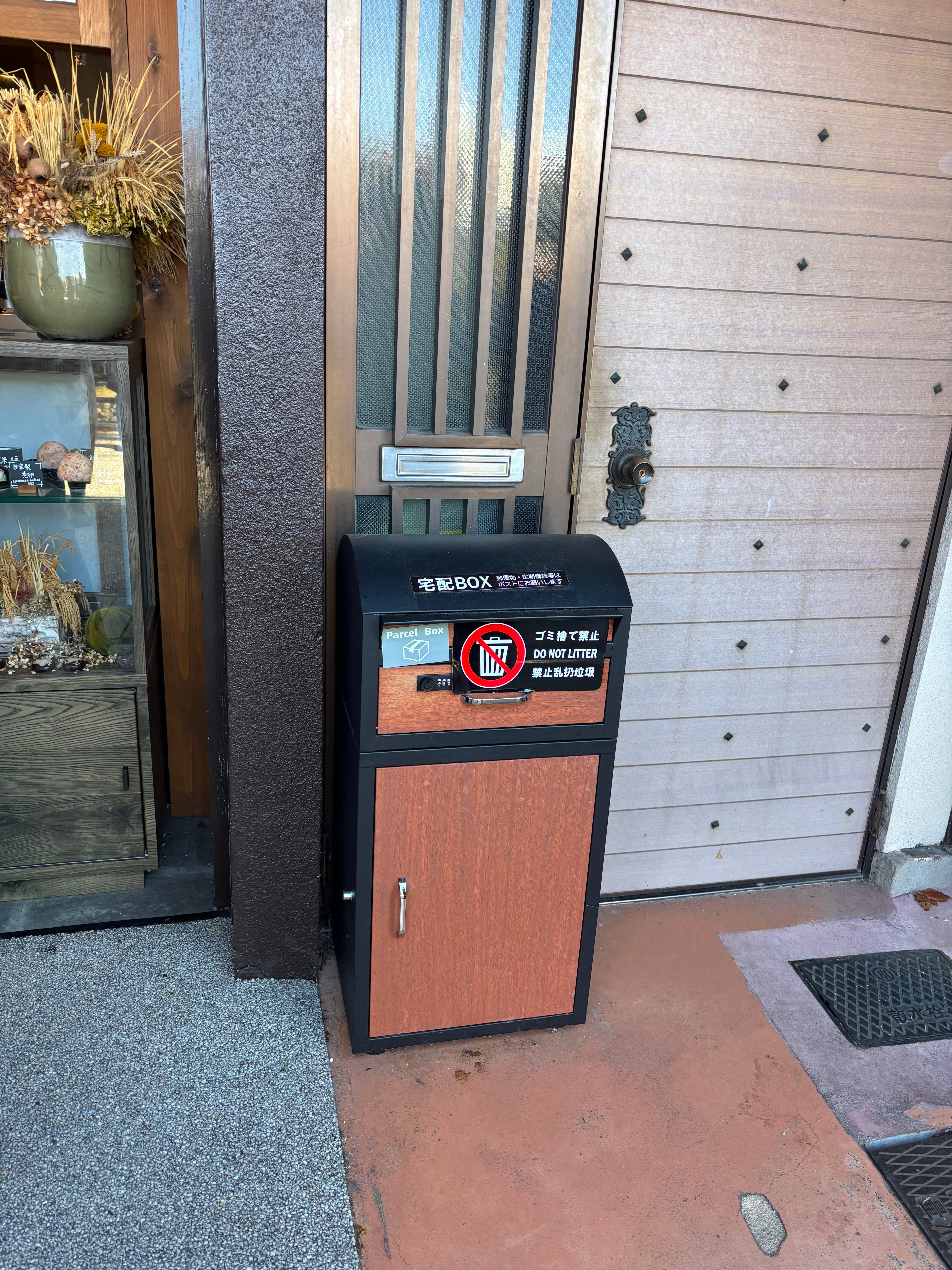
I soon left the city for the countryside, slow traveling through the Gifu Prefecture. At the Takayama morning market, where travelers can sample local delicacies such as beef nigiri sushi, I ran into the same issue. Looking to discard my wrapper and fork after finishing a baked sweet potato, I approached a bin before being stopped by a bright-red sign warning that it was for mail parcels and absolutely not for garbage. Apparently, I wasn’t the only tourist to make this mistake.
Although it was slightly annoying at times, I didn’t find the lack of trash cans in Japan to be a significant problem as long as I was mindful of what I ate and bought. However, some travelers struggle with it: 21.9% of 4,000 foreign visitors called it their biggest inconvenience in a 2025 Japan Tourism Agency survey. It was the leading complaint, followed by language barriers and overcrowding.
Here’s what travelers should know.
Why are there no public trash bins in Japan?
It wasn’t always like this. Trash bins were once common throughout Tokyo’s subway stations, but were removed by the train operators out of public safety concerns several years ago, according to Japanese media outlet The Asahi Shimbun. Discarded masks from the pandemic and past deadly incidents involving train stations may have influenced the decision, such as the 1995 sarin nerve gas packages left in Tokyo subway stations by a doomsday cult that killed 12 people while sickening thousands of others. About a decade later, in 2004, the Madrid Commuter Train Bombing – one of the deadliest terrorist attacks in Europe that left nearly 200 dead – raised concerns about trash cans in public spaces.
Besides safety, Japan’s cultural norms of cleanliness and orderliness also play a major role.
“Japan has a shortage of public trash cans due to security issues, budget cuts, and a strong sense of personal responsibility,” Michael Sheridan, visiting associate professor of tourism at Temple University, Japan Campus, told USA TODAY. “This often catches visitors off guard and can be a bit frustrating if they’re not prepared. However, many travelers recognize it as a reflection of Japan’s dedication to cleanliness and social responsibility, turning it into a memorable experience rather than just a hassle.”
Stemming from Buddhist and Shinto beliefs, Japanese culture values tidiness as a way of life. In restaurants, you’re given oshibori (wet towels) to clean your hands before eating. Upon entering a Shinto shrine, you wash your hands and mouth at a water basin with a ladle in a purification ritual called temizu.
It’s considered poor etiquette to eat or drink while walking or riding the train, eliminating the need to toss out trash such as food wrappers or containers on the street. Speaking of, even the streets in Japan are immaculate, and travelers in Tokyo’s crowded Shibuya neighborhood face a fine of 2,000 yen (about $12.75) for littering.
“From a tourism ethics perspective, the key takeaway for travelers is not that Japan is ‘inconvenient,’ but that they are entering an environment where maintaining cleanliness is understood as a collective responsibility, rather than merely a service provided for their convenience,” Sheridan added.
Still, in high-traffic areas like Shibuya, the shortage of trash cans has led to increased litter, mainly of food wrappers and to-go cups, according to Japan Today. In December, officials proposed that businesses install more trash cans or face a 50,000 yen (about $318) fee.
Tips for travelers
While public trash cans aren’t as common as in other cities, they still do exist. With a little strategy and mindfulness, travelers don’t need to worry about being stuck with their smelly food containers all day. Here are some tips:
- When buying a drink or food from a konbini or casual eatery, you’re expected to consume your food or drink there. I rarely saw people even walking around Tokyo with a coffee cup in hand. The business will have small trash bins for when you’re done, but please don’t put other trash in it.
- Part of Japan’s charm are the vending machines located on the streets, selling all sorts of beverages from ice-cold water to cans of actually hot coffee or tea. Most machines have an attached recycling bin for easy disposal.
- Bring a designated “trash bag” with you to dispose of back at your accommodations. I brought a small Ziploc bag to hold my chewed gum (sorry for the mental image). “By doing things like carrying a small plastic bag in their backpack, it allows them to take responsibility for their garbage and recyclables,” Sheridan said.