
Couples leaves Spokane life to serve as Mormon mission leaders in Tanzania
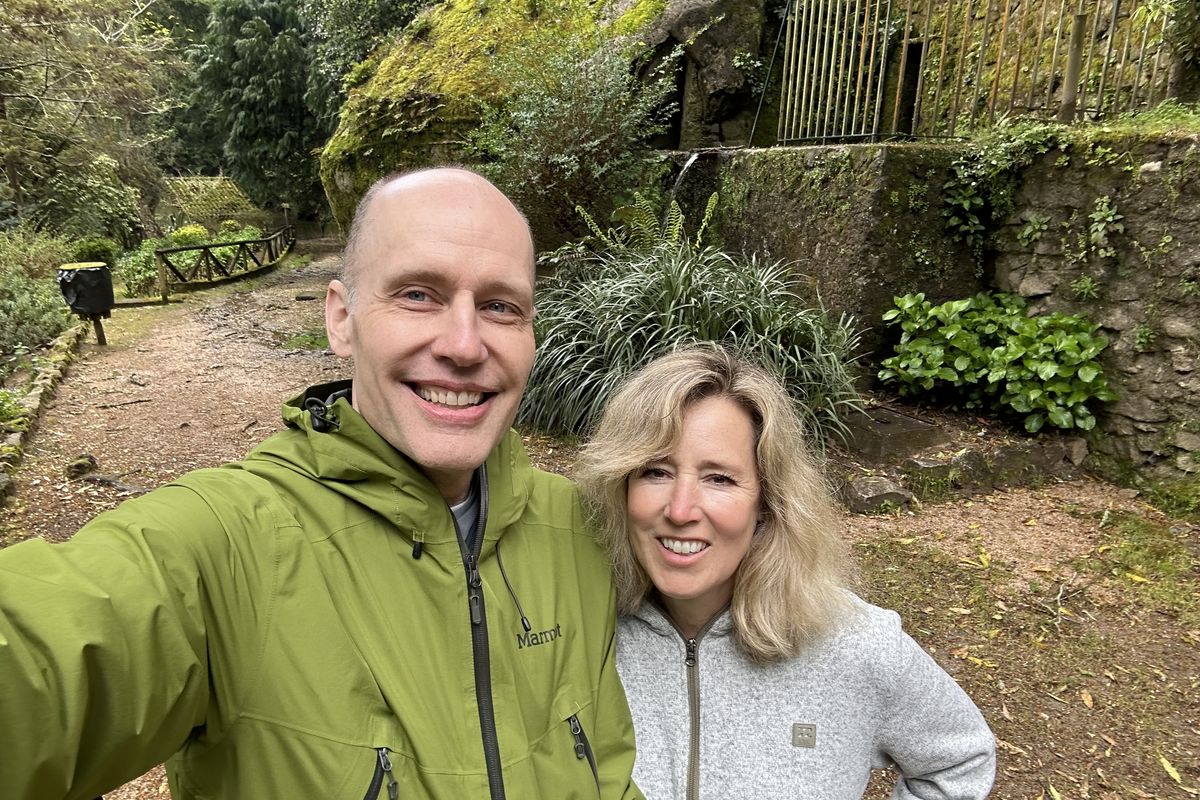
When Philip Huber started casually studying Swahili in 2019, he was just trying to get to the point where he could have a simple conversation. He and his wife, Alice, had recently become friends with several refugees from Africa, and he wanted to be able to communicate better with them. He never dreamed that it would go much beyond that.
But now, seven years later, Philip and Alice’s need to know Swahili has become much more urgent; the Hubers were recently called to serve as mission leaders in the Tanzania Dar es Salaam Mission for the Church of Jesus Christ of Latter-day Saints. Starting in July , they will be living full time in Tanzania, where they will remain until July 2029. They plan on coming back to the United States only for brief visits when their seven adult children go through major life events, like a college graduation, wedding or baby being born.
“The kids are very supportive, but there’s been some tears. It’s hard,” Alice said. All the kids are planning on coming to Tanzania for Christmas this year, but “whether that will work, we’ll see,” she said.
Leaving their children, their livelihood and comfortable life in Spokane is a sacrifice, but one the Hubers are willing to make.
“Everything good in my life goes back to Jesus Christ and what I’ve learned about him and his teachings,” Philip said. “I just feel such an indebtedness and such gratitude for those things.”
The Hubers, Spokane residents for the past 22 years, say they feel honored to be able to live in Tanzania and get to know the people who live there. Through their associations with the refugee population in Spokane, they have come to love and deeply respect their African friends, both in Spokane and around the world.
“We just couldn’t love them more,” Alice said. “I just think they’re the warmest, kindest, most faith-filled people I’ve ever met.”
Serving as mission leaders is an opportunity they never saw coming. But last November , when they were asked by Elder Dale Renlund, an apostle in the Church of Jesus Christ of Latter-day Saints, if they would be willing to serve, they didn’t hesitate.
“We had decided years ago … if the church ever needed us or wanted us to do anything, we would go do it,” Alice said. “We didn’t need to discuss it.”
Worldwide, there are 506 missions operated by the Church of Jesus Christ of Latter-day Saints. As mission leaders, the Hubers will be assisting missionaries in spreading the gospel of Jesus Christ, as well as helping and supporting the members of the church in Tanzania.
It will be a massive job. The Dar es Salaam Mission covers the entire country of Tanzania, an area roughly 40% larger than Texas with a population of more than 70 million people. There are currently about 34 congregations and 5,000 members of the church throughout the country. The Hubers will be traveling through the whole mission every six weeks as they train, assist and work with missionaries and church members.
“They actually did tell us to make sure we’re in really good shape, because it’s really physically demanding,” Alice said.
At any one time, the Hubers will be working with about 170 missionaries, at least 70% of whom are from Africa. Alice is fluent in French from her previous missionary service in Switzerland when she was in her 20s. Since so many of their missionaries will be coming from French-speaking African countries, she expects that her language abilities will be put to good use.
And then there’s the matter of learning Swahili. Since receiving their call as mission leaders, both Philip and Alice have ramped up their studies. They meet twice a week with an online language tutor and study Duolingo daily.
“Every day going to work, I’ve got Swahili going in the car,” Philip said. “I feel like I just need to be able to communicate with them.”
Aside from the herculean task of learning Swahili, the Hubers have many other tasks to cross off their to-do list before they leave for Tanzania this summer.
By mid-March, they need to have things ready to ship over to Tanzania – everything from family pictures to an exercise bike to a three-year supply of deodorant. They need to move their personal belongings into storage and prepare their home for friends who will be renting it for the next three years. And there are about “a million” doctor and dentist appointments to see to before they go, Alice said.
Philip is an interventional cardiologist at Providence Heart Institute in Spokane. While his colleagues were surprised to hear that he would be setting aside his career for three years to serve as a volunteer mission leader, “they were all very supportive,” Philip said. “They’ve been wonderful. His colleagues assured him that his job will be waiting for him when he returns in 2029.
“I feel like I have a lot I can still contribute in medicine … I just feel like sometimes there are other things in life,” Philip said. “It’s OK if we learn to sacrifice in terms of thinking about others instead of ourselves.”
The Hubers have seen sacrifice in action as they’ve worked with the African refugee population in Spokane.
“They come from hard circumstances. They worked so long and hard to get here (and) waited so long,” Alice said. “What they bring to our community has enriched our lives so much – this wonderful, warm culture … They make Spokane a better place.”
Alice has a favorite saying: We think that we understand someone else’s story – until we get to know them and realize we don’t.
The Hubers are looking forward to getting to know the people of Tanzania. They already have a few friends in place – family members of some of their friends here in Spokane. One of them offered to pick them up from the airport when they arrive in Dar es Salaam.
“We are in love with the people and culture,” Alice said. “We’re honored to live amongst these people and get to better understand them and share what we know … and learn from them as well.”
Philip agrees. “We need to extend compassion and forgiveness and love to others around us,” he said. “We can give mercy freely to others in different ways, and we can give love freely to others. This (mission) gives us an opportunity to do that to sweet people in a wonderful culture.”