
Gardening: Amendments help provide nutrients, water capacity for soil
Last week I talked about the practicalities of using animal manures as a soil amendment. This week I want to talk about a few other common soil amendments like compost, peat moss and coir fiber.
Compost is like animal manures as a soil amendment in that it adds organic material, supports bacteria that break down organic material into nutrients for the plants and improves soil structure. It can hold five to 10 times its weight of water in the soil.
Compost is easy to make at home with garden trimmings, cut lawn grass, shredded leaves and pine needles and seedless weeds. In an unused corner of the garden, set up wire fencing or old pallets to make a box that is then filled with garden debris. Keep the pile moist as a wrung-out sponge and turn it every few months – or not – to help the bacteria break down the material. When most of material is unrecognizable, it’s ready to use.
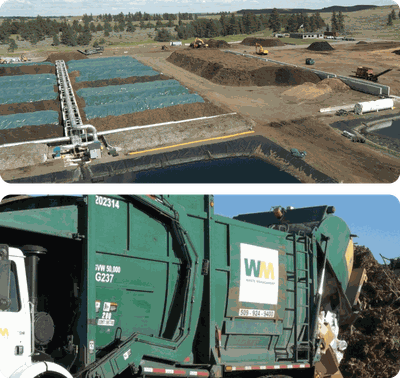
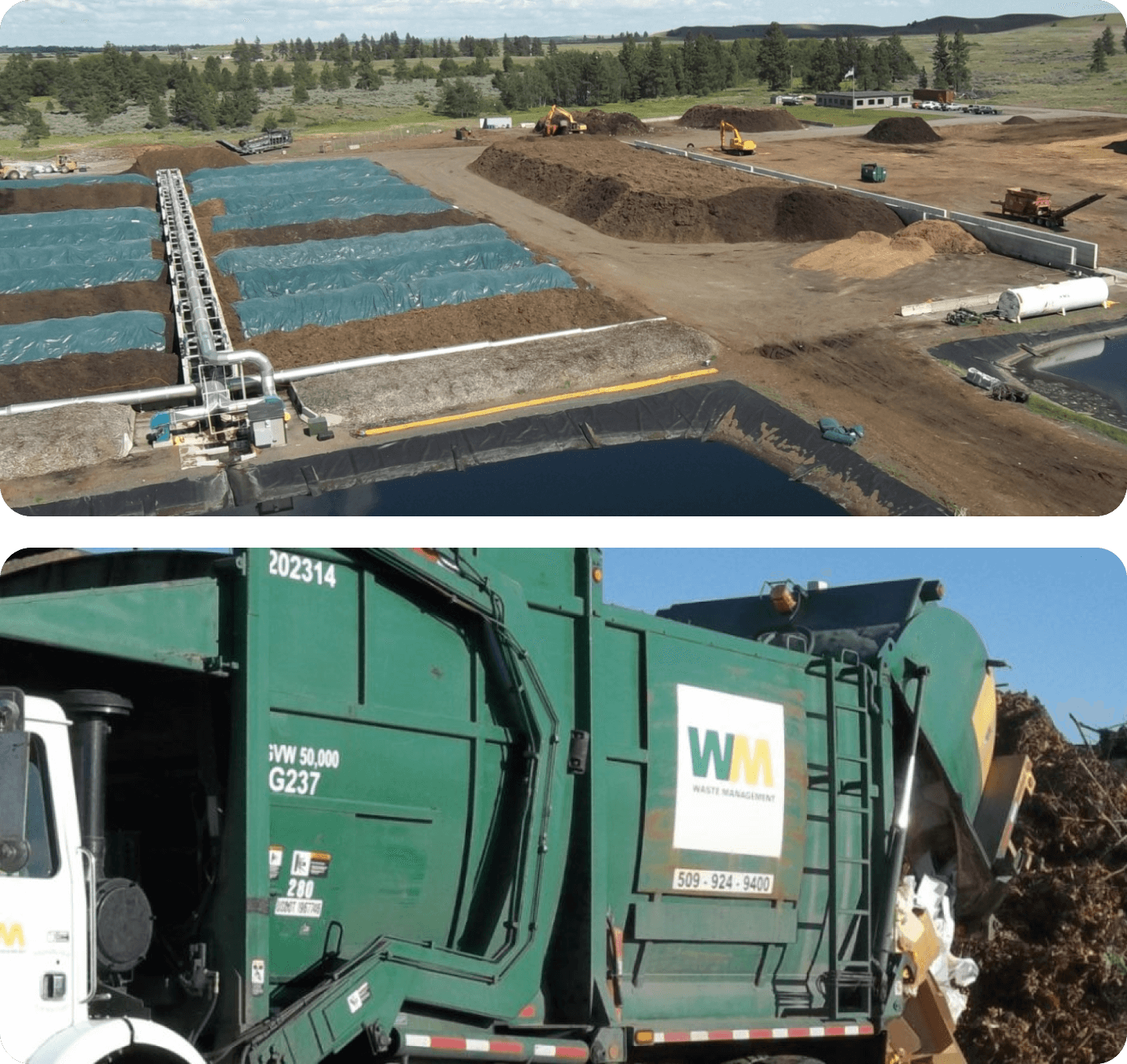
Home compost piles often don’t supply enough material for large projects so it might be necessary to buy commercially made compost from a soil supplier or by the sack from the garden center. Locally our best source of compost is produced by Barr-Tech at their Four Lakes facility west of Spokane. Barr-Tech takes the waste from our clean green programs, grinds it and then aerates the piles to speed up the decomposition process. The material is then sold in bulk to local soil suppliers and sold by the cubic yard. Bagged material is available at Broadway Landscape Supply.
My favorite way of getting blended soil for filling raised beds is to order a blend of Barr-Tech compost and whatever the soil supplier calls their garden blend. I have it mixed in alternating scoops of compost and soil blend into the truck to start the mixing process, When the truck dumps the load, the material mixes more and is ready to put in place.
Peat moss has long been used as a soil amendment but there is much debate about its use as it harvested from peat bogs in Canada and the U.S. that have taken thousands of years to develop and do not quickly regrow. It does a good job of retaining water and creating an open soil structure. However, using peat moss comes with a major caveat; it is hydrophilic and once it dries out it is very difficult to rehydrate. It can be a problem in containers when they dry out during our hot summer months. If you use it, mix it into the soil well and watch your watering.
Coir fiber is a better alternative to peat moss. It is not hydrophilic and readily absorbs water when dry. Secondly, it is a sustainable byproduct of coconut processing in the tropics. As long as we harvest coconuts, there will be coir fiber. It normally comes as a compressed brick which when moistened, expands considerably in volume. This makes it easy to handle, transport and store in the garden shed.