
Spokane Valley Heritage Museum exhibit highlights the 1960s, from the moon landing to Civil Rights
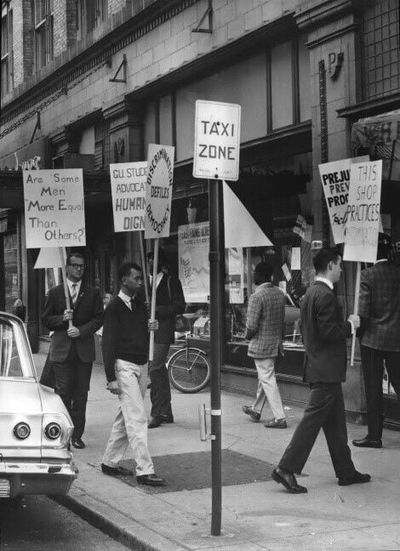
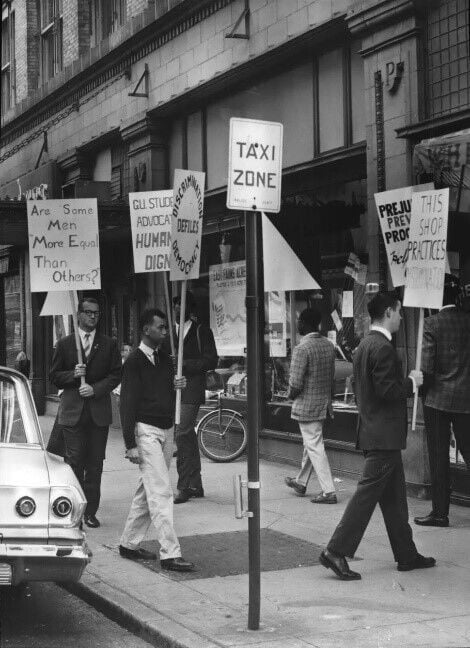
Spokane Valley Heritage Museum is going back in time with its latest exhibit, “The 1960s: Change, Chaos & Culture.”
The exhibit focuses on the social, political and cultural upheaval that defines the 1960s era.
The inspiration behind this exhibit was “striking parallels between the ’60s and now” said Jayne Singleton, director of the Spokane Valley Heritage Museum.
The exhibit highlights major events that shaped the decade and continues to influence society today.
Singleton said the exhibit gives attendees an opportunity to look at history and compare it to what this country is experiencing today to understand if the history is repeating itself.
Some of the featured events in the exhibit are the Apollo 11 moon landing, the Vietnam War, the Civil Rights movement and the Summer of Love.
The exhibit includes connections to the Spokane community as well, such as John F. Kennedy’s visit to the city during his campaign for U.S. president.
According to the museum’s director, the interactive features of the moon landing display make the experience especially engaging for younger visitors.
“Younger students find it very cool that we went to the moon, because the exhibit is interactive,” the Singleton said. “It is very interactive, because they can hear the sounds of the Saturn V rocket, the actual sound. They can push a button and hear what it sounded like, and it is loud.”
The exhibit was the result of careful planning by the museum’s board. The museum operates as a nonprofit organization and hosts exhibits and community events throughout the year.
“Immerse yourself in the 1960s, what was happening and what was changing in the political and social world,” the director said. “Come learn about who was significant and make your own determination about how you feel now. We present the facts and ask visitors to form their own opinions.”
Museum admission is $7 for adults, $6 for seniors 55 and up and $4 for retired military and students ages 7 to 17. Active military members are free and kids younger than 7 are free, although these exhibits are not recommended for younger children.